
Malawi Travel Tips: Exploring the Warm Heart of Africa Affordably
Malawi, often hailed as the "Warm Heart of Africa," offers an incredible blend of stunning natural beauty, vibrant culture, and friendly locals. For budget-conscious travelers, this captivating land promises an enriching adventure that won't break the bank, especially with smart planning and local insights.
Why Malawi is Perfect for Affordable Travel
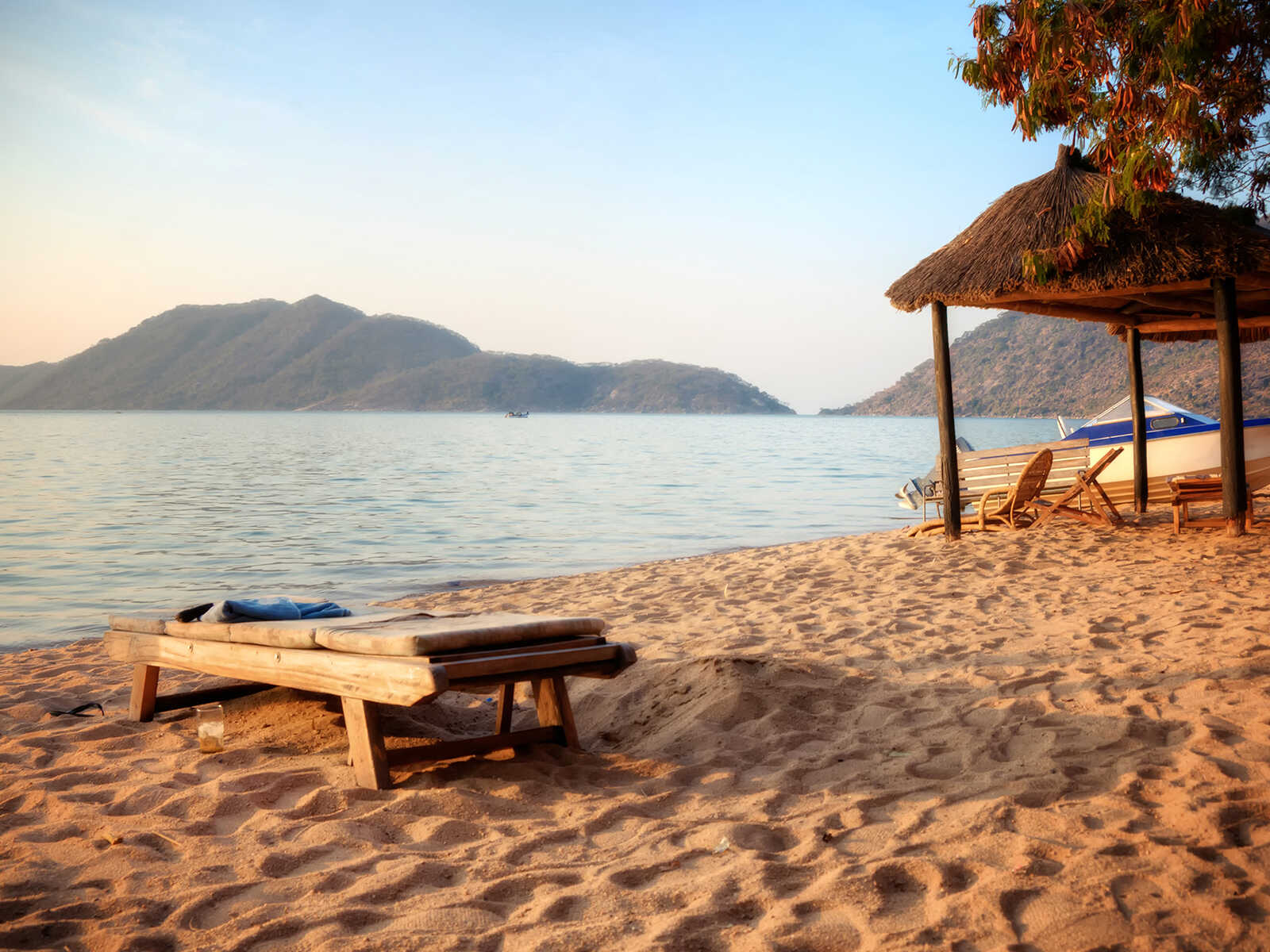
Malawi might not be as famous as some of its East African neighbors for safari, but it boasts the magnificent Lake Malawi National Park, a UNESCO World Heritage site, offering crystal-clear waters, diverse cichlid fish, and endless aquatic adventures. Beyond the lake, you'll find dramatic highlands, lush national parks, and a welcoming population eager to share their country. Its relatively undeveloped tourism infrastructure means prices for accommodation, food, and transport are generally lower than in many other African destinations, making it an ideal choice for an authentic and economical journey.
Getting There and Around Malawi
International Travel to Malawi
Most international flights arrive at Lilongwe (LLW) or Blantyre (BLZ). Booking flights in advance and being flexible with your travel dates can help secure better fares. Consider flying into a neighboring country like Zambia or Tanzania and taking an overland bus or local flight for a potentially cheaper route, though direct flights are often more convenient.
Local Transportation
- Minibuses & Shared Taxis:These are the backbone of Malawian public transport – incredibly affordable but often crowded. They operate on a 'full-up' basis, meaning they depart once all seats are taken. Be prepared for a lively experience!
- Buses:Long-distance buses offer a more comfortable (though still budget-friendly) option for inter-city travel. Services like AXA or National Bus Service connect major towns.
- Bicycle Taxis & Walking:For short distances within towns or villages, bicycle taxis are common and very cheap. Walking is also a great way to explore local areas and interact with people.
- Boats on Lake Malawi:The historic MV Ilala ferry travels the length of Lake Malawi, stopping at various points like Chintheche and Mangochi. It’s a unique, slow-paced way to see the lake and its coastal communities, though scheduling can be unpredictable.
Travel Tip:Embrace the local transport! While it might take longer, it's an unparalleled way to experience Malawian life and save money. Always agree on a fare for shared taxis before starting your journey, if applicable.
Accommodation Options for Every Budget
Malawi offers a range of accommodation, from basic guesthouses to luxury lodges. For budget travelers, several excellent options exist:
- Guesthouses & Lodges:Found in most towns and tourist areas, these often provide clean rooms with basic amenities at reasonable prices. Many include breakfast.
- Hostels:While not as prevalent as in some Western countries, a growing number of backpacker hostels offer dorm beds and private rooms, particularly around Lake Malawi and major cities.
- Camping:Many lodges and national parks offer designated camping areas, which can be a very economical choice if you have your own gear. Sites like those in Liwonde National Park or near Mulanje Massif offer stunning natural settings.
- Community Stays:Some villages offer homestay opportunities, providing an immersive cultural experience and directly supporting local communities.
Savoring Malawi: Food & Drink Affordably
Malawian cuisine is hearty and delicious, and eating locally is incredibly budget-friendly.
- Nshima:The staple food, a thick porridge made from maize flour, served with a relish of fish (often chambo from Lake Malawi), meat, or vegetables. It's filling and very cheap.
- Local Markets:Explore vibrant markets for fresh fruits (mangoes, bananas, pineapples), vegetables, and snacks. It's an experience in itself and perfect for self-catering if your accommodation allows.
- Street Food:Grilled maize, mandasi (sweet fried dough), and roasted groundnuts are popular and cheap snacks.
- Restaurants:Local eateries offer generous portions of traditional food at low prices. Tourist-oriented restaurants will be more expensive but still generally affordable by international standards.
- Drinks:Local soft drinks, bottled water, and affordable local beers (like Carlsberg Malawi) are widely available.
Activities & Experiences on a Budget
Malawi's natural beauty and cultural richness provide endless affordable activities.
Lake Malawi Adventures
The jewel of Malawi,Lake Malawi National Park offers fantastic snorkeling and swimming. Many lakeside lodges offer free access to their beaches, and you can rent snorkeling gear or kayaks for a small fee. Taking a local dugout canoe trip with a fisherman can be a memorable and inexpensive experience.
Hiking and Nature Exploration
- Mulanje Massif:Hike Africa's third-highest peak, offering stunning views and a network of huts for overnight stays. You can hire local guides and porters for a reasonable daily rate.
- Zomba Plateau:Enjoy cool temperatures, forest walks, and panoramic views over the surrounding plains. There are numerous trails suitable for day hikes.
- National Parks:While safari park entry fees exist, many parks offer walking safaris (with a ranger) or self-drive options which can be more economical than guided game drives. Consider Liwonde National Park or Majete Wildlife Reserve for wildlife viewing, or the vast, high-altitude grasslands of Nyika National Park for unique landscapes and wildlife.
Cultural Immersion
- Village Visits:Many communities welcome visitors. Participate in daily life, learn local crafts, or simply interact with locals. Always be respectful and consider offering a small donation or purchasing local goods.
- Craft Markets:Explore markets in places like Dedza, known for its pottery, or along the lakeshore for carvings and textiles. Haggling is expected!
- Malape Pillars:Visit the intriguing Malape Pillars, naturally formed sandstone formations near Liwonde, offering a unique geological spectacle and photographic opportunities.
Health & Safety Essentials
Preparation is key for a smooth trip:
- Vaccinations:Consult your doctor for recommended vaccinations (e.g., Yellow Fever, Typhoid, Hepatitis A/B) and malaria prophylaxis.
- Water:Drink only bottled or purified water. Avoid tap water and ice made from it.
- Sun Protection:The African sun is strong. Use high-SPF sunscreen, wear a hat, and seek shade.
- Personal Safety:Malawi is generally safe, but common-sense precautions apply. Avoid walking alone at night, especially in urban areas. Keep valuables out of sight.
- Travel Insurance:Always travel with comprehensive travel insurance that covers medical emergencies and evacuations.
Money Matters & Budgeting
The local currency is the Malawian Kwacha (MWK). While credit cards are accepted in some larger hotels and supermarkets, cash is king, especially in rural areas and for local transport/markets.
- ATMs:Available in major towns like Lilongwe, Blantyre, and Mzuzu. Inform your bank of your travel plans to avoid card blocks.
- Budgeting:Focus on local eateries, public transport, and self-catering where possible. Embrace bargaining in markets.
Cultural Etiquette & Local Interactions
Malawians are renowned for their friendliness. A few tips for positive interactions:
- Greetings:Always greet people, especially before asking a question or making a request. "Muli bwanji?" (How are you?) is a good start.
- Dress Code:Dress modestly, especially in rural areas. For women, this often means covering knees and shoulders.
- Photography:Always ask permission before taking photos of people.
- Bargaining:It's common in markets, but do so respectfully and with a smile.
Best Time to Visit Malawi
Malawi has distinct wet and dry seasons:
- Dry Season (May to October):This is generally considered the best time for travel. Temperatures are milder, humidity is lower, and wildlife viewing is excellent as animals congregate around water sources. It's also ideal for hiking Mulanje Massif.
- Wet Season (November to April):Characterized by lush landscapes, fewer tourists, and excellent birdwatching. Some roads, especially in rural areas and national parks, can become challenging to navigate.
Packing Smart for Malawi
Pack light and practically:
- Clothing:Lightweight, breathable clothing for warm weather. A light jacket or sweater for cooler evenings, especially in highlands like Zomba Plateau.
- Footwear:Comfortable walking shoes, sandals, and perhaps hiking boots if planning serious treks.
- Essentials:Sunscreen, insect repellent, a wide-brimmed hat, sunglasses, a reusable water bottle, and a basic first-aid kit.
- Power Bank:For charging devices, as power outages can occur.
Leaving a Positive Footprint
Responsible tourism helps preserve Malawi's beauty and supports its people:
- Support Local:Buy local crafts, eat at local restaurants, and use local guides.
- Minimize Waste:Carry out what you carry in, especially plastics.
- Respect Wildlife:Maintain a respectful distance and follow park rules.
- Cultural Sensitivity:Be mindful of local customs and traditions.
Malawi offers an unforgettable African experience that is both deeply rewarding and surprisingly accessible for budget travelers. By embracing local culture, utilizing local transport, and savoring its natural wonders, you can truly explore the Warm Heart of Africa without overspending.