
Malawi Through the Seasons: What to Expect Year-Round
Malawi, the "Warm Heart of Africa," offers a diverse range of experiences throughout the year, each shaped by its distinct seasons. Understanding these climatic shifts is key to planning your perfect Malawian adventure, whether you're chasing wildlife, exploring the shores of Lake Malawi, or hiking rugged mountains.
The Dry Season: May to October
Often considered the prime time to visit, Malawi's dry season is characterized by clear skies, minimal rainfall, and generally comfortable temperatures. This period is ideal for wildlife viewing, hiking, and enjoying the country's magnificent lake.
Weather & Climate
From May to August, temperatures are cooler and more pleasant, particularly in the evenings and at higher altitudes like the Nyika National Park or the Zomba Plateau. Daytime temperatures typically range from 20-25°C (68-77°F). As the season progresses into September and October, it becomes significantly hotter, especially in low-lying areas and around Lake Malawi, where temperatures can soar above 30°C (86°F).
Wildlife Viewing
The dry season is undoubtedly the best time for wildlife safaris. As water sources diminish, animals congregate around remaining rivers and waterholes, making them easier to spot. The sparse vegetation also improves visibility.Liwonde National Park, with its Shire River, becomes a hotspot for elephants, hippos, and crocodiles. Similarly,Majete Wildlife Reserve offers incredible opportunities to see the Big Five in a thriving ecosystem.
Tip:Even during the dry season, evenings and early mornings can be cool, especially on safari. Pack layers!
Activities & Experiences
- Safaris:Excellent conditions for game drives and walking safaris in parks like Liwonde and Majete.
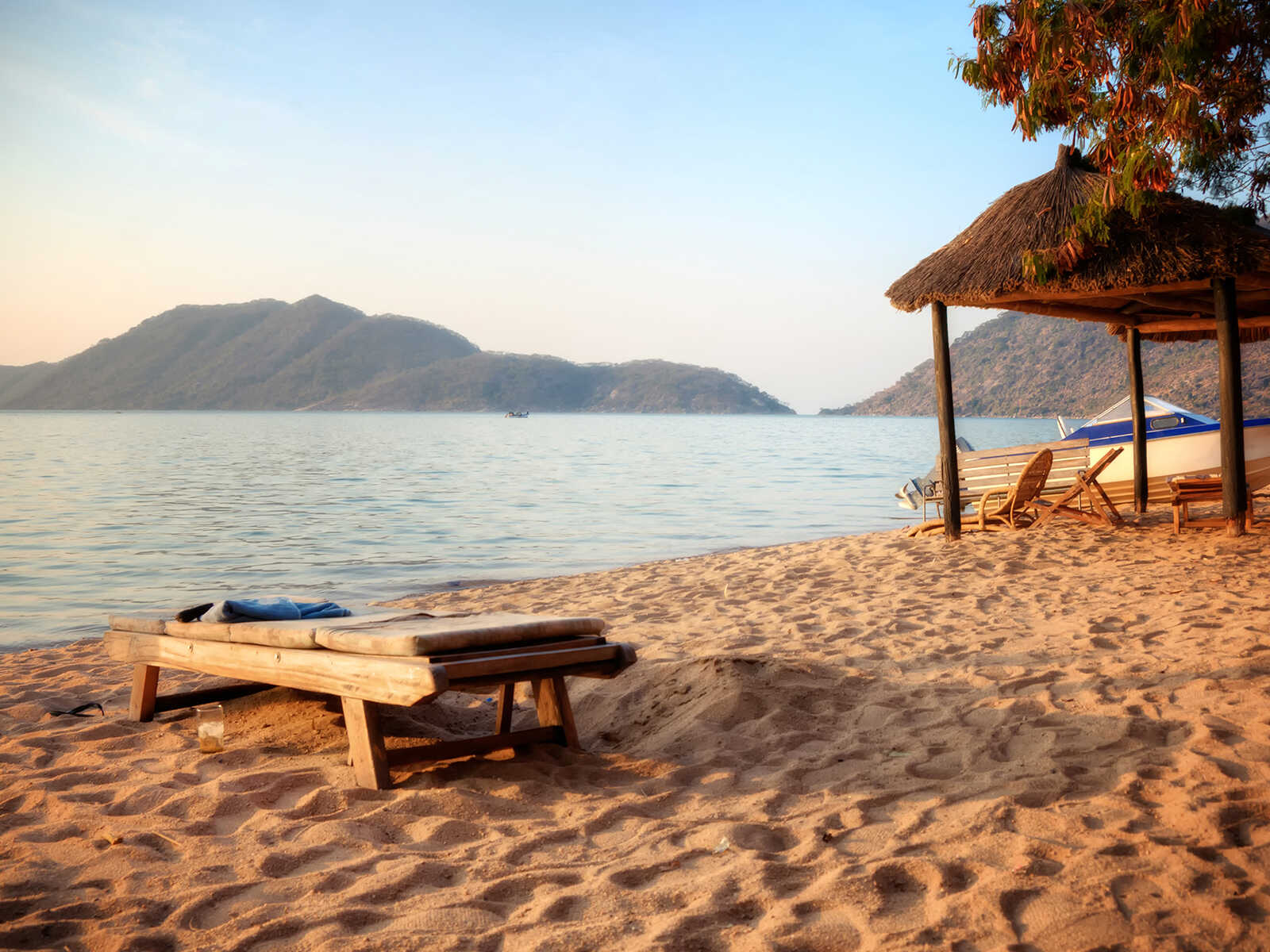
- Lake Malawi:Perfect for swimming, snorkeling, diving, kayaking, and sailing. The waters are clear and calm, and the beaches around Chintheche,Mangochi, and within Lake Malawi National Park are inviting.
- Trekking & Hiking:Ideal conditions for exploring the majestic Mulanje Massif or the cooler trails of the Nyika National Park and Zomba Plateau.
- Cultural Experiences:Easier travel to villages and markets, including those around Dedza, known for its pottery.
Travel Considerations
This is peak tourist season, especially from July to September. Accommodation, particularly in popular safari lodges and lake resorts, can book up quickly, so advance reservations are highly recommended. Road conditions are generally good, making travel across the country relatively straightforward.
The Wet Season: November to April
The wet season transforms Malawi into a lush, vibrant green landscape, offering a different, yet equally captivating, experience. While some activities might be affected by rain, this period is a paradise for birdwatchers and those seeking a more secluded adventure.
Weather & Climate
Beginning in November, the first rains arrive, often in the form of dramatic afternoon thunderstorms. Temperatures are generally hotter and more humid than in the dry season, especially in the lowlands. Daytime highs can range from 25-35°C (77-95°F). The heaviest rains typically fall from January to March, making some rural roads challenging or impassable.
Wildlife Viewing
Wildlife viewing can be more challenging as animals disperse with abundant water and food, and the dense vegetation provides excellent cover. However, this season brings its own rewards: new births are common, offering heartwarming sights of young animals. More importantly, the wet season is a spectacular time for birdwatching, as migratory birds arrive in their thousands, displaying vibrant breeding plumage. Parks like Liwonde become a birdwatcher's paradise.
Fun Fact:Malawi is home to over 650 bird species, many of which are migratory visitors, making the wet season a prime time for ornithologists and enthusiasts.
Activities & Experiences
- Birdwatching:Unparalleled opportunities to spot a vast array of resident and migratory birds.
- Photography:The landscapes are incredibly scenic, with dramatic skies, lush greenery, and sparkling rivers, perfect for capturing stunning photographs.
- Cultural Immersion:Engage with local communities as daily life continues, perhaps witnessing traditional farming practices.
- Lake Malawi:While thunderstorms can occur, many days are still sunny, and the lake remains beautiful. You'll find fewer crowds and often more relaxed atmospheres at resorts.
- Unique Geological Sites:Explore sites like the Malape Pillars, where the dramatic skies can enhance the viewing experience.
Travel Considerations
This is the low season for tourism, meaning fewer crowds and potentially lower prices for accommodation and activities. However, some remote camps and lodges may close during the peak rainy months (January-March). Be prepared for potential delays due to muddy roads, especially if self-driving. A 4x4 vehicle is highly recommended for exploring national parks and rural areas. Mosquitoes are more prevalent, so strong insect repellent and prophylaxis are essential.
Shoulder Seasons: Transitioning Between Wet and Dry
The months of November and April can be considered shoulder seasons, offering a blend of both worlds.
- November:The "short rains" begin, greening the landscape but usually before heavy downpours. It's hot and humid, but migratory birds start arriving, and wildlife is still relatively visible before full dispersal.
- April:The rains are tapering off, leaving behind a verdant landscape. Temperatures are starting to cool, and wildlife visibility improves as water sources begin to recede. It's a great time to experience a lush Malawi without the peak season crowds.
Choosing Your Perfect Malawi Trip
Ultimately, the "best" time to visit Malawi depends on your priorities:
- Forprime wildlife viewing, hiking, and guaranteed sunshine, thedry season (May-October)is ideal.
- Forbirdwatching, lush landscapes, fewer crowds, and a more authentic, off-the-beaten-path feel, thewet season (November-April)holds immense appeal.
Regardless of when you choose to go, Malawi promises a warm welcome and an unforgettable African adventure, adapting its charm to the rhythm of its seasons.