
Hiking the Mulanje Massif: Trails, Guides, and Essential Tips
Dominating the southern landscape of Malawi, the Mulanje Massif is an isolated granite behemoth, offering some of Africa’s most exhilarating and unique hiking experiences. A true natural wonder, this "Island in the Sky" beckons adventurers with its dramatic peaks, lush forests, and rich biodiversity.
Embarking on a Mulanje trek is an unforgettable journey into Malawi's heart, promising breathtaking vistas and a deep connection with nature. This guide provides all the essential information you need to plan a safe, responsible, and rewarding adventure on this magnificent mountain.
Discovering the Mulanje Massif
The Mulanje Massif is not just a mountain; it’s a vast island of rock rising abruptly from the surrounding plains, covering an area of approximately 650 square kilometers. Its highest point, Sapitwa Peak, soars to 3,002 meters (9,849 feet), making it the highest peak in south-central Africa. The massif boasts a unique ecosystem, home to endemic flora like the Mulanje Cedar and diverse wildlife, including rare birds and butterflies.
The name "Sapitwa" translates to "don't go there" or "it's not for you," a local legend warning of its mystical and challenging nature. It truly embodies the spirit of adventure for those who dare.
The mountain's slopes are crisscrossed with numerous trails, leading through varied landscapes – from dense montane forests and cascading waterfalls to open grasslands and rocky outcrops. A network of basic but well-maintained mountain huts provides shelter for multi-day trekkers, making a multi-day expedition a comfortable possibility.
Planning Your Mulanje Trek
Careful planning is crucial for a successful and enjoyable Mulanje adventure. Here’s what you need to consider:
Best Time to Hike
The dry season, typically fromMay to October, is generally considered the best time for hiking. During these months, trails are drier, rivers are easier to cross, and the skies are often clear, offering spectacular views. The wet season (November to April) brings lush greenery and fewer crowds, but also challenging muddy trails, swollen rivers, and the risk of heavy rainfall and thick fog, particularly at higher altitudes.
Duration of Hikes
Mulanje offers options for all levels of hikers:
- Day Hikes:Shorter trails from base camps like Likhubula or Chitakale lead to waterfalls, natural pools (like Dziwe la Nkhalamba), or lower peaks, typically lasting 4-8 hours.
- Multi-Day Treks:The most popular way to experience the massif, these range from 2 to 7 days, allowing exploration of different peaks, valleys, and huts. A common itinerary is 3 days/2 nights, often including a summit attempt on Sapitwa or other prominent peaks.
Permits and Fees
All hikers are required to register and pay conservation fees, typically at the Mulanje Mountain Conservation Trust (MMCT) office in Mulanje town or at the Likhubula Forest Office. These fees contribute to trail maintenance, hut upkeep, and conservation efforts. You will also need to pay for guides and porters.
Accommodation on the Mountain
A network of 10 mountain huts is maintained by the MMCT. These are basic, offering shelter, bunk beds (bring your own sleeping bag and mat), and often a fireplace. They do not have electricity or running water, so be prepared for rustic living. Booking huts in advance, especially during peak season, is highly recommended.
Choosing Your Trail
With numerous trails winding across the massif, you can tailor your adventure to your fitness level and desired experience. Here are some popular starting points and routes:
Popular Starting Points
- Likhubula:The most common entry point, offering access to trails leading to Sapitwa, Lichenya, and Chambe Huts. It has a well-established forest office and local guide services.
- Chitakale:Another popular access point, particularly for routes towards Thuchila and the eastern side of the massif.
- Mulanje Town:Direct access to some trails, and the main hub for arranging guides and permits.
Notable Trails and Destinations
- Sapitwa Peak Ascent:The ultimate challenge, reaching Malawi’s highest point. This is a strenuous climb, often requiring scrambling and some rock climbing, best undertaken with an experienced guide and good weather. Typically part of a multi-day trek.
- Chambe Basin:A popular and rewarding destination, known for its dramatic rock faces and views. The trail to Chambe Hut is moderate and offers a good introduction to Mulanje hiking.
- Lichenya Plateau:Offers stunning panoramic views, rolling grasslands, and access to unique rock formations. The hut here is often a favorite.
- Thuchila Peak and Hut:Known for its beautiful cedar forests and relatively gentler slopes compared to some other routes, offering a more serene hiking experience.
The Importance of a Local Guide and Porters
Hiking Mulanje without an experienced local guide is strongly discouraged, and in some areas, even prohibited. These guides are invaluable for several reasons:
- Safety:They possess intimate knowledge of the trails, weather patterns, and potential hazards, ensuring your safety in an often-unpredictable environment.
- Navigation:Trails can be faint, especially after rain or in fog. Guides are experts at finding routes and preventing hikers from getting lost.
- Local Insight:They share fascinating insights into the mountain's flora, fauna, geology, and the local culture of the Lhomwe people, enriching your experience.
- Economic Support:Hiring local guides and porters directly supports the communities living around the massif, providing vital income.
Portersare also highly recommended, especially for multi-day treks. They carry your heavier gear, allowing you to hike with a lighter daypack and enjoy the scenery more. They are integral to the Mulanje hiking experience.
Always hire registered guides and porters through official channels like the MMCT office or reputable tour operators. This ensures fair wages and proper safety standards for both you and the local staff.
Essential Gear and Packing List
Be prepared for varied weather conditions and terrain. Here’s a comprehensive packing list:
- Footwear:Sturdy, broken-in hiking boots with good ankle support.
- Clothing:Layers are key!
- Moisture-wicking base layers.
- Warm mid-layers (fleece or down).
- Waterproof and windproof outer shell jacket and trousers.
- Spare socks.
- Sleeping Gear:Warm sleeping bag (rated to 0°C/32°F or below) and a sleeping mat (for hut stays).
- Food & Water:
- Plenty of non-perishable food for the duration of your trek.
- Water bottles or hydration reservoir (at least 2-3 liters capacity).
- Water purification tablets or a filter.
- Navigation:Map of Mulanje (available locally), compass, and a fully charged GPS device/phone with offline maps (as a backup to your guide).
- Safety & First Aid:
- Comprehensive first-aid kit, including blister treatment and personal medications.
- Headlamp or flashlight with spare batteries.
- Whistle and emergency blanket.
- Other Essentials:
- Small backpack (daypack) for daily essentials.
- Larger backpack for multi-day gear (if not using a porter).
- Sunscreen, sunglasses, and a wide-brimmed hat.
- Insect repellent.
- Toiletries (biodegradable soap recommended).
- Trash bags (pack out everything you pack in).
- Power bank for charging devices.
Safety on the Mountain
While Mulanje is a magnificent destination, safety should always be your top priority:
- Weather Changes:The weather on Mulanje can change rapidly. Be prepared for sudden fog, rain, and drops in temperature, even if the day starts clear.
- Stay Hydrated and Fueled:Drink plenty of water and eat regularly to maintain energy levels.
- Listen to Your Guide:Your guide's experience is invaluable. Follow their advice regarding routes, pacing, and safety precautions.
- Report Injuries:Inform your guide immediately of any injuries or health concerns.
- Leave No Trace:Adhere to "Leave No Trace" principles. Carry out all your rubbish, avoid disturbing wildlife, and respect the natural environment.
Beyond the Trails: Exploring the Mulanje Area and Malawi
After your exhilarating hike, take time to explore the charming tea estates that blanket the foothills of Mulanje, offering picturesque landscapes and opportunities for tea tasting. The local markets around Mulanje town provide a glimpse into Malawian life and a chance to purchase local crafts.
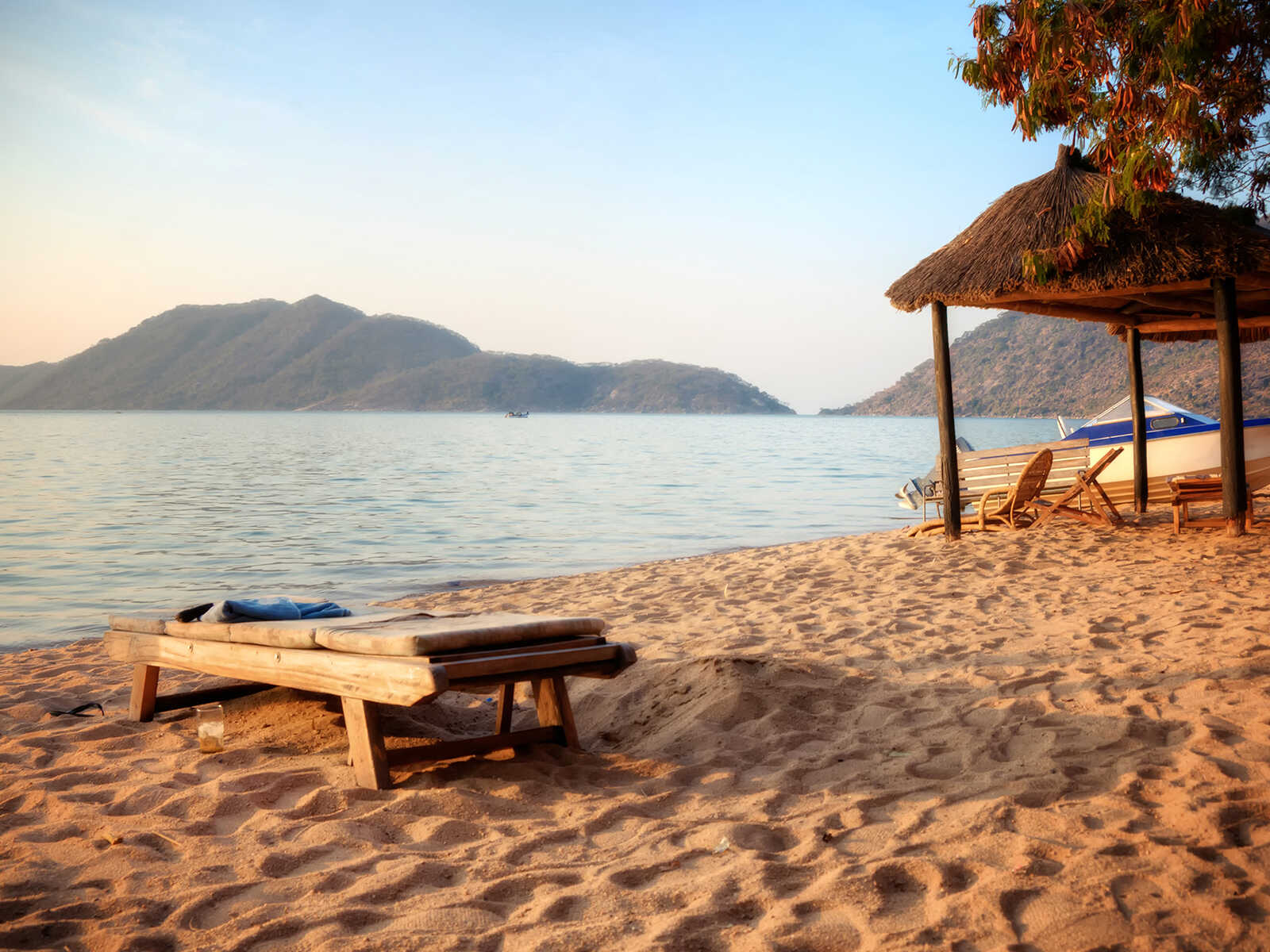
Malawi offers a wealth of diverse experiences. Consider extending your trip to explore other natural wonders like the serene Lake Malawi National Park for some post-hike relaxation and snorkeling, or head north to the rolling highlands of the Nyika National Park for a completely different hiking and wildlife experience. For more mountain adventures, the Zomba Plateau also offers scenic trails and cooler climates.
Responsible Tourism on Mulanje
To ensure the Mulanje Massif remains pristine for future generations, practice responsible tourism:
- Support Local:Hire local guides and porters through official channels, purchase goods from local vendors.
- Respect Culture:Be mindful of local customs and traditions.
- Minimize Impact:Stick to marked trails, avoid littering, and practice proper waste disposal.
- Conserve Resources:Be mindful of water usage and energy consumption.
Hiking the Mulanje Massif is more than just a physical challenge; it's an immersive experience into Malawi's stunning natural beauty and vibrant culture. With proper preparation and respect for the mountain, you'll create memories that last a lifetime.