
From Lilongwe to Zomba Plateau: Your Travel Guide
Embark on a captivating journey through Malawi's diverse landscapes, transitioning from the bustling capital of Lilongwe to the serene heights of the Zomba Plateau. This guide provides all the practical information you need to navigate this scenic route and discover the unique charm of southern Malawi's natural gem.
Why Visit Zomba Plateau?
Often hailed as "the mountain in the sky," the Zomba Plateau offers a refreshing escape with its cool climate, lush pine and cedar forests, and breathtaking panoramic views. Towering over the former colonial capital of Zomba, this elevated wilderness is a haven for hikers, nature lovers, and anyone seeking tranquility amidst stunning natural beauty. From cascading waterfalls to unique rock formations and an abundance of birdlife, the plateau promises a memorable adventure.
Getting from Lilongwe to Zomba: Your Journey Begins
The journey from Lilongwe to Zomba covers approximately 290-300 kilometers, typically taking between 3.5 to 5 hours depending on your chosen mode of transport and road conditions. The route primarily follows the M1 highway, a well-maintained road that offers glimpses into Malawian rural life and scenic landscapes.
Transport Options
- Private Car or Taxi:For convenience and flexibility, hiring a private car with a driver or a taxi is an excellent option. This allows for comfortable travel, direct stops, and the ability to dictate your schedule. Negotiate the fare beforehand.
- Minibus (Matola):The most common and economical way to travel locally, minibuses connect Lilongwe to Zomba regularly. They depart from designated bus terminals once full. While affordable, they can be crowded, and stops are frequent. Be prepared for a lively, authentic Malawian experience.
- Intercity Buses:Larger, more comfortable buses offer a more structured journey with fewer stops than minibuses. Several reputable companies operate daily services between Lilongwe and Zomba. Booking in advance is advisable, especially during peak seasons.
- Car Rental:Renting a 4x4 vehicle is recommended if you plan to explore the Zomba Plateau extensively, as some of the roads on the plateau can be unpaved and challenging. This option provides maximum independence but requires familiarity with driving in Malawi.
Travel Tip:When traveling by minibus or bus, aim to depart early in the morning. This allows you to reach Zomba with ample daylight, making it easier to find your accommodation and settle in.
Exploring Zomba Town
Before ascending the plateau, take a moment to explore Zomba town itself. As Malawi's former capital, it boasts a charming blend of colonial architecture, a vibrant central market, and a relaxed atmosphere. It's an ideal place to stock up on supplies, grab a meal, or simply soak in the local culture before heading up the mountain.
Ascending the Zomba Plateau
Once you reach Zomba town, the adventure to the plateau truly begins. The main road winding up the plateau is well-paved for the initial ascent, but sections higher up and side roads can be rougher, particularly after rain. A 4x4 vehicle is beneficial for exploring the more remote areas.
How to Get Up the Plateau
- By Car:If you have your own vehicle or a rented car, the drive up is straightforward and scenic. Allow about 30-45 minutes from the town center to reach the main plateau areas.
- By Taxi:Taxis are readily available in Zomba town and can take you up to various points on the plateau, including popular viewpoints and accommodations. Negotiate the fare for a round trip or one-way.
- Hiking:For the adventurous, several trails lead directly from Zomba town up to the plateau. This is a strenuous but rewarding hike, offering incredible views along the way. Consider hiring a local guide for safety and to learn about the flora and fauna.
Top Things to Do on Zomba Plateau
The Zomba Plateau is a playground for outdoor enthusiasts. Here are some must-do activities:
1. Hiking and Walking Trails
With a network of well-marked trails, the plateau is perfect for all levels of hikers. Explore dense forests, discover hidden streams, and enjoy the crisp mountain air. Popular routes lead to waterfalls, viewpoints, and through various forest types.
2. Panoramic Viewpoints
Don't miss the iconic viewpoints offering spectacular vistas:
- Queen's View:Named after Queen Elizabeth II, this spot provides stunning panoramic views of Zomba town, the surrounding plains, and on clear days, even Lake Malawi in the distance.
- Emperor's View:A little further along, this viewpoint offers equally impressive perspectives, particularly beautiful at sunrise or sunset.
3. Waterfalls
Several beautiful waterfalls punctuate the plateau's landscape, offering serene spots for relaxation and photography:
- Mandala Falls:A picturesque series of cascades easily accessible from some of the main tracks.
- Williams Falls:Another charming waterfall, often visited as part of a longer hike.
4. Horse Riding
Experience the plateau from a different perspective with a guided horse ride. Several stables offer tours ranging from short treks to multi-hour explorations, allowing you to reach areas inaccessible by vehicle.
5. Chingwe's Hole
A fascinating geological feature, Chingwe's Hole is a mysterious circular pit, steeped in local folklore. Legend has it that it's bottomless and a place where chiefs would dispose of criminals. While its true depth is unknown, it's an intriguing stop on your plateau exploration.
6. Forest Exploration and Birdwatching
The varied ecosystems of the Zomba Plateau, from indigenous woodlands to commercial pine plantations, support a rich diversity of birdlife. Keep an eye out for unique species and enjoy the tranquility of the forest.
Accommodation and Dining on the Plateau
The Zomba Plateau offers a range of accommodation options, from cozy guesthouses to more luxurious lodges, many with stunning views. It's advisable to book your stay in advance, especially during peak travel times. Most accommodations also feature restaurants serving both local and international cuisine.
Practical Tips for Visiting Zomba Plateau
- Best Time to Visit:The dry season (May to October) offers clearer skies and more comfortable hiking conditions. However, the plateau is beautiful year-round; the wet season (November to April) brings lush greenery and full waterfalls, though some paths may be muddy.
- What to Pack:Even in warm months, temperatures on the plateau can be significantly cooler than in Zomba town. Pack layers, sturdy hiking shoes, rain gear (especially during the wet season), sunscreen, a hat, and insect repellent.
- Guides:For hiking, especially on longer or less-traveled routes, consider hiring a local guide. They offer invaluable knowledge of the area, ensure your safety, and can share insights into local culture and nature.
- Water and Snacks:Carry plenty of water and some snacks, especially if you plan on extended hikes, as facilities on the plateau can be limited.
- Respect Local Culture:Always ask permission before taking photos of people, and dress modestly, particularly when visiting local villages.
Extending Your Journey from Zomba
Zomba's central location in southern Malawi makes it an excellent base for further exploration:
- Liwonde National Park:Just a short drive north,Liwonde National Park is renowned for its excellent wildlife viewing, particularly along the Shire River. It's one of Malawi's premier safari destinations.
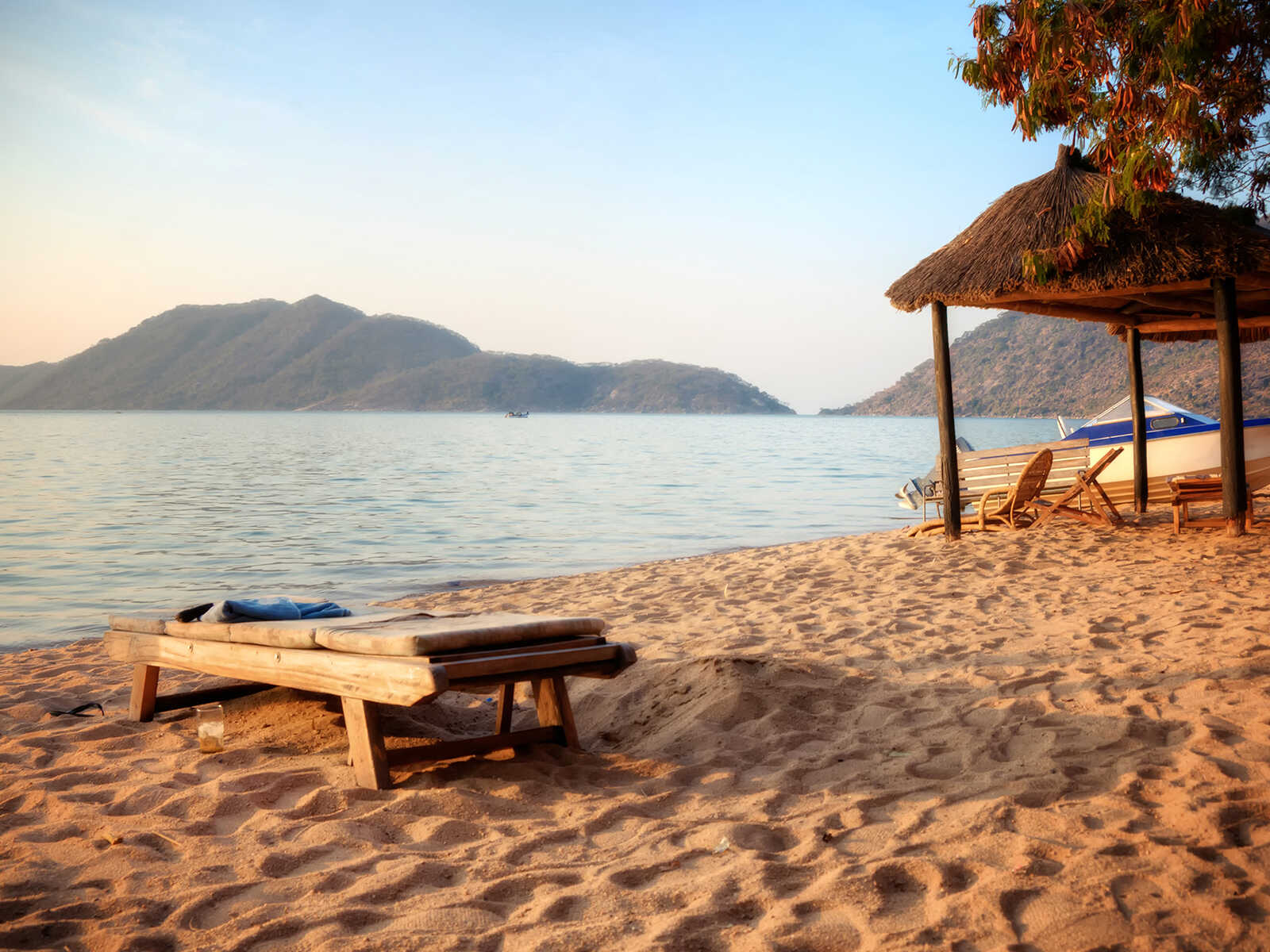
- Lake Malawi National Park:Head east to the shores of Lake Malawi, a UNESCO World Heritage site famous for its cichlid fish and pristine beaches. Ideal for snorkeling, diving, or simply relaxing by the water. You can reach areas like Mangochi or further north to explore the lake's beauty.
- Mulanje Massif:For serious hikers, the majestic Mulanje Massif, Malawi's highest peak, is a challenging but incredibly rewarding destination to the south-east.
Conclusion
The journey from Lilongwe to the Zomba Plateau offers a perfect blend of cultural immersion and natural adventure. Whether you're seeking exhilarating hikes, breathtaking views, or a peaceful retreat into nature, the plateau delivers. With its cool climate, diverse activities, and stunning scenery, it stands as a testament to Malawi's nickname, "The Warm Heart of Africa," inviting you to explore its unique charm.