
Exploring the Wonders of Lake Malawi: Activities and Significance
Stretching over 500 kilometers along Malawi's eastern border, Lake Malawi is a breathtaking freshwater inland sea, renowned for its crystal-clear waters and vibrant aquatic life. Often dubbed the "Lake of Stars" for the twinkling lights of fishing boats at night, it offers an unparalleled blend of natural beauty, diverse activities, and profound cultural significance.
This magnificent lake is not just a geographical feature; it's the beating heart of Malawi, influencing everything from the climate and economy to the daily lives and traditions of its people. For travellers, it promises an unforgettable experience, whether you seek adventure, relaxation, or a deeper connection with nature and local culture.
The Ecological and Cultural Significance of Lake Malawi
Lake Malawi holds immense global importance, particularly for its extraordinary biodiversity. It is one of the world's most unique freshwater ecosystems, home to an astounding array of endemic species.
A Biodiversity Hotspot: The Cichlid Capital
At the forefront of Lake Malawi's ecological significance are its cichlid fish. The lake boasts over 1,000 species of cichlids, a staggering number that makes it the most species-rich lake in the world. Almost all of these species are endemic, meaning they are found nowhere else on Earth. This incredible speciation provides a living laboratory for evolutionary studies and is a primary reason why a portion of the southern end of the lake was designated as Lake Malawi National Park, a UNESCO World Heritage Site.
Did you know?The cichlid fish in Lake Malawi exhibit an astonishing array of colours and patterns, making them highly prized in the aquarium trade globally. Observing them in their natural habitat is an unforgettable experience.
Beyond cichlids, the lake supports a diverse range of other aquatic life, including other fish species, crocodiles, and hippos, particularly in the river mouths and marshier areas. Its surrounding shores and islands also provide habitats for numerous bird species, making it a fantastic destination for birdwatching.
The Lifeblood of Malawi
For the people of Malawi, the lake is far more than just a beautiful attraction; it is a vital source of livelihood. Fishing is a cornerstone of the local economy, providing food security and employment for thousands. The lake also serves as a crucial transport route, connecting communities along its extensive shoreline and facilitating trade.
Culturally, Lake Malawi is deeply intertwined with Malawian identity. Its shores are dotted with traditional fishing villages where life unfolds at a gentle pace, offering visitors a glimpse into authentic Malawian customs and hospitality.
Engaging Activities on Lake Malawi
Whether you're an avid adventurer or seeking tranquil relaxation, Lake Malawi offers a plethora of activities to suit every taste.
Dive into the Depths: Snorkelling and Scuba Diving
With its remarkably clear waters and unparalleled fish diversity, Lake Malawi is a world-class destination for snorkelling and scuba diving. The underwater visibility is often excellent, allowing for incredible views of the vibrant cichlids darting amongst rocky outcrops. Many lodges and resorts around the lake offer equipment rental and guided diving excursions, catering to both beginners and experienced divers. The best spots are often found within Lake Malawi National Park, particularly around Cape Maclear.
Glide Across the Surface: Kayaking, Canoeing, and Sailing
For those who prefer to stay on the surface, kayaking and canoeing offer a peaceful way to explore the lake's coves and islands. Paddle along the shore, discover secluded beaches, or embark on multi-day expeditions to nearby islands like Likoma and Chizumulu. Many accommodations provide kayaks for guest use. Sailing is another popular activity, with traditional dhows and modern sailboats available for sunset cruises or longer journeys, allowing you to truly appreciate the lake's vastness.
Relaxation and Beach Life
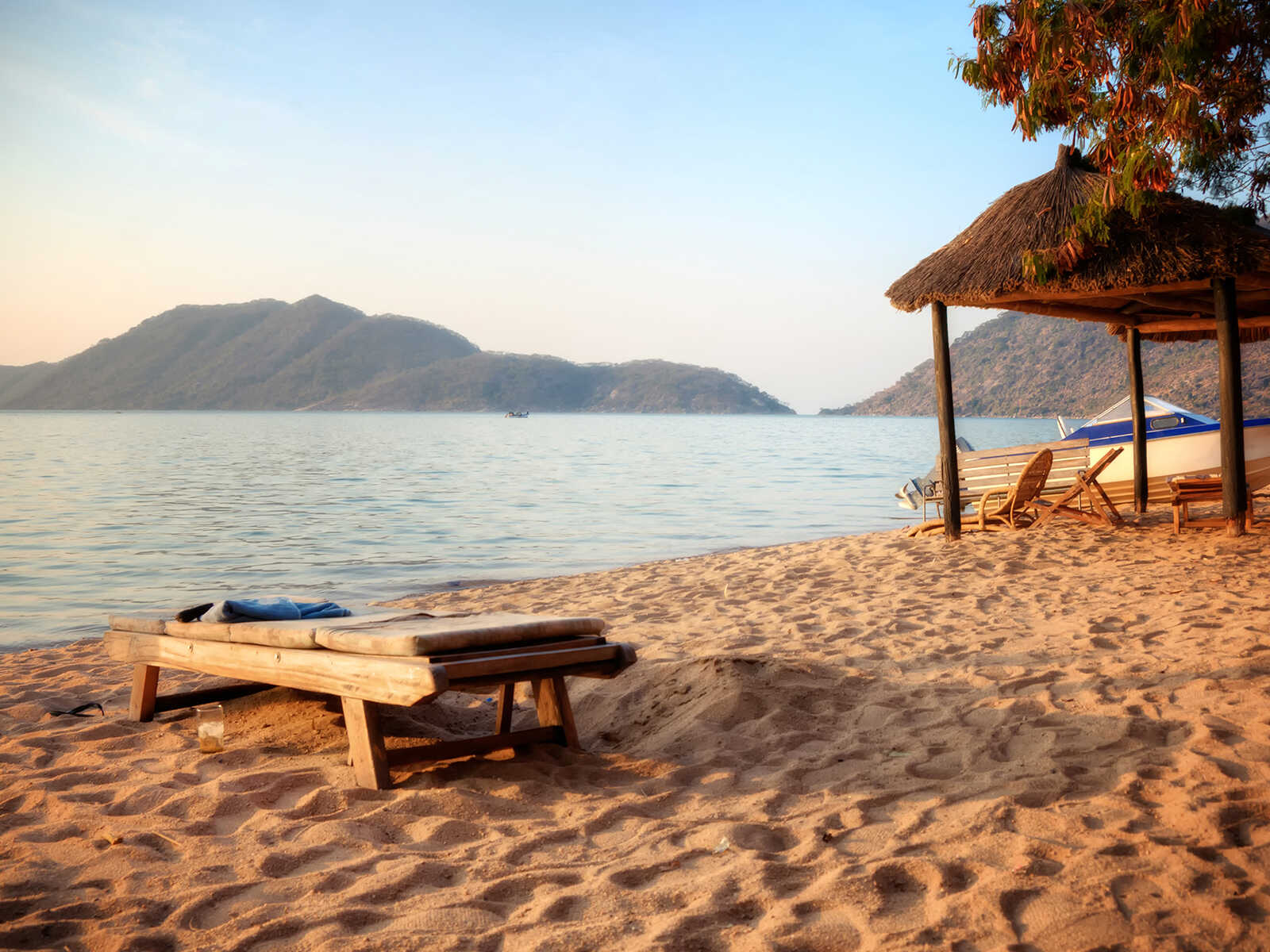
Lake Malawi boasts stunning sandy beaches, particularly along its western and northern shores, such as those near Chintheche. These idyllic spots are perfect for unwinding, sunbathing, and swimming in the warm, freshwater. The lack of strong currents and predatory marine life (outside of specific areas where crocodiles or hippos might be present) makes swimming in the lake a safe and enjoyable experience. Resorts and guesthouses often have private beach areas where you can relax with a book or simply soak in the serene atmosphere.
Boat Trips and Island Hopping
Embark on a boat trip to explore hidden coves, visit remote fishing villages, or simply enjoy the panoramic views of the surrounding landscapes. Sunset cruises are particularly popular, offering magical vistas as the sun dips below the horizon, painting the sky in fiery hues. Day trips to the larger islands like Likoma and Chizumulu provide opportunities to explore their unique communities, visit historic churches, and enjoy further snorkelling or diving.
Cultural Immersion and Village Visits
A visit to Lake Malawi is incomplete without engaging with the local culture. Many lakeside villages welcome visitors, offering insights into traditional Malawian life. You can observe local fishermen mending their nets, women preparing meals, or children playing. Consider taking a guided village tour to learn about local customs, perhaps even trying your hand at crafting traditional items or tasting freshly caught fish cooked over an open fire. Areas like Mangochi at the southern end or the communities around Chintheche provide excellent opportunities for cultural interaction.
Birdwatching and Nature Walks
The areas surrounding Lake Malawi, especially around its estuaries and islands, are rich in birdlife. Keep an eye out for fish eagles, cormorants, kingfishers, and various migratory species. Nature walks along the shoreline or into the nearby hills offer a chance to spot local wildlife and enjoy the tranquil beauty of the landscape. While Lake Malawi is the focus, remember that Malawi also offers exceptional safari experiences in parks like Liwonde National Park or Majete Wildlife Reserve, and stunning mountain hikes in the Mulanje Massif or Zomba Plateau, making for a diverse itinerary.
Planning Your Visit to Lake Malawi
The best time to visit Lake Malawi is during the dry season, from May to October, when temperatures are pleasant and rainfall is minimal. This period offers the clearest waters for snorkelling and diving, and comfortable conditions for all activities.
- Accommodation:A wide range of accommodation options are available, from budget-friendly guesthouses and campsites to luxurious resorts and private villas.
- Getting Around:Local minibuses, taxis, and hire cars can take you to various points along the lake. Boat transfers are also common for reaching islands or specific lakeside lodges.
- Safety:Always ensure you use reputable tour operators for water activities. Stay hydrated, use sun protection, and be aware of local customs.
Lake Malawi is more than just a destination; it's an experience that captivates the soul. Its dazzling waters, incredible biodiversity, and warm, welcoming culture create an unforgettable journey. Whether you're exploring its underwater wonders, relaxing on its pristine beaches, or connecting with its vibrant communities, the "Lake of Stars" promises a truly magical adventure.