
Exploring Lake Malawi National Park: Snorkeling, Kayaking, and Beaches
Discover the vibrant aquatic world and pristine shores of Lake Malawi National Park, a UNESCO World Heritage site renowned for its exceptional biodiversity. This comprehensive guide will help you plan an unforgettable adventure, from exploring the kaleidoscope of cichlids beneath the surface to paddling tranquil waters and relaxing on idyllic beaches.
A UNESCO Gem: Introduction to Lake Malawi National Park
Nestled at the southern end of the vast Lake Malawi,Lake Malawi National Park holds a unique distinction as the world's first freshwater national park. Established in 1980 and granted UNESCO World Heritage status in 1984, its primary purpose is to protect the incredible diversity of cichlid fish, a family of brightly colored freshwater fish endemic to the lake. The park encompasses a land area around the Nankumba Peninsula, including several islands such as Domwe, Thumbi, and Mumbo, as well as the surrounding clear waters. Its stunning landscapes combine golden beaches with rocky outcrops, all teeming with life both above and below the waterline.
Fun Fact:Lake Malawi is one of the oldest lakes in the world, estimated to be between one and two million years old. Its isolation and age have contributed to the extraordinary evolution of its cichlid species.
The Underwater Wonderland: Snorkeling and Diving
The star attraction of Lake Malawi National Park is undoubtedly its underwater ecosystem. The crystal-clear waters offer unparalleled visibility, making it a prime destination for snorkeling and diving enthusiasts.
Cichlids: The Jewels of the Lake
Dive into a world where thousands of vibrantly colored cichlid fish dart among submerged rocks and aquatic plants. Lake Malawi boasts over 1000 species of cichlids, more than any other lake in the world, with new species still being discovered. Many are "mbuna," meaning "rock-dwellers," known for their striking patterns and territorial behavior. Snorkeling or diving here is like swimming in a giant natural aquarium, with species ranging from electric blues and yellows to intricate striped and spotted varieties.
- Snorkeling:Accessible to all skill levels, snorkeling allows you to effortlessly observe the colorful cichlids just a few feet from the surface. Many lodges offer guided snorkeling trips to prime viewing spots.
- Diving:For certified divers, the opportunities are even greater. Explore deeper reefs, discover hidden caves, and spend more extended periods immersed in this unique freshwater environment. Several dive centers operate within or near the park, offering equipment rental and guided dives.
Surface Serenity: Kayaking and Paddleboarding
Beyond the underwater spectacle, the calm, pristine waters of Lake Malawi National Park are perfect for surface-level exploration. Kayaking and stand-up paddleboarding (SUP) offer a peaceful way to experience the lake's beauty and get closer to its natural features.
- Kayaking:Paddle along the scenic shoreline, exploring secluded coves and rocky islands. Many lodges provide kayaks for guest use, or you can join guided excursions. Kayaking at sunrise or sunset offers particularly breathtaking views and a tranquil atmosphere.
- Stand-Up Paddleboarding:A fantastic way to combine exercise with sightseeing, SUP allows you to glide across the glassy surface, offering a unique perspective of the surrounding landscapes and sometimes even glimpses of fish below.
- Island Hopping:Pack a picnic and paddle to one of the nearby islands like Domwe or Mumbo Island. These islands often have hiking trails and offer secluded spots for swimming and relaxation.
Lakeside Relaxation: Beaches and Beyond
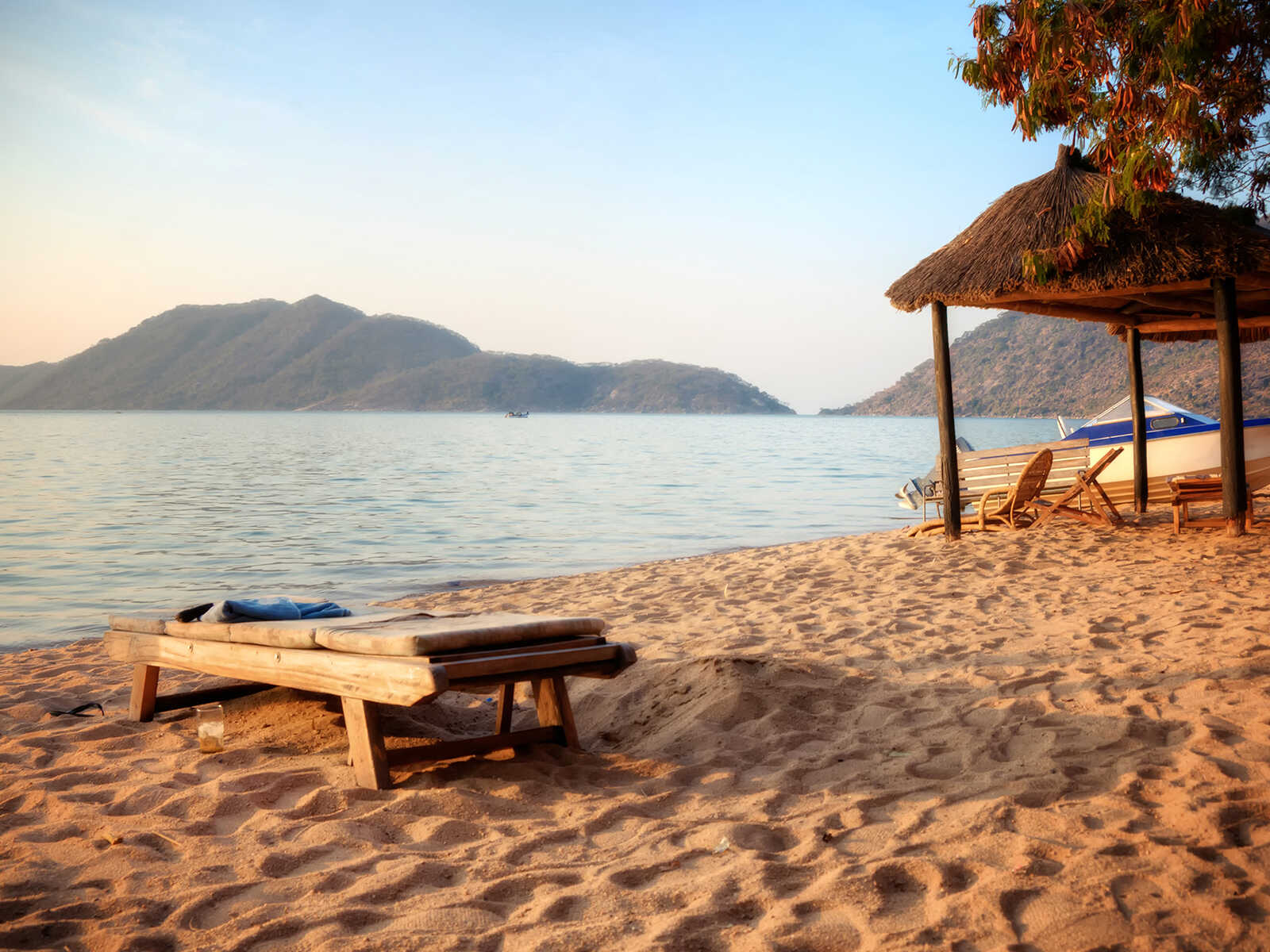
After your aquatic adventures, the golden sandy beaches of Lake Malawi National Park provide the perfect setting for relaxation. Sunbathe, read a book under the shade of a baobab tree, or simply enjoy the gentle lapping of the waves.
The main hub for activities and accommodation within the park is Cape Maclear, a lively village known for its friendly atmosphere and stunning lakeside setting. Other beautiful areas are found along the Nankumba Peninsula, stretching towards Mangochi further south, offering a variety of lodges and quieter beaches.
Beyond the Water: Other Activities
While water activities dominate, there are other ways to enjoy the park:
- Hiking and Nature Walks:Explore the land-based sections of the park. Trails lead through indigenous woodlands and offer panoramic views of the lake and surrounding hills. Keep an eye out for diverse birdlife, baboons, and monitor lizards.
- Birdwatching:The park is a haven for bird enthusiasts, with numerous species, including African fish eagles, cormorants, and various kingfishers.
- Village Cultural Tours:Engage with the local communities around Cape Maclear. Learn about their way of life, visit local markets, and experience Malawian hospitality.
- Sunset Cruises:End your day with a magical sunset cruise, watching the sky transform into a palette of fiery colors as the sun dips below the horizon.
Planning Your Visit
To make the most of your trip to Lake Malawi National Park, consider these practical aspects:
Getting There
The park is located at the southern end of Lake Malawi, with Cape Maclear being the most popular entry point. It's accessible by road from Malawi's major cities, including Lilongwe and Blantyre. Many lodges can arrange transfers, or you can opt for local minibuses.
Accommodation
A range of accommodation options are available, from rustic campsites and budget-friendly guesthouses to comfortable lodges and luxurious island retreats. Whether you prefer a lively beachfront resort or a secluded island bungalow, you'll find something to suit your style and budget.
Best Time to Visit
Lake Malawi generally enjoys a pleasant climate year-round. The dry season (May to October) is often considered ideal, with cooler temperatures, minimal rainfall, and excellent visibility for water activities. The wet season (November to April) brings lush greenery and fewer crowds, but can have higher humidity and occasional heavy downpours.
Responsible Tourism and Conservation
When visiting Lake Malawi National Park, it's crucial to practice responsible tourism. The park's delicate ecosystem is sensitive to human impact. Always follow park guidelines, avoid touching or disturbing marine life, and ensure all waste is disposed of properly. Support local businesses and respect cultural traditions to contribute positively to the conservation efforts and the well-being of the communities.
Combining Your Adventure
A trip to Lake Malawi National Park can be wonderfully combined with other Malawian adventures. Consider adding a safari experience at Liwonde National Park or Majete Wildlife Reserve to witness incredible wildlife, or explore the cultural and scenic beauty of the Zomba Plateau. Malawi truly offers diverse experiences for every traveler.
Exploring Lake Malawi National Park is an immersive journey into one of Africa's most remarkable natural treasures. Whether you're a seasoned diver, a casual snorkeler, a keen kayaker, or simply seeking lakeside tranquility, the park promises an unforgettable blend of adventure, beauty, and ecological wonder.