
Best Time to Visit Malawi: Weather, Wildlife, and Lake Activities
Malawi, the "Warm Heart of Africa," offers a captivating blend of stunning landscapes, diverse wildlife, and the magnificent Lake Malawi. Deciding the best time to visit depends largely on your priorities, as each season presents unique advantages for exploring this beautiful country.
Understanding Malawi's Climate: Wet vs. Dry Seasons
Malawi experiences a tropical climate with two distinct seasons:
- Dry Season (Winter):Generally from May to October. Characterized by cooler temperatures, lower humidity, and very little rainfall.
- Wet Season (Summer):Generally from November to April. Characterized by hotter temperatures, higher humidity, and significant rainfall, often in the form of afternoon thunderstorms.
Altitude also plays a role, with highlands like the Nyika National Park or Mulanje Massif being considerably cooler than the low-lying Rift Valley and Lake Malawi shores.
The Dry Season (May - October): The Peak Travel Window
This period is widely considered the prime time for most visitors to Malawi, offering ideal conditions for a wide range of activities.
Weather Conditions
- Temperatures:Pleasant and mild, ranging from 20-29°C (68-84°F) during the day, dropping to cooler nights, especially in June and July.
- Rainfall:Minimal to non-existent, leading to clear skies and abundant sunshine.
- Humidity:Low, making for very comfortable conditions.
Wildlife Viewing
The dry season is unparalleled for wildlife safaris. As water sources diminish, animals congregate around permanent waterholes and rivers, making them easier to spot. The vegetation thins out, improving visibility significantly. This is the best time to visit parks like Liwonde National Park and Majete Wildlife Reserve, where you can witness elephants, hippos, crocodiles, and various antelope species. Predators are also more active and visible.
Lake Activities
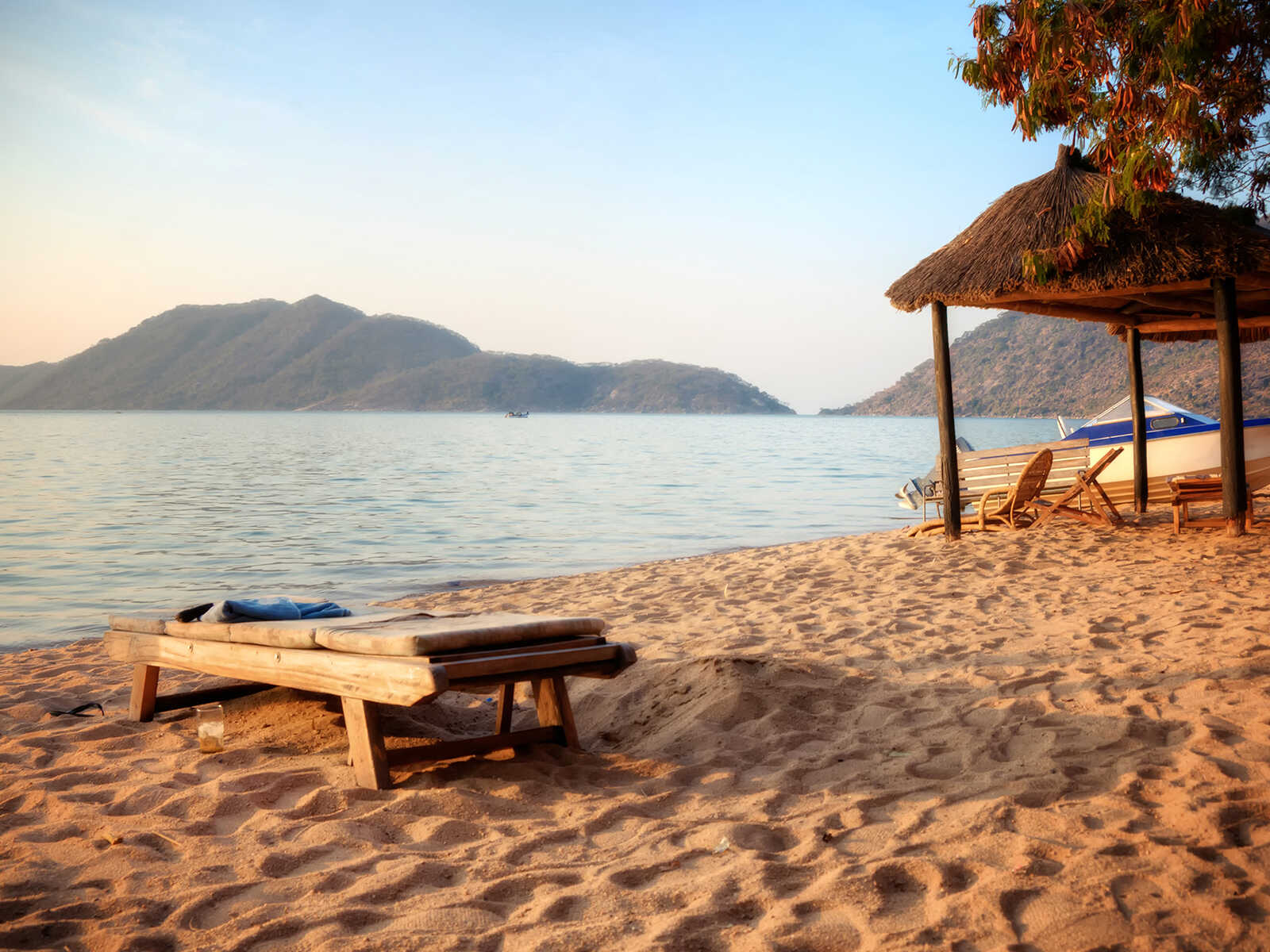
Lake Malawi is glorious during the dry season. The waters are typically calm, clear, and warm, perfect for swimming, snorkeling, diving, kayaking, and sailing. Resorts along the shores, such as those in Chintheche or Mangochi, thrive, offering excellent conditions for relaxation and water sports. The lack of rain ensures uninterrupted days of sunshine by the lake.
Hiking and Trekking
With dry trails and comfortable temperatures, the dry season is ideal for exploring Malawi’s highlands. Trekking up the Mulanje Massif or hiking on the Zomba Plateau offers stunning views and challenging routes without the hindrance of mud or slippery paths.
Travel Tip:While May to October is generally dry, the early part (May-June) can still see remnants of the green season's lushness, offering a beautiful contrast without the heavy rains.
The Wet Season (November - April): The Green Season
Often overlooked, the wet season offers a different, yet equally rewarding, experience for those seeking lush landscapes, vibrant birdlife, and fewer crowds.
Weather Conditions
- Temperatures:Hot and humid, especially from November to February, often exceeding 30°C (86°F).
- Rainfall:Frequent, typically afternoon thunderstorms that can be heavy but usually short-lived. Mornings are often clear and sunny.
- Humidity:High, which can be uncomfortable for some visitors.
Wildlife Viewing
While spotting large mammals can be more challenging due to dense vegetation and dispersed water sources, the wet season transforms the parks into verdant paradises. It's the best time for birdwatching, as migratory species arrive, making parks like Nyika National Park a birder's dream. Many animals give birth during this period, offering a chance to see newborns and their protective mothers.
Lake Activities
Lake Malawi remains enjoyable, but afternoon storms can occasionally lead to choppy waters. Swimming and snorkeling are still popular, though visibility for diving might be slightly reduced in some areas due to runoff. The lake shores are less crowded, offering a more serene experience.
Hiking and Trekking
Hiking can be more challenging due to muddy trails and higher humidity. However, the landscapes are at their most vibrant, with flowing rivers and spectacular waterfalls. For serious trekkers, this can be a rewarding, albeit more strenuous, time to explore.
Pros and Cons of the Wet Season
- Pros:Lush green scenery, incredible birdwatching opportunities, fewer tourists, potential for lower accommodation rates, dramatic stormy skies for photographers.
- Cons:High heat and humidity, increased mosquito activity, some roads may become impassable, challenges for big game viewing.
Shoulder Seasons: April/May & October/November
These transitional months can offer a balanced experience, blending elements of both seasons.
- April/May:The tail end of the wet season, with decreasing rainfall and temperatures, and still very green landscapes. A good time to catch the last of the migratory birds and see lush scenery before the dry season fully sets in.
- October/November:The transition from dry to wet, often hot and humid as the first rains begin. This can be an exciting time for photographers to capture dramatic storm clouds and the first flush of green. However, it can also be the hottest and most uncomfortable period before the rains properly break the heat.
Activities by Interest: Best Time to Go
Wildlife Safaris
Best Time:Dry Season (May - October). Excellent visibility, animals congregate at waterholes.Liwonde National Park and Majete Wildlife Reserve are particularly rewarding during this period.
Lake Malawi Exploration (Swimming, Snorkeling, Diving, Boating)
Best Time:Dry Season (May - October)for consistent calm, clear waters and sunshine. However, the lake is enjoyable year-round.Lake Malawi National Park,Chintheche, and Mangochi are prime spots.
Hiking and Trekking
Best Time:Dry Season (May - October). Easier trails, comfortable temperatures for adventures on the Mulanje Massif or Zomba Plateau.
Birdwatching
Best Time:Wet Season (November - April). Migratory birds arrive, and resident species are in breeding plumage.Nyika National Park is particularly renowned for its avian diversity.
Cultural Experiences
Best Time:Year-round. Cultural interactions, visiting local markets, or exploring art centers in places like Dedza can be done at any time. The Malape Pillars are also accessible year-round for unique geological sights.
Key Considerations for Planning Your Trip
- Crowds:The dry season (especially July-September) sees the most visitors, so book accommodation and activities well in advance. The wet season offers a quieter, more intimate experience.
- Road Conditions:While major roads are generally good, some rural or park roads can become challenging and even impassable during the peak wet season without a 4x4 vehicle.
- Accommodation:Availability is higher and rates might be slightly lower during the wet season, especially outside of popular lakeside resorts.
- Personal Preference:If you're heat-sensitive, avoid the peak wet season. If you love lush scenery and don't mind a bit of rain, the green season could be perfect.
Conclusion
Malawi truly offers something for every traveler, no matter the season. For classic safaris, serene lake activities, and comfortable hiking, theDry Season (May - October)is generally your best bet. However, for birdwatching enthusiasts, photographers, or those seeking a more authentic, uncrowded experience amidst vibrant green landscapes, theWet Season (November - April)holds its own unique charm. Ultimately, the "best" time to visit Malawi aligns with what you hope to experience in this incredibly welcoming and beautiful country.