
Madeira Language Guide: Essential Portuguese Phrases for Travelers
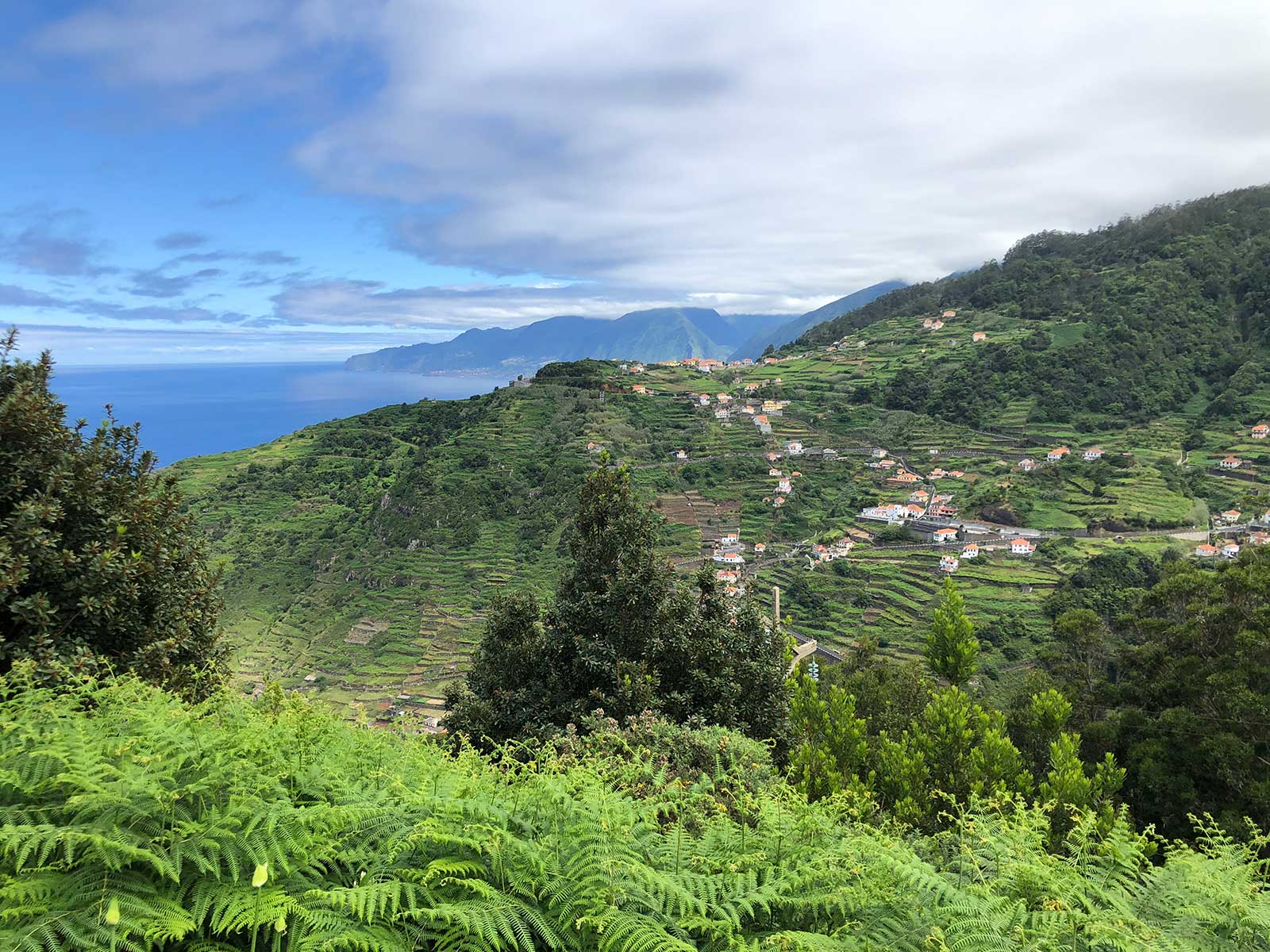
Venturing to the stunning island of Madeira offers an unforgettable experience, from its dramatic landscapes to its vibrant culture. While English is spoken in many tourist areas, learning a few basic Portuguese phrases can significantly enrich your journey, opening doors to more authentic interactions and a deeper appreciation for this unique destination.
Why Learn Portuguese for Your Madeira Trip?
Portuguese is the official language of Madeira, and while locals in the tourism sector often speak English, making an effort to speak their language is always appreciated. It shows respect for the local culture and can lead to warmer interactions, better service, and a more immersive travel experience. Imagine ordering a traditionalponchain Câmara de Lobos or asking for directions to the breathtaking Pico do Arieiro in Portuguese – it's incredibly rewarding!
Even a handful of phrases can transform your trip, helping you connect with locals, navigate with confidence, and truly feel like a part of the island's rhythm.
Basic Greetings & Politeness
Starting with polite greetings is your first step to making a good impression. These phrases are your essential toolkit for everyday interactions.
- Olá(Oh-LAH) – Hello
- Bom dia(BOHm DEE-ah) – Good morning (until midday)
- Boa tarde(BOH-ah TAR-djee) – Good afternoon (from midday to sunset)
- Boa noite(BOH-ah NOY-tjee) – Good evening/Good night (from sunset onwards)
- Adeus(Ah-DEH-oosh) – Goodbye
- Por favor(Por fah-VOR) – Please
- Obrigado / Obrigada(Oh-bree-GAH-doo / Oh-bree-GAH-dah) – Thank you (Obrigadoif you are male,Obrigadaif you are female)
- De nada(Dee NAH-dah) – You're welcome
- Com licença(Kohm lee-SEN-sah) – Excuse me (to get attention or pass by)
- Desculpe(Dish-KOOL-peh) – Sorry / Excuse me (for an apology)
- Sim(SEEN) – Yes
- Não(NAH-oom) – No
Travel Tip:When addressing someone formally, especially an elder or someone in a service role, it's polite to use "Senhor" (Mr.) or "Senhora" (Mrs./Ms.) before their name or simply as a standalone address.
Navigating & Asking for Directions
Exploring Madeira's diverse landscapes, from the coastal trails of Ponta de São Lourenço to the volcanic pools of Porto Moniz, often requires a bit of navigation. These phrases will help you find your way.
- Onde é...?(OHN-djee eh...?) – Where is...?
- ...a estação de autocarros?(...ah esh-tah-SAH-oom djee ow-toh-KAH-roos?) – ...the bus station?
- ...o centro da cidade?(...oo SEN-tro dah see-DAH-djee?) – ...the city center?
- ...o meu hotel?(...oo MEH-oo oh-TEL?) – ...my hotel?
- Como chego a...?(KOH-moo SHEH-goo ah...?) – How do I get to...?
- É longe?(Eh LOHN-djee?) – Is it far?
- É perto?(Eh PER-too?) – Is it near?
- Direita(Dee-REH-tah) – Right
- Esquerda(Esh-KER-dah) – Left
- Em frente(Ehm FREN-tjee) – Straight ahead
- Aqui(Ah-KEE) – Here
- Ali(Ah-LEE) – There
When embarking on one of Madeira's famous Levada Walks, like the path to 25 Fontes Falls or Levada dos Balcões, asking for local guidance can be invaluable. Don't be shy to use your newfound phrases!
Dining Out & Ordering Food
Madeiran cuisine is a highlight for many visitors. From fresh seafood in Jardim do Mar to traditionalespetada, knowing how to order will enhance your culinary adventure.
- Uma mesa para dois, por favor.(OO-mah MEH-zah pah-rah DOYSH, por fah-VOR.) – A table for two, please.
- O menu, por favor.(Oo MEH-noo, por fah-VOR.) – The menu, please.
- Eu gostaria de...(Eh-oo goos-tah-REE-ah djee...) – I would like...
- ...água.(...AH-goo-ah.) – ...water.
- ...um café.(...oom kah-FEH.) – ...a coffee.
- ...um vinho.(...oom VEE-nyoo.) – ...a wine.
- ...o peixe.(...oo PEH-sh.) – ...the fish.
- A conta, por favor.(Ah KOHN-tah, por fah-VOR.) – The bill, please.
- Delicioso!(Dee-lee-see-OH-zoo!) – Delicious!
Don't forget to tryBolo do Caco, a traditional Madeiran flatbread, often served with garlic butter, and pair it with some local wine. In charming towns like Santana, you might find unique eateries offering authentic experiences.
Shopping & Transactions
Whether you're buying souvenirs or fresh produce at a local market, these phrases will come in handy.
- Quanto custa?(KWAHN-too KOOS-tah?) – How much does it cost?
- Posso pagar com cartão?(POH-soo pah-GAR kohm kar-TAH-oom?) – Can I pay by card?
- Tem...?(Tehm...?) – Do you have...?
- ...este em outro tamanho?(...ESH-tjee ehm OH-troo tah-MAH-nyoo?) – ...this in another size?
- ...este em outra cor?(...ESH-tjee ehm OH-trah KOR?) – ...this in another color?
- Um(Oom) – One
- Dois(Doy-sh) – Two
- Três(Tresh) – Three
- Quatro(KWAH-troo) – Four
- Cinco(SEEN-koo) – Five
Essential Phrases for Emergencies & Assistance
While we hope your trip is smooth, knowing these critical phrases can provide peace of mind.
- Ajuda! / Socorro!(Ah-ZHOO-dah! / Soh-KOH-roo!) – Help!
- Preciso de um médico.(Preh-SEE-zoo djee oom MEH-dee-koo.) – I need a doctor.
- Chame a polícia.(SHAH-meh ah poh-LEE-see-ah.) – Call the police.
- Não percebo.(Nah-oom per-SEH-boo.) – I don't understand.
- Fala inglês?(FAH-lah een-GLEHSH?) – Do you speak English?
In case of any difficulty, locals are generally very helpful, even if there's a language barrier. Don't hesitate to seek assistance, perhaps at a local visitor center or your accommodation.
Pronunciation Tips & Learning Resources
Portuguese pronunciation can be tricky, especially with its nasal vowels and specific sounds. Here are a few quick tips:
- The 'ão' sound (as inpão– bread) is a nasal diphthong, similar to 'ow-ng' in English but with a nasal quality.
- 'lh' (as inmulher– woman) sounds like the 'lli' in 'million'.
- 'nh' (as invinho– wine) sounds like the 'ny' in 'canyon'.
- 'r' at the beginning of a word or 'rr' in the middle is often a guttural 'h' sound (like in "hello"), while a single 'r' in the middle of a word is often a soft roll.
To further your learning, consider:
- Language Apps:Duolingo, Memrise, and Babbel offer Portuguese courses that are great for beginners.
- Phrasebooks:A small, portable phrasebook can be a lifesaver when you're on the go.
- Listen Actively:Pay attention to how locals speak. Even if you don't understand every word, you'll pick up on rhythm and intonation.
Embrace the Local Dialect
While the Portuguese spoken in Madeira is European Portuguese, you might notice a distinct accent and some unique local expressions. The Madeiran accent tends to be a bit softer and can have slight variations in vowel sounds compared to mainland Portugal. Embrace these nuances as part of the island's charm!
Fun Fact:Many Madeiran islanders use the diminutive suffix "-inho" or "-inha" more frequently than mainland Portuguese speakers, making words sound even cuter and more endearing, like "cafezinho" for a small coffee.
Conclusion
Learning a few essential Portuguese phrases for your trip to Madeira is more than just practical; it's an invitation to connect more deeply with the island and its wonderful people. From navigating the trails to Pico Ruivo to savoring a meal in a local eatery, every phrase you use will enhance your experience. So, take the plunge, practice these phrases, and prepare for an even more memorable adventure in Madeira!