
Snorkeling & Diving in Nosy Sakatia: Marine Life Encounters
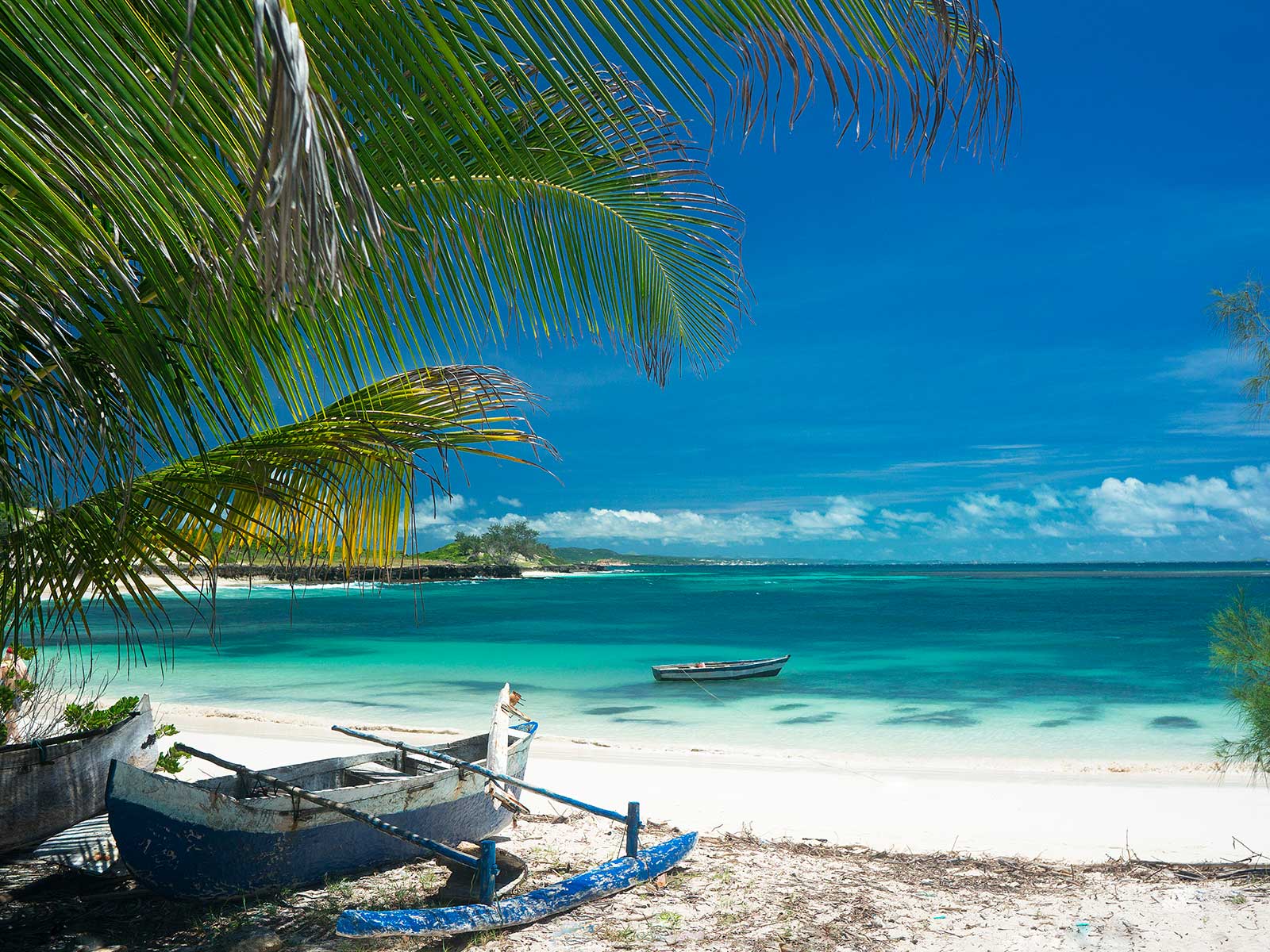
Nestled off the bustling coast of Nosy Be, the serene island of Nosy Sakatia, often called "Orchid Island," offers an unparalleled underwater sanctuary in Madagascar. This pristine locale is a diver's and snorkeler's paradise, boasting an extraordinary diversity of marine life in its crystal-clear, warm waters.
For those seeking an intimate connection with the ocean,Nosy Sakatia presents an idyllic escape. Its sheltered bays and vibrant coral reefs create perfect conditions for exploring a world teeming with colorful fish, majestic sea turtles, and an array of fascinating invertebrates. Whether you're a seasoned diver or just dipping your toes into snorkeling, the island promises unforgettable encounters beneath the waves.
Why Nosy Sakatia is a Marine Wonderland
Nosy Sakatia stands out as a prime destination for marine exploration due to its strategic location and dedicated conservation efforts. Unlike some more developed areas, the island maintains a tranquil, untouched feel, contributing to the health and abundance of its marine ecosystems. The waters surrounding Nosy Sakatia are part of a larger marine protected area, ensuring the preservation of its delicate habitats.
The island's proximity to Nosy Be makes it easily accessible, yet it retains a distinct charm and peacefulness. Its sheltered position protects many dive and snorkel sites from strong currents, making it suitable for all experience levels. The rich volcanic soil of Nosy Sakatia also contributes to its lush terrestrial environment, providing a beautiful backdrop to the azure waters.
Snorkeling Adventures in Nosy Sakatia
Snorkeling around Nosy Sakatia offers immediate gratification, with vibrant marine life often visible just meters from the shore. The island is particularly renowned for its resident population of green sea turtles, which are frequently spotted grazing in the seagrass beds or resting on the reef.
Key Snorkeling Spots and What to Expect
- Turtle Gardens:Located near the island's western side, these shallow, sheltered areas are prime locations for observing green sea turtles in their natural habitat. The gentle currents make it ideal for beginners and families.
- Coral Patches:Scattered around the island are numerous coral gardens, bursting with hard and soft corals. Here, you'll encounter a kaleidoscope of reef fish, including clownfish darting among anemones, colorful parrotfish, inquisitive damselfish, and elegant angelfish.
- Mangrove Edges:While less common for direct snorkeling, the fringes of mangrove areas can reveal juvenile fish and unique crustaceans, offering a different perspective on the marine ecosystem.
Tip for Snorkelers:Always maintain a respectful distance from marine life, especially sea turtles. Avoid touching them or blocking their path to the surface.
The water temperature remains consistently warm throughout the year, typically ranging from 26-30°C (79-86°F), allowing for comfortable extended snorkeling sessions. Visibility is generally excellent, often exceeding 20 meters (65 feet).
Diving into Nosy Sakatia's Depths
For certified divers,Nosy Sakatia presents a captivating array of dive sites catering to all levels, from novice open water divers to experienced enthusiasts. Local dive centers offer guided excursions, equipment rental, and PADI certification courses, ensuring a safe and enriching experience.
Popular Dive Sites
- The Wall:A spectacular drop-off offering a thrilling drift dive. Here, divers can encounter larger pelagic species such as reef sharks (blacktip and whitetip), eagle rays, and schooling barracuda. The wall is adorned with impressive gorgonian fans and soft corals.
- Coral City:A vibrant reef system characterized by intricate coral formations and an incredible density of reef fish. This site is perfect for macro photography, revealing nudibranchs, shrimp, and other tiny wonders.
- Turtle Point:Beyond the snorkeling depths, this dive site provides an opportunity to observe sea turtles at rest or swimming gracefully along the reef, alongside moray eels and octopus hidden in crevices.
- Greg's Reef:Known for its healthy hard coral gardens and a good chance to spot various reef sharks and even occasional manta rays during their feeding season.
Night diving is also a popular activity, transforming familiar sites into mystical landscapes where nocturnal creatures emerge. Spanish dancers, basket stars, and hunting lionfish provide a completely different perspective on the reef's inhabitants.
Encountering Marine Life: A Deeper Dive
The biodiversity around Nosy Sakatia is truly remarkable. Divers and snorkelers can expect to witness a vast spectrum of marine species:
- Sea Turtles:Primarily green sea turtles (Chelonia mydas), but hawksbill turtles (Eretmochelys imbricata) are also sighted. They are often seen grazing on seagrass or resting under coral overhangs.
- Reef Fish:An astonishing variety including clownfish, parrotfish, surgeonfish, angelfish, butterflyfish, triggerfish, snappers, and groupers.
- Sharks & Rays:Blacktip reef sharks, whitetip reef sharks, various stingrays, and majestic eagle rays are common. During specific seasons (typically October to December), lucky divers might even encounter the gentle giants of the ocean – whale sharks.
- Macro Life:The reefs are a treasure trove for macro enthusiasts, with countless species of nudibranchs, flatworms, shrimp (cleaner shrimp, emperor shrimp), crabs, and pipefish.
- Octopus & Cuttlefish:Masters of camouflage, these intelligent cephalopods are often spotted hiding among the corals or changing colors as they move.
- Corals:Both hard and soft corals thrive here, creating intricate ecosystems. Brain corals, table corals, branching corals, and colorful gorgonian fans paint the underwater landscape.
The rich seagrass beds surrounding Nosy Sakatia are not only vital feeding grounds for turtles but also contribute significantly to the overall health of the marine ecosystem, filtering water and providing nurseries for juvenile fish.
Best Time to Visit
The prime season for snorkeling and diving in Nosy Sakatia aligns with Madagascar's dry season, typically fromMay to November. During these months, the weather is stable, rainfall is minimal, and the seas are generally calm, leading to excellent visibility. Water temperatures remain warm throughout this period.
For those hoping to spot whale sharks, the peak season is usually fromOctober to December, when these magnificent creatures migrate through the warmer waters around Nosy Be and Nosy Sakatia.
Responsible Marine Exploration
To preserve the fragile beauty of Nosy Sakatia's marine environment for future generations, practicing responsible tourism is paramount:
- Do Not Touch:Avoid touching corals or marine animals. Contact can harm delicate organisms and disturb their natural behavior.
- Buoyancy Control:Divers should maintain excellent buoyancy to prevent accidental contact with the reef.
- No Feeding:Feeding marine life can alter their natural hunting behaviors and make them dependent on human interaction.
- Take Only Photos:Do not remove anything from the ocean, including shells or coral fragments.
- Choose Eco-Friendly Operators:Support dive and snorkel centers that prioritize marine conservation and follow responsible guidelines.
Beyond the Depths: Exploring Nosy Sakatia
While the underwater world is the main draw,Nosy Sakatia itself offers charming terrestrial experiences. Take a stroll through local villages, witness traditional life, or hike through lush vegetation to discover the island's famous orchids, vanilla plantations, and perhaps even some chameleons. It's a delightful contrast to the marine adventures, showcasing Madagascar's incredible biodiversity both above and below the surface. After your aquatic explorations, consider extending your adventure to other parts of Madagascar, from the iconic Avenue of the Baobabs to the unique rock formations of Tsingy de Bemaraha, or the rich rainforests of Andasibe-Mantadia National Park.
Preparing for Your Trip
A few practical tips will enhance your Nosy Sakatia marine adventure:
- Gear:Most resorts and dive centers offer rental equipment. If you prefer your own mask, snorkel, or dive computer, bring them along.
- Sun Protection:The Malagasy sun is intense. Use reef-safe sunscreen, wear a hat, and consider a rash guard for snorkeling to minimize sun exposure.
- Hydration:Drink plenty of water, especially when spending extended periods in the sun and sea.
- Certification:If planning to dive, ensure your dive certification is current, and bring your logbook.
Nosy Sakatia truly embodies the magic of Madagascar's marine environment. Its vibrant reefs, abundant wildlife, and serene atmosphere create an unforgettable experience for anyone eager to explore the wonders beneath the waves.