
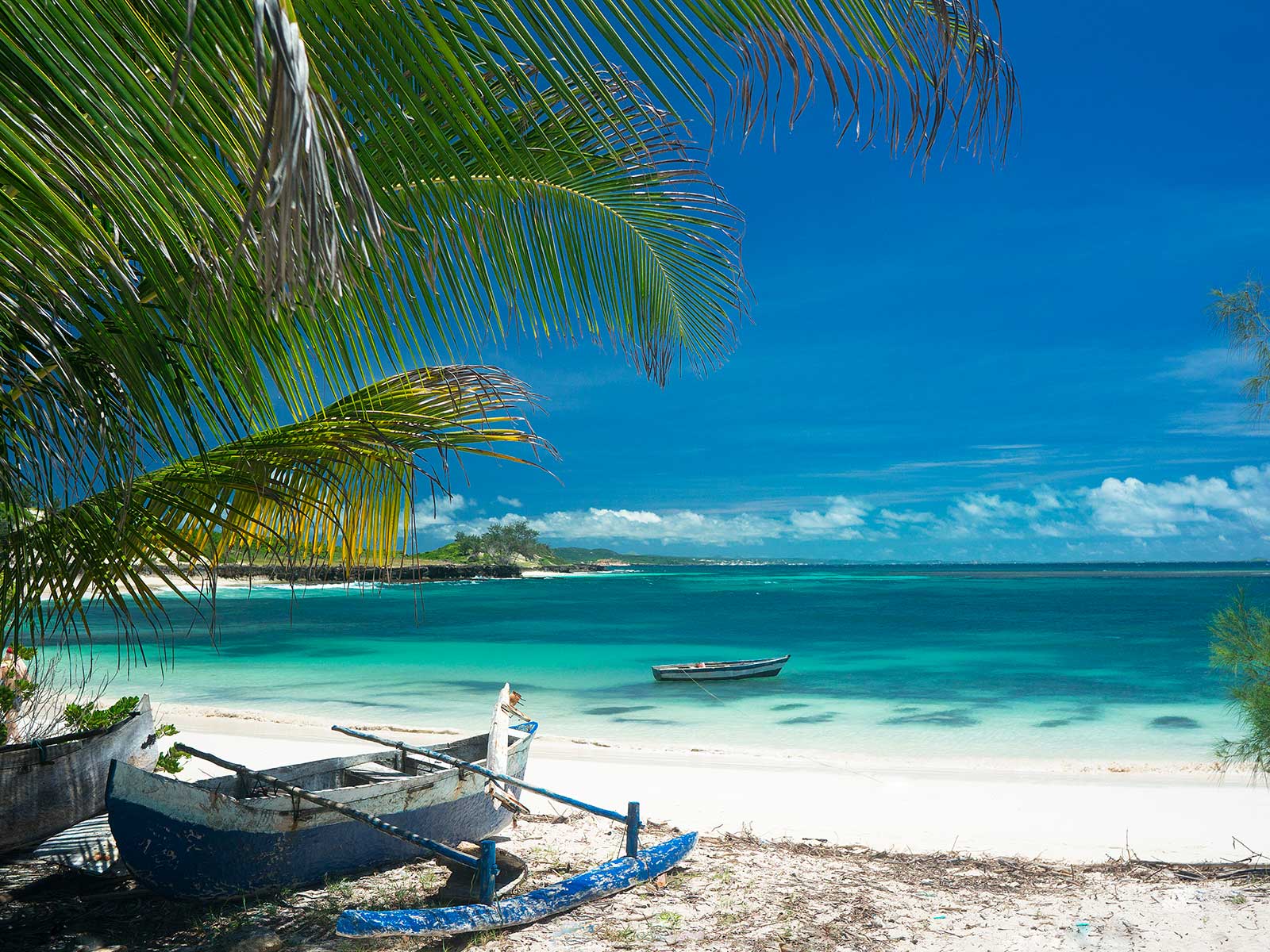
Responsible Tourism in Madagascar: Ethical Travel Tips
Madagascar, an island nation unlike any other, captivates with its extraordinary biodiversity and unique culture. To preserve its wonders for future generations, embracing responsible tourism is not just an option, but a necessity for every visitor.
Often referred to as the "eighth continent," Madagascar boasts an unparalleled array of flora and fauna, with over 90% of its wildlife found nowhere else on Earth. From charismatic lemurs leaping through ancient rainforests in Andasibe-Mantadia National Park to the surreal limestone karsts of Tsingy de Bemaraha, the island offers adventures that are both breathtaking and deeply humbling. However, this unique ecosystem is also incredibly fragile, facing significant threats from deforestation, climate change, and poverty. Responsible tourism plays a vital role in mitigating these challenges, ensuring your journey contributes positively to the island's environment and its people.
Protecting Madagascar's Unique Biodiversity
The cornerstone of responsible travel in Madagascar is the protection of its endemic wildlife and their habitats. Every interaction, no matter how small, can have a lasting impact.
Wildlife Etiquette
- Observe from a Distance:Always maintain a respectful distance from wildlife. Never attempt to touch, feed, or chase animals. This can stress them, alter their natural behaviour, and even expose them to diseases.
- No Flash Photography:Flash photography can disorient and harm nocturnal animals, especially lemurs and chameleons. Use natural light whenever possible.
- Stay on Designated Trails:When exploring national parks like Ankarafantsika Nature Reserve or Masoala National Park, always stick to marked paths. Veering off trails can damage fragile vegetation and disturb nesting sites.
- Avoid Souvenirs from Wildlife:Never purchase items made from endangered species, even if they seem legal. This includes shells, coral, or any plant material collected from protected areas.
Madagascar is home to over 100 species and subspecies of lemurs, each unique to the island. Protecting their natural habitats is crucial for their survival.
Habitat Preservation
Madagascar's forests are disappearing at an alarming rate. Your actions can help reduce your footprint:
- Minimize Waste:"Pack it in, pack it out" is a crucial motto. Carry a reusable water bottle and avoid single-use plastics. Dispose of all waste properly, even organic matter, as it can take a long time to decompose in tropical environments.
- Conserve Resources:Be mindful of your water and electricity consumption in hotels and lodges. Take shorter showers and turn off lights and air conditioning when leaving your room.
- Support Ecotourism Initiatives:Choose accommodations and tour operators that actively invest in conservation efforts, use renewable energy, and source local produce.
Supporting Local Communities and Culture
Ethical travel extends beyond environmental protection to fostering positive social and economic impacts for the Malagasy people.
Engaging with Local Guides and Businesses
One of the most direct ways to support local communities is by hiring local guides and staying in locally-owned guesthouses. This ensures that your tourism dollars directly benefit the people who live and work in the areas you visit.
- Hire Local Guides:Local guides offer invaluable insights into the culture, history, and ecology of Madagascar. They often have profound knowledge of the wildlife and can enhance your experience significantly. Look for certified guides, especially in popular areas like Nosy Be.
- Buy Local Products:Support local artisans by purchasing handmade crafts and souvenirs directly from markets or workshops. This helps sustain traditional skills and provides income for families. Be wary of mass-produced items that might not genuinely benefit the local economy.
- Eat Local:Enjoy Malagasy cuisine at local restaurants and eateries. This not only offers an authentic cultural experience but also supports local food producers and businesses.
Cultural Sensitivity and Respect
The Malagasy people are renowned for their hospitality, but understanding and respecting their customs is paramount.
- Dress Modestly:When visiting villages or religious sites, dress conservatively, especially women. Shoulders and knees should generally be covered.
- Ask for Permission:Always ask for permission before taking photos of people, especially children. A simple "Azafady, afaka maka sary ve aho?" (Excuse me, may I take a photo?) goes a long way.
- Learn Basic Malagasy Phrases:A few words like "Salama" (hello), "Misaotra" (thank you), and "Azafady" (please/excuse me) can open doors and show respect.
- Understand "Fady":Madagascar has many local taboos or "fady" (pronounced fah-dee), which vary by region and ethnic group. These can relate to everything from food to behaviour in sacred places. Your local guide can help you navigate these cultural nuances, especially in historically significant sites like Ambohimanga.
The Malagasy culture places great importance on "Fihavanana," a concept encompassing kinship, solidarity, and a sense of community. Embracing this spirit enhances your connection with the local people.
Ethical Animal Encounters (Beyond Wildlife Observation)
While most of Madagascar's wildlife encounters are observational, be mindful of any activities that might involve direct animal interaction.
- Avoid Wildlife Performance or Exploitation:Do not patronize attractions that involve animals performing tricks, being handled excessively, or kept in unnatural conditions.
- Responsible Marine Tourism:If engaging in snorkeling or diving around islands like Nosy Sakatia or Tsarabanjina, ensure your tour operator adheres to responsible marine practices. Do not touch coral, feed fish, or disturb marine life.
Choosing Responsible Tour Operators
Your choice of tour operator can significantly impact your journey's ethical footprint. Look for companies that:
- Prioritize Local Employment:Employ Malagasy staff at all levels and provide fair wages and working conditions.
- Support Conservation:Contribute financially to local conservation projects or operate their own initiatives.
- Educate Travellers:Provide guidelines on responsible behaviour and explain the cultural and environmental significance of the places you visit.
- Are Transparent:Openly share their sustainability policies and practices.
Making a Difference on the Avenue of the Baobabs
Even in iconic locations like the Avenue of the Baobabs, responsible practices are key. Stick to designated viewing areas, avoid climbing on these ancient trees, and contribute to local initiatives that protect them. These majestic trees, some over 800 years old, are a testament to Madagascar's unique natural heritage, and their preservation depends on respectful tourism.
Conclusion
Traveling responsibly in Madagascar isn't just about following rules; it's about fostering a deeper connection with this extraordinary island and its people. By making conscious choices, you contribute directly to the preservation of its unparalleled biodiversity and the empowerment of its communities. Your ethical travel tips will ensure that Madagascar remains a vibrant, welcoming, and ecologically rich destination for generations to come, leaving you with memories that are not only incredible but also meaningful.