
Masoala National Park Guide: Rainforest, Marine Parks & Red Island
Nestled on Madagascar's northeastern coast, Masoala National Park is a jewel of biodiversity, offering an unparalleled immersion into the island's unique ecosystems. This comprehensive guide unveils the wonders of its dense rainforests, vibrant marine parks, and the adventurous spirit required to explore this remote corner of the "Red Island."
Discovering Masoala: Madagascar's Crown Jewel of Biodiversity
Masoala National Park, a UNESCO World Heritage site, encompasses over 2,300 square kilometers of protected land and marine environments, making it Madagascar's largest protected area. It sprawls across the Masoala Peninsula, a region defined by its rugged beauty and extraordinary ecological richness. From towering primary rainforests that meet the Indian Ocean to pristine coral reefs teeming with life, Masoala offers a microcosm of Madagascar's celebrated natural heritage.
The Rainforest Heart: A World of Endemic Wildlife
The terrestrial section of Masoala National Park is dominated by humid, evergreen rainforest, a vital habitat for an incredible array of endemic species. Trekking through its trails is an adventure into a vibrant, living world where every rustle could reveal a rare creature.
Lemurs:Masoala is home to ten species of lemur, including the charismatic and critically endangeredRed-ruffed Lemur, found only in this specific region. Visitors often spot theWhite-fronted Brown Lemur,Eastern Woolly Lemur, and with luck, the elusive, nocturnalAye-aye, especially on the nearby Nosy Mangabe island. Unlike the more easily accessible lemurs of Andasibe-Mantadia National Park, Masoala's lemurs require more dedicated tracking, adding to the thrill of discovery.
Did you know?The Aye-aye lemur, with its unique long, bony middle finger, taps on trees to locate grubs, making it one of the most unusual primates on Earth. Nosy Mangabe, a small island reserve often visited as part of a Masoala trip, is a prime location to spot this nocturnal marvel.
Beyond lemurs, the rainforest teems with other fascinating creatures. Keep an eye out for a dazzling variety of chameleons, from the tiny leaf chameleons to the larger, more flamboyant species. Brightly colored geckos cling to tree trunks, while countless species of frogs add their chorus to the symphony of the forest. The birdlife is equally impressive, with opportunities to spot species like the Helmet Vanga and Bernier's Vanga.
Beneath the Waves: Masoala's Marine Parks
What truly sets Masoala apart is its integration of three marine parks: Tampolo, Ambodiforaha, and Ifaho. These protected coastal waters safeguard extensive coral reefs, mangrove forests, and seagrass beds, providing critical habitats for marine life.
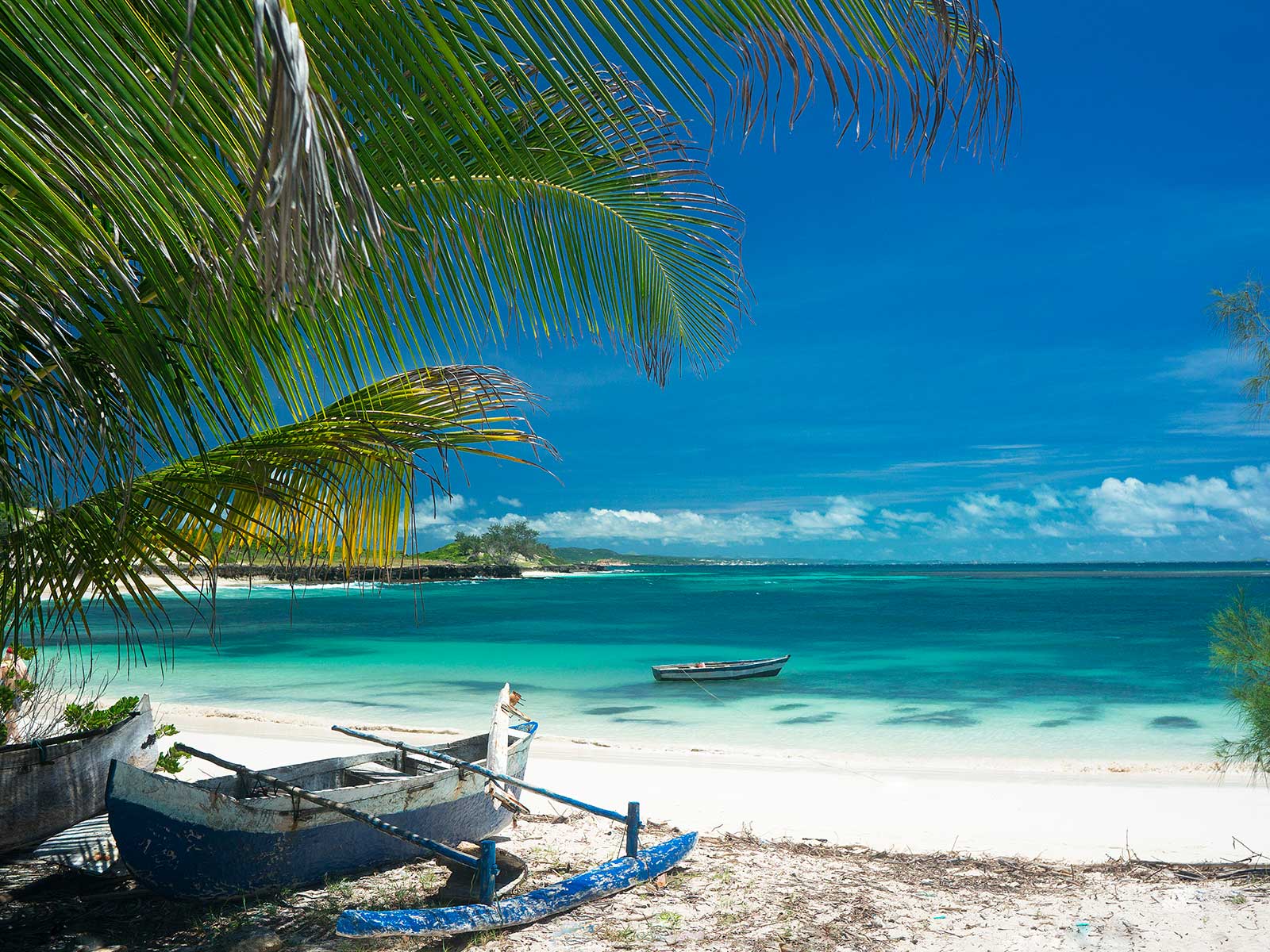
Snorkeling and diving in these marine parks reveal an underwater paradise. Expect to encounter vibrant coral gardens, an abundance of reef fish, sea turtles, and even rays. Kayaking through calm coves or along mangrove-lined estuaries offers a different perspective, allowing for peaceful encounters with coastal birds and the chance to observe the unique interplay between land and sea.
From June to September, Antongil Bay, bordering the Masoala Peninsula, becomes a crucial breeding ground for thousands of humpback whales. Boat trips during this period offer incredible opportunities for whale watching, a truly unforgettable experience as these majestic creatures breach and play in the warm waters.
Navigating the Red Island: Access and Logistics
Reaching Masoala is part of the adventure, reflecting Madagascar's identity as a remote and wild destination. The main gateway to the park is the town of Maroantsetra, accessible by domestic flight from Antananarivo.
- Getting There:From Maroantsetra, the journey to various lodges and park entry points on the Masoala Peninsula is typically by boat. Options range from traditional wooden pirogues (canoes) to faster speedboats, navigating the often-choppy waters of Antongil Bay. This boat journey offers stunning coastal views, occasionally revealing glimpses of the distinctive red lateritic soil that gives Madagascar its "Red Island" moniker, contrasting beautifully with the lush green of the peninsula.
- Best Time to Visit:The dry season, roughly from September to December, is generally considered the best time for hiking and wildlife viewing, with less rain and clearer skies. However, the wet season (January to August) brings its own charm, with lush vegetation and fewer visitors, though some trails may be impassable. Whale watching is best from June to September.
- Accommodation:A range of eco-lodges and basic bungalows are scattered along the peninsula, offering varying levels of comfort. Many are strategically located to provide direct access to park trails and marine activities. Camping is also an option for the more adventurous.
- Guides and Permits:It is mandatory to hire a local guide for any visit to Masoala National Park. These guides are invaluable, not only for their expertise in spotting wildlife but also for their deep understanding of the local culture and environment. Park permits must be obtained, usually arranged through your lodge or tour operator.
Beyond the Main Park: Exploring the Masoala Peninsula
The Masoala experience extends beyond guided treks and marine excursions. Engaging with the local communities, predominantly Betsimisaraka, offers insights into their traditional way of life. Many lodges work closely with villages, providing opportunities for cultural exchange, supporting local economies through ecotourism.
River trips inland can reveal different facets of the rainforest ecosystem, while walks to nearby villages provide a glimpse into the daily routines of the Malagasy people. Exploring the coastline might lead you to secluded beaches perfect for relaxation after a day of adventure.
Why Masoala Stands Out: A Unique Madagascar Experience
Masoala National Park offers a truly immersive and adventurous experience, distinct from other Malagasy parks. Its unique combination of pristine rainforest directly meeting coral reefs creates unparalleled biodiversity and a diverse range of activities. While Tsingy de Bemaraha captivates with its dramatic limestone karsts, and Andasibe-Mantadia National Park offers easier lemur sightings, Masoala appeals to those seeking a more rugged, multi-faceted encounter with Madagascar's natural wonders.
Visiting Masoala is an opportunity to contribute to the conservation of one of the world's most vital biodiversity hotspots and support the livelihoods of local communities. It is an adventure for the intrepid traveler, promising rich rewards in wildlife encounters, breathtaking landscapes, and an unforgettable journey into the heart of Madagascar's wild beauty.