
Madagascar Photography Guide: Capturing the Magic
Madagascar, an island nation unlike any other, presents an unparalleled canvas for photographers. From its surreal landscapes and unique wildlife to its vibrant culture, every corner offers a compelling story waiting to be captured through your lens.
Why Madagascar is a Photographer's Dream
Often referred to as the "Eighth Continent," Madagascar boasts an extraordinary level of endemism, meaning most of its flora and fauna are found nowhere else on Earth. This biological richness, combined with dramatic geological formations, pristine coastlines, and a captivating cultural tapestry, makes it a truly unique destination for any photographer. The challenge and reward lie in translating its raw, untamed beauty into stunning visual narratives.
Essential Gear for Your Malagasy Adventure
Preparing your camera kit is crucial for a successful photography trip to Madagascar. The diverse environments demand versatile equipment.
- Camera Body:A reliable DSLR or mirrorless camera with good low-light performance is ideal. Consider a secondary body for backup or different lens setups.
- Lenses:
- Telephoto Lens (e.g., 70-200mm, 100-400mm):Indispensable for capturing wildlife like lemurs, chameleons, and birds from a respectful distance in parks such as Andasibe-Mantadia National Park or Masoala National Park.
- Wide-Angle Lens (e.g., 16-35mm):Perfect for expansive landscapes, including the majestic Avenue of the Baobabs or the labyrinthine Tsingy de Bemaraha.
- Standard Zoom Lens (e.g., 24-70mm):A versatile choice for general travel, portraits, and street photography.
- Macro Lens:For the island's incredible insects, frogs, and smaller chameleons.
- Accessories:
- Tripod:Essential for low-light shots, landscapes, and long exposures.
- Extra Batteries:Power sources can be scarce; carry at least three charged batteries.
- Memory Cards:High-capacity and multiple cards are recommended.
- Weather Protection:Rain covers for your camera and waterproof bags for your gear are vital, especially during the wet season.
- Cleaning Kit:Dust and humidity are common.
- Headlamp:Useful for night walks to spot nocturnal creatures.
Mastering Light in the Tropics
Madagascar's equatorial sun can be intense. Understanding how to work with the light is key to great images.
- Golden Hour:The periods just after sunrise and before sunset offer soft, warm light perfect for landscapes and portraits. The Avenue of the Baobabs, for instance, is breathtaking at dawn or dusk.
- Harsh Midday Sun:Avoid direct, overhead sun if possible. If you must shoot, look for open shade, use fill flash, or focus on details where strong shadows can add drama.
- Low Light:Many of Madagascar's unique creatures are nocturnal. A fast lens, high ISO capabilities, and a sturdy tripod will be your allies for capturing them during night walks.
Wildlife Photography Tips
Madagascar is synonymous with wildlife, especially lemurs and chameleons. Patience and respect are paramount.
Madagascar is home to over 100 species and subspecies of lemurs, nearly all of which are found only on the island. Patience and a good telephoto lens are key to capturing these charismatic primates in their natural habitat.
- Patience is a Virtue:Wildlife moves on its own schedule. Be prepared to wait, observe, and anticipate.
- Focus on the Eyes:Sharp eyes bring wildlife portraits to life.
- Respect Distance:Never disturb or approach animals too closely. A good guide will help you maintain a safe and ethical distance.
- Pre-focus:In dense forest environments, pre-focusing on branches where animals are likely to appear can save precious seconds.
- Utilize Guides:Local guides in parks like Ankarafantsika Nature Reserve or Andasibe-Mantadia National Park are invaluable for spotting elusive species and understanding their behavior.
Landscape Photography Highlights
The island's diverse topography offers endless opportunities for stunning landscape shots.
- The Baobabs:The iconic Avenue of the Baobabs near Morondava is a must-capture. Experiment with wide-angle shots to convey their grandeur, and consider long exposures for star trails above them at night.
- The Tsingy:The razor-sharp limestone pinnacles of Tsingy de Bemaraha are an otherworldly sight. Focus on capturing the unique textures and the scale of this geological marvel.
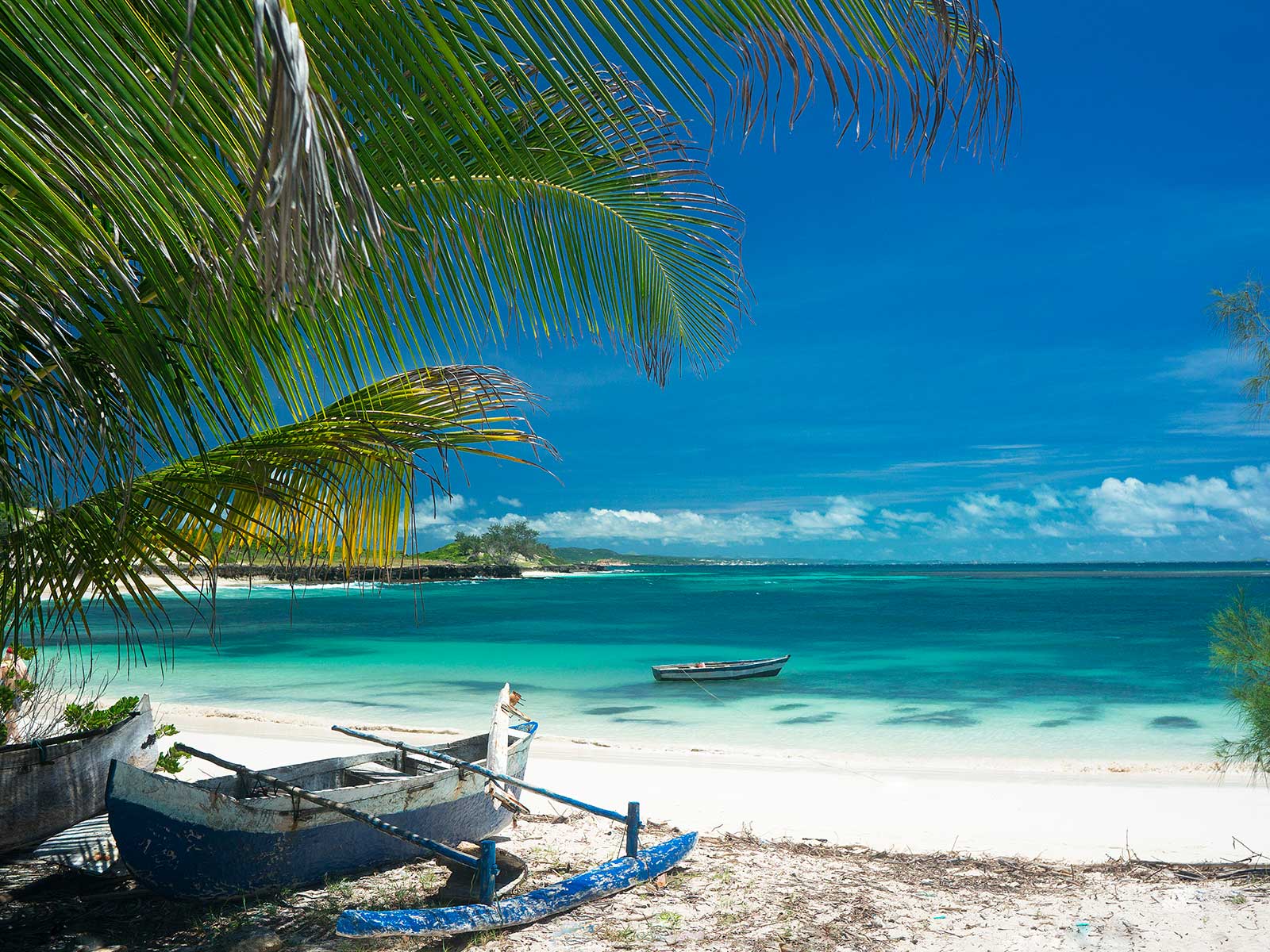
- Coastlines and Islands:From the idyllic beaches of Nosy Be to the luxurious shores of Tsarabanjina, Madagascar's coast offers turquoise waters, vibrant fishing villages, and dramatic sunsets.
- Rice Paddies:The terraced rice fields in the highlands provide beautiful patterns and reflections, especially after rain.
Capturing Culture and People
The Malagasy people are incredibly welcoming, and their vibrant culture offers rich photographic material.
- Ask Permission:Always ask for permission before photographing individuals, especially children. A simple "Azafady, afaka maka sary ve?" (Excuse me, may I take a photo?) goes a long way.
- Engage and Respect:Take a moment to interact before lifting your camera. Show genuine interest in their daily lives.
- Market Scenes:Bustling markets are a feast for the eyes and offer dynamic street photography opportunities.
- Traditional Life:Documenting traditional ceremonies, crafts, or daily routines, such as those found around historical sites like Ambohimanga, provides powerful cultural insights.
Underwater Photography
With its extensive coral reefs and diverse marine life, Madagascar is also a fantastic destination for underwater photographers.
- Snorkelling and Diving:Areas like Nosy Sakatia(known for its sea turtles) or the reefs around Nosy Be offer incredible visibility and marine biodiversity.
- Housing and Strobes:Invest in a good waterproof housing for your camera and consider external strobes for vibrant colors.
- Buoyancy Control:Practice good buoyancy to avoid damaging delicate corals and to get stable shots.
Ethical Photography Practices
Responsible tourism extends to photography. Always prioritize the well-being of the environment, wildlife, and local communities.
- Leave No Trace:This applies to your physical presence and your photographic impact.
- Respect Wildlife:Do not use flash on nocturnal animals, do not feed them, and maintain a safe distance.
- Cultural Sensitivity:Be mindful of local customs and always seek consent.
Practical Tips for a Smooth Shoot
- Power and Storage:Carry multiple power banks and external hard drives for backup.
- Dust and Humidity:These are constant challenges. Keep your gear sealed when not in use.
- Travel Insurance:Protect your valuable equipment.
- Local Guides:They are indispensable for navigation, translation, and finding photographic subjects.
- Be Flexible:Madagascar travel can be unpredictable. Embrace the unexpected.
Post-Processing Your Malagasy Masterpieces
Once you've returned, judicious post-processing can truly bring your Madagascan images to life. Enhance colors, adjust contrast, and sharpen details to reflect the vividness and wonder of your experiences. Remember, the goal is to enhance, not to alter the authenticity of the moment.
Conclusion
Madagascar is a destination that will challenge and inspire every photographer. With careful planning, the right gear, and a respectful approach, you can capture truly magical images that tell the unique story of this extraordinary island. Prepare to be amazed, and let your lens capture the soul of Madagascar.