
Madagascar Packing List: What to Bring for Your Adventure
Madagascar, the world's fourth-largest island, promises an adventure unlike any other, from its unique wildlife and lush rainforests to pristine beaches and dramatic landscapes. Preparing for such a diverse destination requires thoughtful packing to ensure comfort, safety, and readiness for all experiences. This comprehensive guide will help you compile the ultimate Madagascar packing list, ensuring you're well-equipped for an unforgettable journey.
Essential Documents and Money
Before you even think about clothes or gear, ensure your vital documents are in order. Keep copies of everything, both digital (on your phone, cloud storage) and physical, stored separately from the originals.
- Passport and Visa:Ensure your passport has at least six months of validity beyond your intended stay and that you have the necessary visa (obtained in advance or upon arrival, depending on your nationality).
- Flight Tickets and Accommodation Bookings:Keep printouts or digital copies accessible.
- Travel Insurance:Comprehensive travel insurance covering medical emergencies, evacuations, trip cancellations, and lost luggage is highly recommended.
- Photocopies:Extra passport photos can be useful for various applications.
- Money:The local currency is the Malagasy Ariary (MGA). While major cities might accept credit cards in larger establishments, cash is king, especially in rural areas. Bring a mix of smaller denominations and larger notes, along with a debit/credit card for emergencies and ATM withdrawals (check with your bank about international fees).
- Driver's License & International Driving Permit (if applicable):If you plan to rent a vehicle.
Clothing: Layering for Diversity
Madagascar's climate varies significantly across regions and seasons. The key to successful packing is layering with lightweight, breathable, and quick-drying fabrics.
For Wildlife Encounters & Hiking
Many of Madagascar's highlights involve exploring its incredible natural parks, home to unique wildlife like lemurs, chameleons, and diverse bird species. Whether you're trekking through the rainforests of Masoala National Park or navigating the karst formations of Tsingy de Bemaraha, sturdy gear is essential.
- Long-sleeved Shirts and Trousers:Protect against sun, insects, and scratches from vegetation. Opt for light colours, as dark colours can attract mosquitoes.
- Sturdy Hiking Boots:Waterproof and comfortable, with good ankle support, are crucial for uneven and potentially muddy trails in places like Andasibe-Mantadia National Park or Ankarafantsika Nature Reserve.
- Rain Jacket or Poncho:Essential for sudden downpours, especially during the wet season or in rainforest areas.
- Gaiters:Useful for keeping mud, dirt, and leeches out of your boots, particularly in wet forest conditions.
- Swimwear:Even if you're focused on wildlife, many lodges have pools, and some treks lead to waterfalls.
Fun Fact:Madagascar is home to over 100 species and subspecies of lemurs, all endemic to the island. Binoculars are invaluable for spotting these elusive creatures!
For Coastal Relaxation & City Strolls
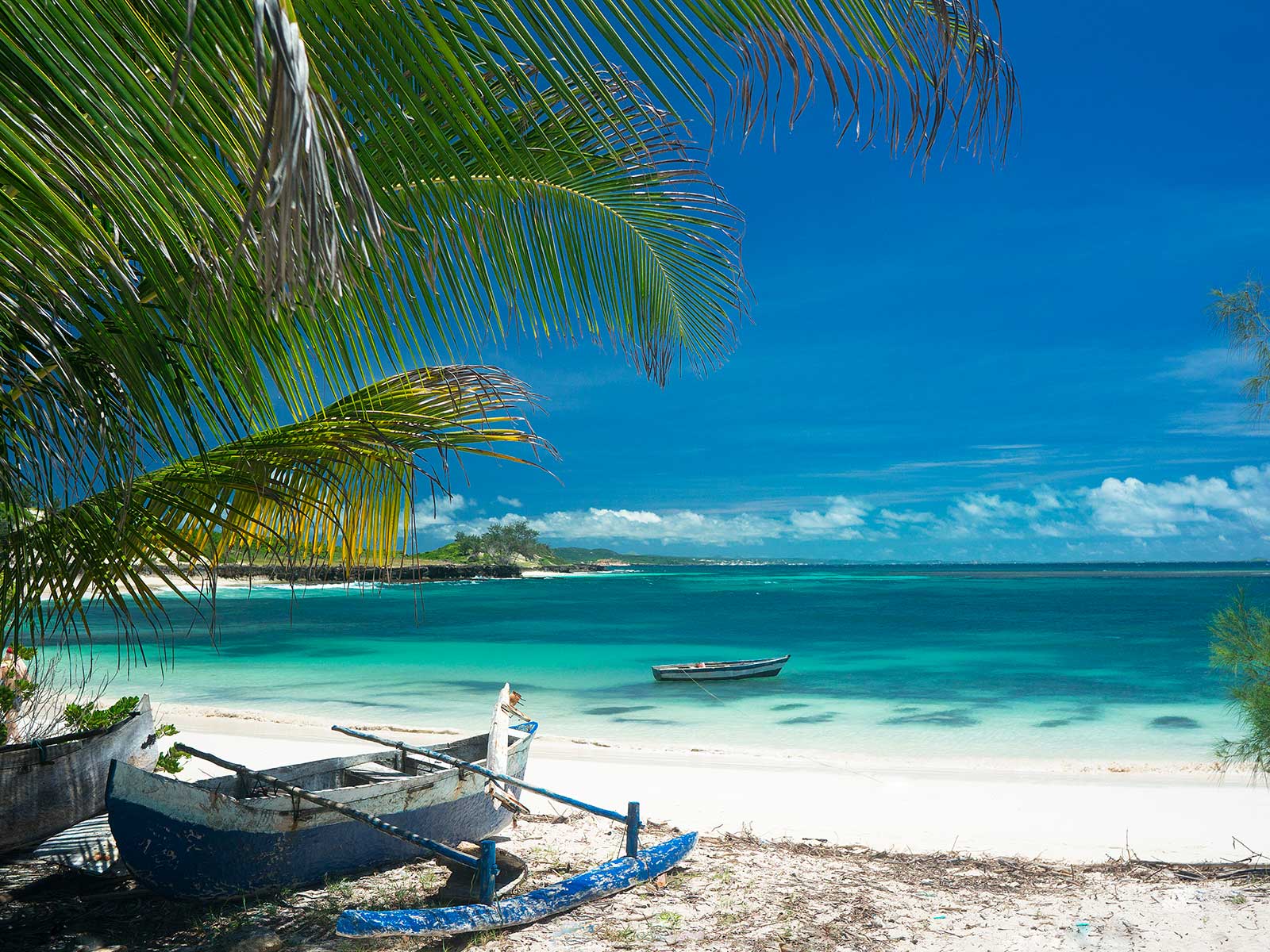
When you're not deep in the jungle, you'll likely be enjoying the stunning coastline or exploring vibrant towns. Destinations like Nosy Be,Tsarabanjina, or Nosy Sakatia call for lighter attire.
- Light Dresses, Shorts, T-shirts:Comfortable and casual wear for warm days.
- Sandals or Flip-flops:Perfect for beaches and casual walking.
- Sun Hat or Cap:Crucial for sun protection, especially when visiting open areas like the Avenue of the Baobabs.
- Beach Towel:A quick-drying travel towel is ideal.
Evening & Cooler Temperatures
Evenings, especially in the highlands or during the cooler dry season (May-October), can get chilly.
- Light Sweater or Fleece:A warm layer is recommended for cooler nights or air-conditioned accommodations.
- Long Trousers:Can also offer protection from mosquitoes in the evening.
Health & Safety Essentials
Being prepared for health concerns is paramount for any international adventure.
- Comprehensive First-Aid Kit:Include band-aids, antiseptic wipes, pain relievers, anti-diarrhea medication, rehydration salts, allergy medicine, and any personal prescription medications (with a copy of the prescription).
- Insect Repellent:A high-DEET repellent is crucial for protection against mosquitoes, which can carry malaria and other diseases.
- Sunscreen:High SPF (30+) is a must due to the strong equatorial sun.
- Hand Sanitizer:For hygiene on the go, especially before meals.
- Water Purification:Consider purification tablets, a filter bottle, or a UV purifier, as tap water is generally not safe to drink.
- Mosquito Net:While many accommodations provide them, a lightweight travel net can offer extra peace of mind.
- Anti-malarial Medication:Consult your doctor about appropriate prophylaxis before your trip.
Gear & Gadgets
Capture your memories and stay connected.
- Camera Gear:A good camera with extra batteries and plenty of memory cards. A waterproof bag can protect it in rainforest environments.
- Power Bank:Reliable power sources can be scarce in remote areas.
- Universal Travel Adapter:Madagascar uses Type C, E, and F sockets (two or three round pins).
- Headlamp or Flashlight:Essential for power outages, walking at night, or spotting nocturnal animals on guided tours.
- Binoculars:A must-have for wildlife spotting, especially for lemurs and birds.
- Dry Bag:Indispensable for protecting electronics and valuables during boat trips or in humid rainforests.
- Daypack:A small, comfortable backpack for daily excursions, carrying water, snacks, camera, and a rain jacket.
Toiletries & Personal Items
- Biodegradable Toiletries:Help minimize your environmental impact.
- Travel Towel:Lightweight and quick-drying.
- Sunglasses:Protect your eyes from the strong sun.
- Reading Material/Entertainment:For downtime during travel or evenings.
- Small Backpack/Duffel Bag:Easier to transport than rigid suitcases, especially on smaller planes or rough roads.
Sustainability & Responsible Travel
Madagascar's unique ecosystems are fragile. Pack with sustainability in mind.
- Reusable Water Bottle:Reduce plastic waste by refilling purified water.
- Reusable Shopping Bag:Decline plastic bags whenever possible.
- Minimize Plastic:Try to avoid single-use plastics throughout your trip.
Special Considerations
Wet Season (November to April)
During this period, expect higher humidity and frequent, heavy rainfall. Some roads may become impassable, and certain parks might close. Pack extra waterproof gear, sturdy mud-resistant footwear, and consider bringing gaiters.
Dry Season (May to October)
This is generally considered the best time to visit, with less rain and cooler temperatures. However, it can still be hot in coastal areas and chilly in the highlands, especially at night. Pack layers and be prepared for dusty conditions on unpaved roads.
Cultural Sensitivity
Madagascar has a rich culture and strong traditions (Fady). When visiting local villages or sacred sites like Ambohimanga, dress modestly (shoulders and knees covered). Always ask for permission before taking photos of people.
A Final Piece of Advice
While this list is comprehensive, remember that flexibility is key. Madagascar is an island of incredible beauty and unexpected adventures. Pack light but wisely, embrace the spirit of discovery, and be ready to adapt. Your meticulous preparation will allow you to fully immerse yourself in the magic of this extraordinary destination.