
Ambohimanga Rova: A UNESCO World Heritage Site in Madagascar
Nestled amidst the lush highlands of Madagascar, just a short drive from the bustling capital of Antananarivo, lies Ambohimanga Rova – a site of profound historical and cultural significance. This fortified royal city, meaning "Blue Hill," stands as the most important symbol of the Merina Kingdom and a testament to Madagascar's rich heritage, earning its place as a UNESCO World Heritage Site.
A Glimpse into Royal Malagasy History
Ambohimanga is far more than just a collection of ancient buildings; it is a living monument that embodies the history, spirituality, and identity of the Malagasy people. For over 500 years, it served as the royal city, sacred hill, and burial ground for the succession of kings and queens who unified Madagascar under the Merina dynasty. Its strategic location, commanding views, and natural defenses made it an ideal power base.
The site's importance grew significantly under King Andrianampoinimerina (1787-1810), who established it as his capital and initiated many of the constructions visible today. His reign marked a pivotal period in Madagascar's history, laying the groundwork for the island's eventual unification. Ambohimanga remained a sacred and forbidden city until the French colonization in 1895, after which the royal tombs were moved to Antananarivo, though its spiritual significance endured.
In 2001, UNESCO recognized Ambohimanga Rova as a World Heritage Site, citing its outstanding universal value as "the most significant symbol of the cultural identity of the Merina people of Madagascar and of the monarchy to which they gave rise." It represents the highest expression of Malagasy architectural tradition and spiritual belief.
Exploring the Sacred Hill: What to See
A visit to Ambohimanga Rova is a journey back in time, offering a tangible connection to Madagascar's royal past. The complex is divided into an upper and lower enclosure, each with distinct features. A local guide is highly recommended to fully appreciate the intricate details and stories behind each structure.
The Royal Village (Rova)
The heart of Ambohimanga is the royal village, protected by a series of impressive stone walls, deep trenches (hadivory), and seven fortified gates, each constructed from a massive stone disk rolled into place daily. The main entrance, calledAmbatomitsangana, is particularly striking.
- Mahandrihono Compound:This is the oldest part of the Rova, featuring the house of King Andrianampoinimerina. The building, constructed primarily of rosewood, showcases traditional Merina architecture. Inside, you'll find royal artifacts, furniture, and personal effects, offering insight into the daily life of royalty.
- Fandriana (Royal Sleeping House):Adjacent to the main palace, this simpler wooden structure served as the sleeping quarters. Its design reflects the hierarchy and customs of the time.
- Royal Bath (Fasina):A stone pool fed by a natural spring, used for purification rituals. The water from this spring is still considered sacred by many.
- Royal Tombs:Although the most prominent royal tombs were relocated, the site still contains ancestral burial places and sacred stones, which are central to traditional Malagasy practices.
- Sacred Trees (Ficus rubra):Numerous ancient fig trees dot the landscape, considered sacred and often adorned with offerings. These trees play a vital role in traditional ceremonies.
The Sacred Forest and Surroundings
Beyond the Rova walls, the sacred forest (Ala Masina) envelops the hill. This forest is home to various endemic plant species and is an integral part of Ambohimanga's spiritual landscape. Walking paths wind through the trees, leading to other sacred sites and offering panoramic views of the surrounding countryside.
Travel Tip:Wear comfortable walking shoes. The pathways within Ambohimanga Rova can be uneven, and exploring the full site involves some uphill walking. Bring water, especially on warm days, and sun protection.
Cultural and Spiritual Importance Today
Ambohimanga is not merely a historical relic; it remains a vibrant center of pilgrimage and traditional ceremonies for many Malagasy people. Locals often visit the site to pay homage to their ancestors, seek blessings, or perform traditional rituals. This enduring spiritual connection makes Ambohimanga a uniquely powerful and living heritage site.
Visitors are encouraged to observe and respect these traditions. Photography is generally permitted in most areas, but always ask your guide if unsure, especially when people are engaged in religious practices. Entering the royal buildings sometimes requires removing your shoes, a sign of respect.
Planning Your Visit to Ambohimanga
Ambohimanga Rova is conveniently located about 21 kilometers (13 miles) northeast of Antananarivo, making it an easy day trip from the capital.
- Getting There:The most straightforward way to reach Ambohimanga is by taxi or private car hire from Antananarivo. The drive typically takes 45 minutes to an hour, depending on traffic. You can also take a shared taxi (taxi-brousse) to the nearby village and then walk or take a local taxi up the hill.
- Best Time to Visit:Madagascar's dry season, from April to October, generally offers the most pleasant weather for exploring. However, Ambohimanga is accessible year-round. Weekdays might be less crowded than weekends.
- Guides:Hiring a local, accredited guide at the entrance is highly recommended. Their knowledge of the site's history, legends, and cultural nuances will significantly enrich your experience.
- Duration:Allow at least 2-3 hours to fully explore the Rova complex and its immediate surroundings.
Beyond Ambohimanga: Expanding Your Madagascar Adventure
While Ambohimanga offers a profound immersion into Malagasy history and culture, Madagascar is an island of incredible diversity. Consider combining your historical exploration with other unique experiences:
- For wildlife enthusiasts, a visit to Andasibe-Mantadia National Park to spot lemurs, particularly the iconic Indri, is a must-do.
- Journey west to witness the otherworldly limestone formations of Tsingy de Bemaraha, another UNESCO World Heritage Site, or marvel at the iconic Avenue of the Baobabs near Morondava.
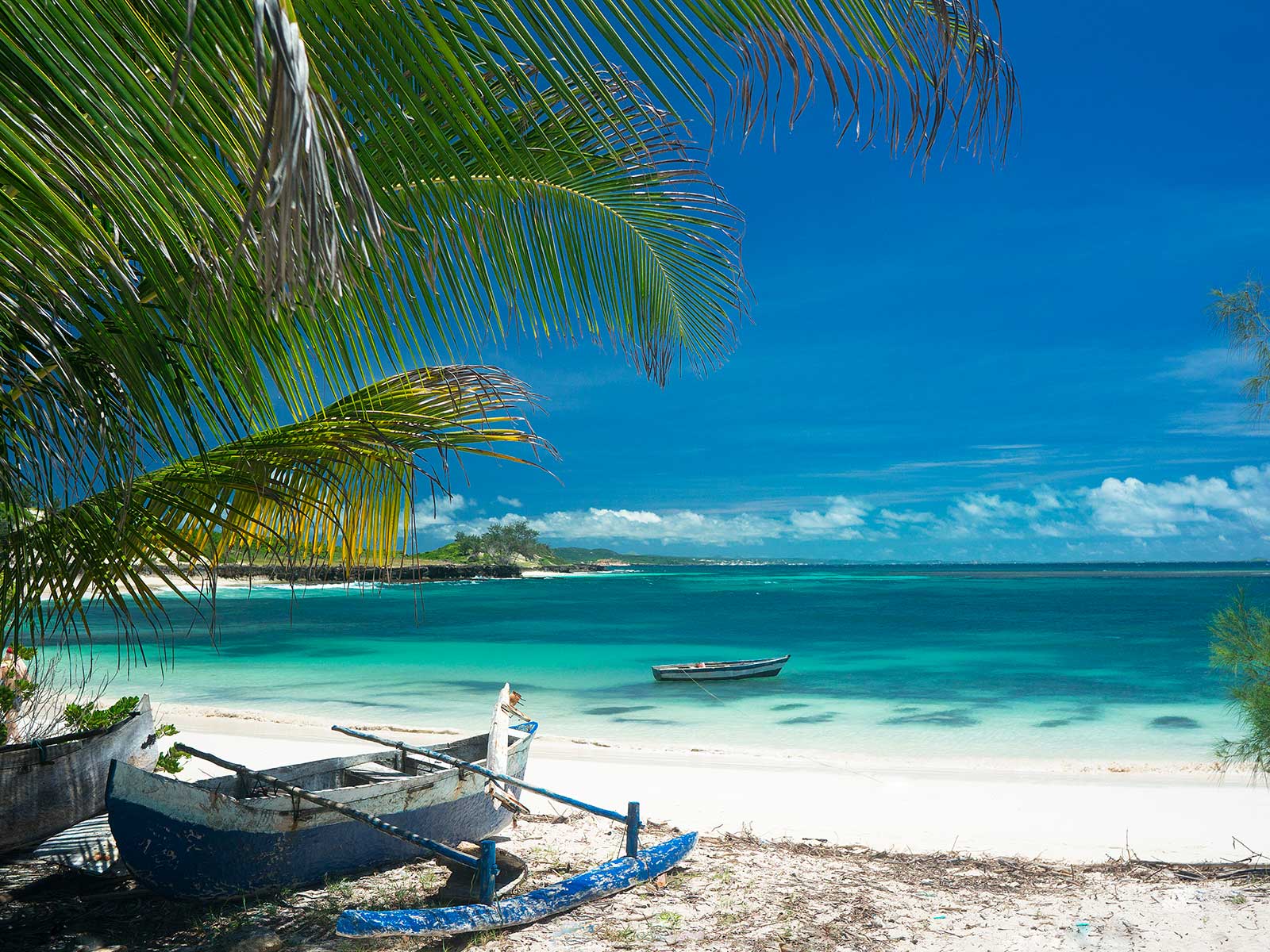
- If you're seeking relaxation on pristine beaches, the northern island of Nosy Be, with its turquoise waters and vibrant marine life, offers a perfect contrast to the historical highlands.
- Further nature exploration can be found at Ankarafantsika Nature Reserve, known for its lemurs and unique dry deciduous forest.
A Journey to the Heart of Malagasy Identity
Ambohimanga Rova offers a compelling journey into the heart of Malagasy history and spirituality. Its ancient walls, royal residences, and sacred groves whisper tales of kings, queens, and a people's enduring connection to their ancestral land. A visit here is not just a sightseeing tour; it's an immersive cultural experience that deepens your understanding of this remarkable island nation.