
Must-Try Luxembourgish Food: A Culinary Journey Through the Grand Duchy
Luxembourg, a small country with a grand culinary heart, offers a delightful fusion of French sophistication, German hearty portions, and its own unique traditions. Embark on a gastronomic adventure through the Grand Duchy, discovering a rich tapestry of flavors that tell the story of its history and people. From rustic comfort food to refined dining experiences, Luxembourgish cuisine promises an unforgettable taste of Europe.
The culinary landscape of Luxembourg is a testament to its unique position at the crossroads of Europe. Influenced heavily by its French and German neighbors, yet retaining a distinct identity, Luxembourgish food emphasizes fresh, seasonal ingredients, often sourced from local farms and rivers. It's a cuisine that values comfort, tradition, and a good appetite, perfect for fueling explorations of the country's charming towns and picturesque landscapes.
Hearty Main Courses: Savory Staples
Luxembourgish main dishes are renowned for their comforting, substantial nature, often featuring pork, potatoes, and seasonal vegetables. These are the dishes that warm you from the inside out.
Judd mat Gaardebounen (Smoked Collar of Pork with Broad Beans)
Considered the national dish,Judd mat Gaardebounenis a must-try for any visitor. This flavorful dish consists of tender smoked pork collar, slow-cooked and served with broad beans and boiled potatoes. The pork is typically cured and smoked, giving it a distinctive, rich flavor that pairs perfectly with the earthy notes of the beans. It’s a true representation of Luxembourgish comfort food.
Bouneschlupp (Green Bean Soup)
More than just a soup,Bouneschluppcan be a meal in itself. This thick, hearty green bean soup is often enriched with potatoes, smoked bacon, and sometimes even sausages or dumplings. It's a staple in Luxembourgish homes, especially during cooler months, offering a nourishing and deeply satisfying experience.
Friture de la Moselle (Fried Fish from the Moselle)
Given Luxembourg's proximity to the Moselle River, fresh fish plays a significant role in its cuisine.Friture de la Mosellerefers to small, freshly caught fish from the Moselle, lightly battered and deep-fried until golden and crispy. These delightful bites are typically served with lemon wedges and a side of tartar sauce, making them a popular choice in the charming towns along the river, such as those near Haff Reimech.
Träipen (Blood Sausage)
A traditional winter dish,Träipenis a type of blood sausage, often served pan-fried with mashed potatoes and applesauce. While it might sound adventurous to some, it's a beloved classic for many Luxembourgers, offering a rich and savory flavor profile that is surprisingly balanced by the sweet applesauce.
Kachkéis (Cooked Cheese)
This unique, spreadable cooked cheese is a staple in Luxembourgish households. Made from quark, it's often flavored with caraway seeds and served on a slice of dark bread, sometimes with a raw onion ring. It’s a simple, yet intensely flavorful snack or light meal, best enjoyed with a local beer.
Sides, Snacks, and Savory Pastries
No Luxembourgish meal is complete without its accompanying sides, and the country also boasts a range of delicious snacks and savory pastries perfect for any time of day.
Gromperekichelcher (Potato Fritters)
These crispy potato fritters are a ubiquitous presence at markets, festivals, and traditional eateries across Luxembourg, especially in places like Luxembourg Old Town. Made from grated potatoes, onions, and parsley, then deep-fried until golden brown,Gromperekichelcherare addictive. They're often served with applesauce or even a savory herb dip.
Kniddelen (Dumplings)
Luxembourgish dumplings, orKniddelen, come in various forms, but the most common are flour-based and often served with a creamy bacon sauce. They are wonderfully soft and comforting, a hearty side or even a main course when served with enough sauce and perhaps some fried onions.
Rieslingspaschtéit (Riesling Pate in Pastry)
This elegant savory pie is a true Luxembourgish specialty. A rich pate, typically made with pork and veal, is baked inside a flaky pastry crust, often with a delicate hint of local Riesling wine. It’s a popular item in bakeries and delis, perfect for a picnic lunch or a sophisticated appetizer.
Tip:Look forRieslingspaschtéitin local bakeries and delis around Luxembourg Old Town. It's a perfect grab-and-go option for a delicious and authentic taste of Luxembourg.
Sweet Indulgences: Desserts and Pastries
Luxembourg's baking traditions are as rich and inviting as its savory dishes, offering a delightful array of cakes, tarts, and seasonal treats.
Quetschentaart (Plum Tart)
A seasonal favorite, particularly in late summer and early autumn,Quetschentaartis a simple yet exquisite plum tart. Sweet, ripe plums are arranged on a shortcrust pastry base and baked until the fruit is tender and the crust golden. It’s often served warm, perhaps with a dollop of cream.
Äppelkuch (Apple Cake)
The humble apple cake is a beloved classic, found in many Luxembourgish cafes and homes. Moist, sweet, and comforting,Äppelkuchis the perfect accompaniment to an afternoon coffee.
Boxemännercher (Brioche Men)
These delightful brioche figures, shaped like little men, are a traditional treat around St. Nicholas Day (December 6th). Lightly sweetened and often decorated with raisins, they are a charming and delicious seasonal pastry.
Luxembourgish Drinks: From Vineyards to Breweries
No culinary journey is complete without sampling the local beverages. Luxembourg boasts a proud tradition of winemaking and a growing craft beer scene.
Luxembourgish Wines and Crémant
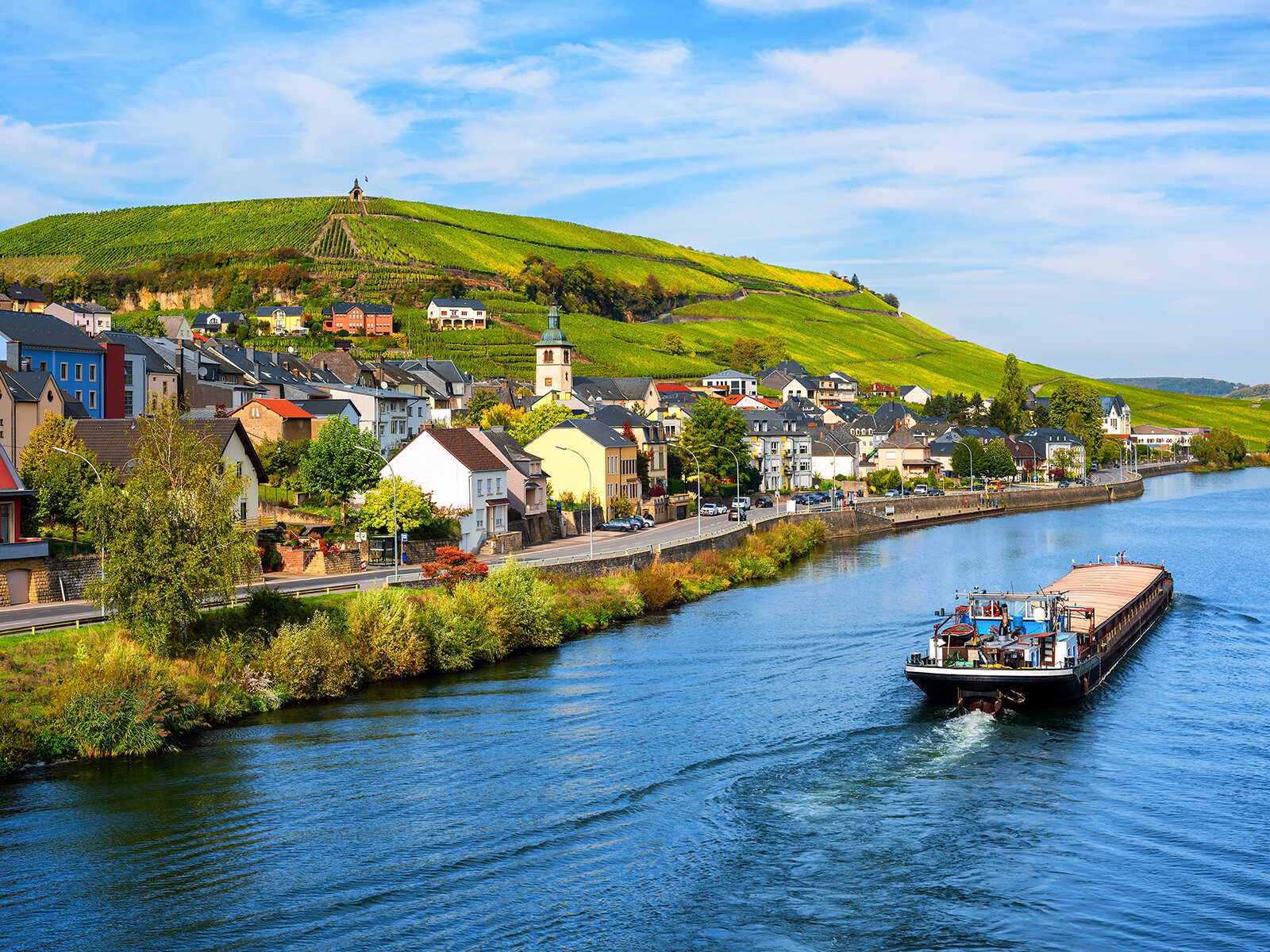
The Moselle Valley is the heart of Luxembourg's wine country. The region produces excellent white wines, particularly crisp Rieslings, elegant Pinot Gris, fragrant Auxerrois, and refreshing Elbling. Luxembourg is also renowned for its sparkling wine,Crémant de Luxembourg, which consistently wins international awards. Visiting a vineyard or a wine cellar along the Moselle is a highly recommended experience.
Local Beers
While wine often takes the spotlight, Luxembourg has a strong beer-drinking culture with several local breweries producing a range of lagers, pilsners, and specialty brews. You'll find a good selection of local beers in most restaurants and pubs throughout the country, including bustling areas like Kirchberg.
Where to Savor Luxembourgish Flavors
To truly experience Luxembourgish cuisine, seek out traditional restaurants, often calledWirtschaftenorBrasseries. These establishments pride themselves on serving authentic dishes in a cozy, welcoming atmosphere. In Luxembourg Old Town, you'll find a mix of traditional eateries and modern bistros that reinterpret classic dishes.
Don't overlook local markets for fresh produce and prepared foods, especially on market days. Bakeries are excellent for morning pastries, coffee, and savory items likeRieslingspaschtéit. For a taste of regional specialties, venture beyond the capital. Towns like Vianden or those nestled in the Mullerthal region offer charming local restaurants where you can enjoy traditional fare after a day of exploring.
Conclusion
Luxembourgish food is a delightful discovery for any traveler. It’s a cuisine that embraces its heritage while subtly incorporating European influences, resulting in a unique and utterly satisfying experience. From the hearty comfort ofJudd mat Gaardebounento the crisp elegance of a Moselle Riesling, every bite and sip tells a story. So, come hungry and prepare to be charmed by the Grand Duchy's rich and flavorful culinary landscape.