
Luxembourg's Architectural Wonders: From Medieval Castles to Modern Marvels
Luxembourg, a small nation with a grand history, offers an astonishing journey through centuries of architectural evolution. From formidable medieval fortresses perched on rocky outcrops to sleek, contemporary structures defining its modern skyline, the Grand Duchy is a captivating canvas of design and heritage.
This article invites you to explore the diverse architectural landscape of Luxembourg, revealing how its buildings tell tales of resilience, power, and progress, making it a must-visit destination for enthusiasts of history and modern design alike.
A Journey Through Time: Medieval and Renaissance Masterpieces
The very fabric of Luxembourg's identity is woven with the stones of its medieval past. The country boasts an impressive array of castles and fortifications, remnants of a time when its strategic position made it a coveted territory.
Fortified Grandeur: Castles and Fortresses
Perhaps the most iconic example is Vianden Castle, a meticulously restored Romanesque and Gothic masterpiece that seems to grow organically from its rocky perch above the Our River. Its towers, chapels, and grand halls offer a vivid glimpse into the lives of medieval nobility.
Further south, the ruins of Medieval Castle Beaufort stand as a poignant reminder of past glories, allowing visitors to wander through its ancient walls and imagine the bustling life that once filled its courtyards. For those seeking more, the scenic Valley of the Seven Castles presents a picturesque route through rolling landscapes, dotted with a succession of historic strongholds, each with its unique story.
Luxembourg City's Historic Heart
The capital, Luxembourg City, is a UNESCO World Heritage site, largely due to its remarkable fortifications and the historic architecture of its Luxembourg Old Town. Here, you can descend into the Casemates du Bock, an intricate network of underground tunnels carved into the rock, which served as a vital defense system for centuries.
Above ground, the city's historic core reveals a blend of architectural styles. The Palais Grand-Ducal, the official residence of the Grand Duke, showcases a beautiful blend of Renaissance and Flemish architectural elements, particularly noticeable in its ornate façade and guard changes. Not far, the Cathédrale Notre-Dame stands as a stunning example of late Gothic architecture with Renaissance embellishments, featuring intricate stained glass and a serene crypt.
Did You Know?The fortifications of Luxembourg City were once considered among the strongest in Europe, earning it the nickname "Gibraltar of the North." Much of it was dismantled in the late 19th century under the Treaty of London.
Bridging Eras: 19th and Early 20th Century Grandeur
As Luxembourg transitioned from a fortress state to an independent nation, its architecture began to reflect a period of growth and confidence. The late 19th and early 20th centuries saw the construction of grand civic buildings and impressive infrastructure projects.
A prime example of this transitional period is the iconic Adolphe Bridge. Completed in 1903, this magnificent stone arch bridge, often considered an unofficial national symbol, epitomizes the engineering prowess and architectural ambition of its time. Its elegant design and impressive span connect the historic Ville Haute with the more modern Gare district, literally bridging the old and new parts of the city.
This era also witnessed the rise of Art Nouveau influences, subtly appearing in residential buildings and public spaces, adding a touch of decorative elegance to the more austere classical styles that had dominated for centuries.
Modern Marvels: The Future-Forward Face of Luxembourg
The late 20th and 21st centuries have brought a dramatic transformation to Luxembourg's architectural landscape, particularly on the Kirchberg plateau. Once a quiet rural area, Kirchberg has evolved into a striking district of modern architecture, home to European institutions, financial headquarters, and cultural venues.
Here, glass, steel, and innovative design take center stage. The area is a playground for contemporary architects, showcasing sleek lines, bold forms, and sustainable design principles. Among its most celebrated structures is the Philharmonie Luxembourg, an architectural masterpiece designed by Christian de Portzamparc. Its striking façade of numerous white columns and its acoustically perfect interior make it a landmark of modern design and a beacon for the arts.
Other notable contemporary buildings include the European Court of Justice, the European Investment Bank, and various corporate headquarters, all contributing to Kirchberg's reputation as a hub of cutting-edge design. This district perfectly illustrates Luxembourg's commitment to innovation and its forward-looking vision.
Beyond the City: Architectural Gems in the Regions
While Luxembourg City and its immediate surroundings offer a concentrated dose of architectural wonders, the country's regions also hold their own charm and distinct building traditions.
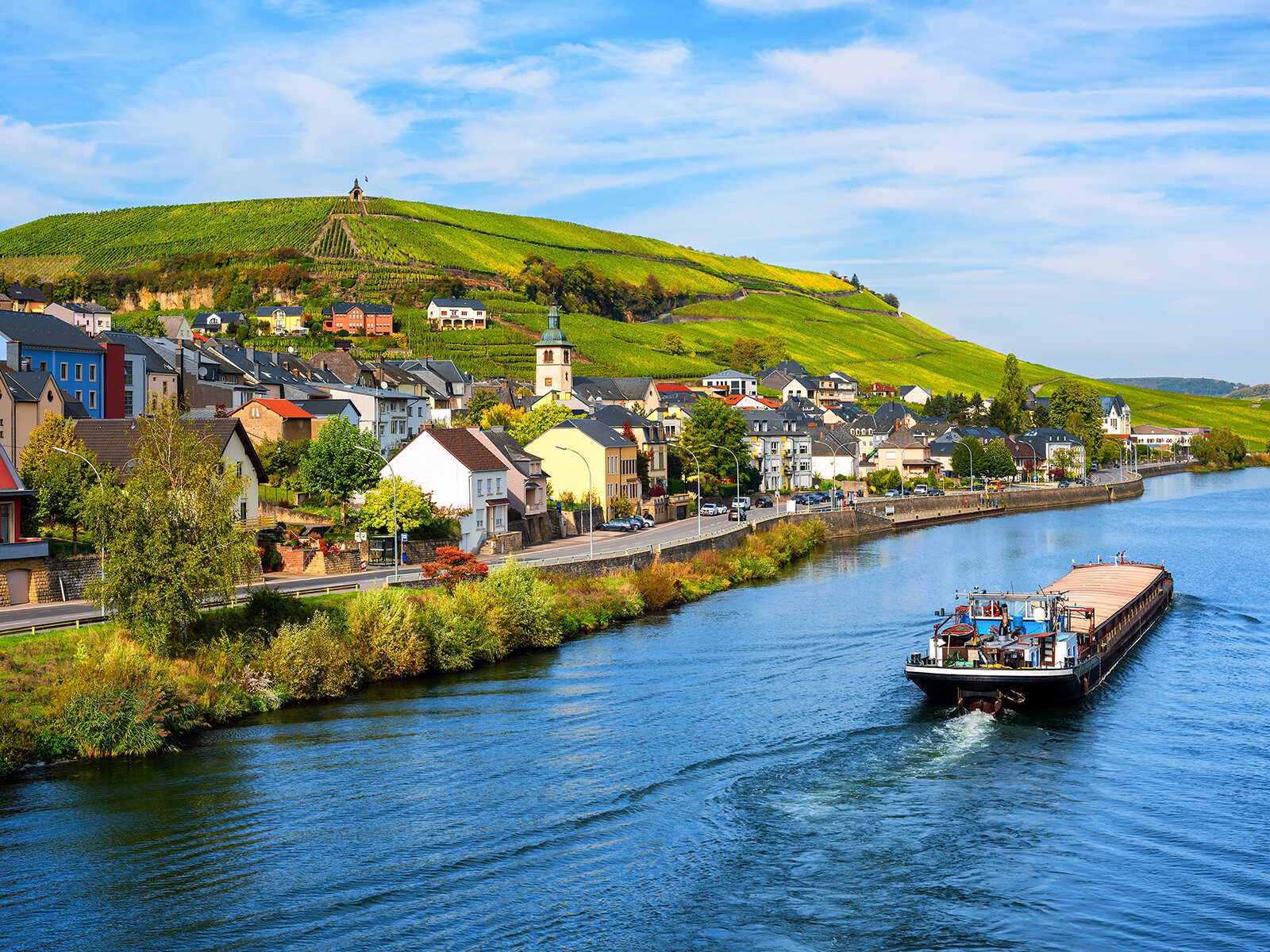
In areas like Mullerthal, often called "Little Switzerland" for its unique rock formations, you'll find quaint villages with traditional farmhouses and churches that reflect centuries of rural life. Though not grand in scale, these structures offer a different perspective on Luxembourgish heritage, often built with local stone and timber, blending harmoniously with the natural environment.
Even functional structures in regions such as near the Upper-Sûre Lake have a local character, with traditional styles influencing modern amenities, ensuring a continuity of aesthetic even in new developments. While Haff Reimech is known for its natural beauty, its visitor center and surrounding structures often incorporate regional architectural elements that respect the local environment.
Planning Your Architectural Exploration
Luxembourg's compact size makes it incredibly easy to explore its diverse architectural tapestry. Consider the following tips for your visit:
- Walking Tours:Many of the most significant architectural sites in Luxembourg City are within easy walking distance. Guided tours often highlight key buildings and provide historical context.
- Public Transport:Utilize Luxembourg's excellent and free public transport network to travel between districts, such as from the historic Ville Haute to the modern Kirchberg plateau.
- Contrast and Compare:Take time to appreciate the stark contrasts between the medieval fortifications and the sleek contemporary buildings. It's a unique aspect of Luxembourg's charm.
- Regional Visits:Dedicate a day or two to explore beyond the capital, venturing to places like Vianden Castle or the villages of Mullerthal to experience different facets of Luxembourgish architecture.
From the ancient stones of its castles to the shimmering facades of its modern institutions, Luxembourg offers an architectural journey unlike any other. It's a country that proudly preserves its past while boldly embracing the future, inviting visitors to witness this captivating dialogue between history and innovation firsthand.