
The Unique Architecture of Liechtenstein: From Medieval to Modern
Nestled between Switzerland and Austria, the tiny Principality of Liechtenstein offers a surprisingly rich tapestry of architectural styles. From ancient fortresses perched dramatically on mountain spurs to sleek, minimalist modern structures, its built environment tells a compelling story of centuries of history, culture, and innovation.
Liechtenstein's architecture is a testament to its enduring legacy as a sovereign principality, evolving from a collection of medieval strongholds to a forward-thinking nation embracing contemporary design. This journey through time reveals how external influences, local materials, and a strong sense of identity have shaped the country's unique aesthetic landscape.
Medieval Marvels: Castles and Fortifications
The earliest surviving architectural footprints in Liechtenstein are its formidable medieval castles, strategic defensive structures that once guarded crucial trade routes and defined the landscape. These stone giants stand as proud reminders of a bygone era, offering a glimpse into the principality's feudal past.
Vaduz Castle: The Princely Residence
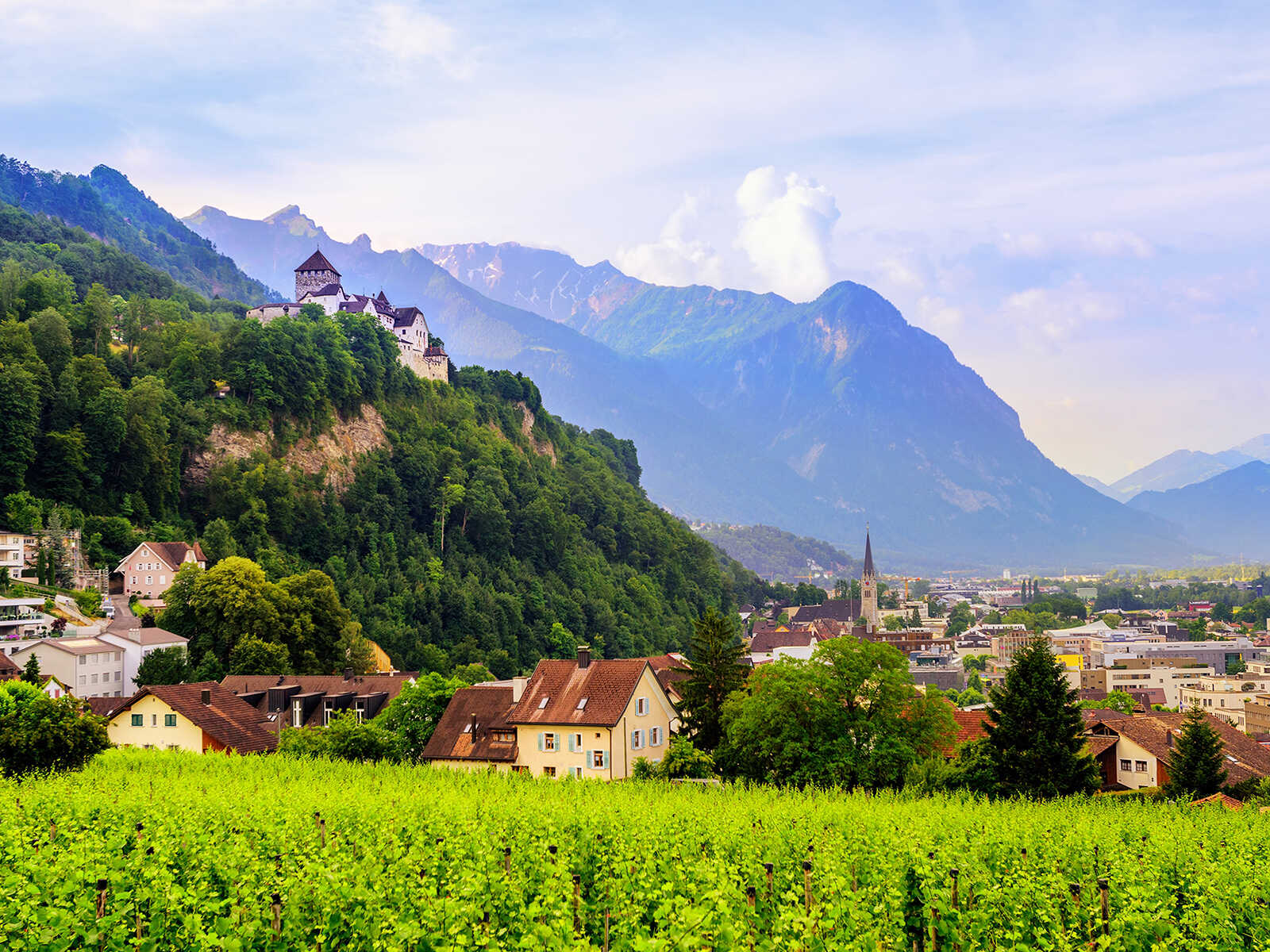
Dominating the capital,Vaduz Castle is arguably Liechtenstein's most iconic landmark. While its origins trace back to the 12th century, the castle has undergone numerous expansions and renovations over the centuries, reflecting various architectural styles from Romanesque to Gothic. Today, it serves as the official residence of the Princely Family and is not open to the public, but its imposing silhouette against the backdrop of the Alps is a breathtaking sight from the valley below. Its sturdy stone walls, battlements, and central keep are quintessential medieval features, embodying power and resilience.
Burg Gutenberg: A Preserved Stronghold
Further south, in the municipality of Balzers, stands Burg Gutenberg. This remarkably well-preserved medieval castle sits atop a solitary hill, offering panoramic views. Dating back to the High Middle Ages, it has retained much of its original character, with its ring walls, chapel, and rose garden. Unlike Vaduz Castle, Burg Gutenberg is partially accessible to the public, allowing visitors to explore its grounds and experience the authentic atmosphere of a medieval fortress. Its design prioritizes defense, with thick walls and a commanding position, characteristic of the era's military architecture.
Did you know?While Vaduz Castle is the official residence, the Princely Family hosts a national holiday celebration in its grounds every August 15th, inviting the public to participate in the festivities.
Traditional Alpine and Rural Architecture
Beyond the grand castles, Liechtenstein's valleys and mountain slopes are dotted with traditional rural architecture that speaks to its agricultural heritage. These buildings, often constructed from local materials like wood and stone, were designed for functionality, durability, and harmony with the alpine environment.
Chalet Style and Farmhouses
Traditional Liechtensteinian farmhouses and chalets often feature sturdy timber construction, gabled roofs designed to shed heavy snow, and sometimes intricate wood carvings. These structures were built to withstand harsh winters and provide warmth and shelter for families and livestock. The use of natural materials not only ensured practicality but also seamlessly blended the buildings into the stunning natural landscape.
The Alte Rheinbrücke: A Historic Crossing
Connecting Liechtenstein with Switzerland, the Alte Rheinbrücke(Old Rhine Bridge) is a prime example of historical wooden construction. This charming covered bridge, dating back to 1901, represents a vital piece of the region's infrastructure, built with traditional methods that have endured for over a century. It's a testament to the ingenuity and craftsmanship of the past, offering a pedestrian and cycling link that feels like a step back in time.
The Dawn of Modernity: 19th and Early 20th Century Influences
As Liechtenstein transitioned from an agrarian society to a more industrialized and service-oriented economy in the late 19th and early 20th centuries, its architecture began to reflect new influences. While retaining some traditional elements, buildings started to incorporate more refined details, larger windows, and a greater emphasis on civic function and public spaces.
Early examples of this shift can be seen in some of the older municipal buildings and villas in Vaduz, showcasing a blend of neoclassical and Art Nouveau elements, albeit in a more restrained, Alpine interpretation. These structures often feature stuccoed facades, decorative cornices, and a more symmetrical layout, signaling a move towards a more formal and urban aesthetic.
Contemporary Liechtenstein: A Hub of Modern Design
In recent decades, Liechtenstein has embraced modern and contemporary architecture with remarkable enthusiasm. Driven by economic prosperity and a desire to project a forward-looking image, the principality has become a showcase for cutting-edge design, particularly in its capital, Vaduz.
Sleek Structures in Vaduz
The modern architectural landscape of Vaduz is characterized by a bold use of glass, steel, and concrete, often combined with minimalist aesthetics and innovative forms. These buildings are not just functional; they are artistic statements, contributing to Liechtenstein's reputation as a center for art and culture.
- Kunstmuseum Liechtenstein:This striking black box, designed by Meinrad Morger, Heinrich Degelo, and Christian Kerez, is an iconic example of minimalist architecture. Its smooth, dark facade contrasts sharply with the surrounding traditional buildings, yet it commands attention as a significant cultural landmark.
- Hilti Art Foundation building:Adjacent to the Kunstmuseum, this building, designed by Morger + Dettli Architekten, complements its neighbor with a similar minimalist approach, creating a harmonious modern ensemble.
- Landtag des Fürstentums Liechtenstein:The Parliament Building, designed by Hansjörg Quaderer, is another superb example of contemporary design. Its distinctive façade and thoughtful integration into the urban fabric reflect the nation's commitment to transparent governance and modern aesthetics. The building subtly references traditional forms while employing modern materials and construction techniques.
Integration with the Landscape
A key characteristic of modern architecture in Liechtenstein is its thoughtful integration with the stunning natural environment. Architects often design buildings to maximize views of the Alps, incorporate natural light, and utilize sustainable materials and energy-efficient solutions. This approach ensures that even the most contemporary structures feel connected to the country's profound natural beauty.
Exploring areas like the Fürstensteig hiking trail helps visitors appreciate the dramatic topography that architects navigate. The challenging terrain not only inspires but also dictates design choices, leading to innovative solutions that harmonize the built environment with the majestic mountains.
Experiencing Liechtenstein's Architecture: A Practical Guide
To truly appreciate Liechtenstein's architectural diversity, a hands-on exploration is essential. Most of the notable structures are easily accessible, particularly in Vaduz.
- Walking Tours:The capital, Vaduz, is compact and walkable. Consider a self-guided architectural tour, starting from the Parliament Building, moving past the Kunstmuseum, and then heading up towards Vaduz Castle for a panoramic view.
- Public Transport:Buses connect various municipalities, making it easy to visit sites like Burg Gutenberg in Balzers or the Alte Rheinbrücke.
- Look Beyond the Obvious:Don't just focus on the grand landmarks. Take time to observe the details of residential buildings, churches, and smaller public spaces, which often reveal fascinating blends of old and new.
- Seasonal Visits:Each season offers a different perspective. Winter snow highlights the stark beauty of modern facades and the warmth of traditional timber, while summer greenery provides a vibrant backdrop to all architectural styles.
Conclusion
Liechtenstein's architectural journey from medieval fortresses to contemporary masterpieces is a captivating narrative of continuity and change. It showcases a nation proud of its heritage yet unafraid to embrace innovation. Whether you're drawn to the ancient allure of a castle or the sleek lines of modern design, Liechtenstein offers a unique and engaging architectural experience that perfectly complements its stunning alpine setting. It's a small country with a grand architectural story waiting to be discovered.