
Liechtenstein National Museum: Discovering the Principality's Heritage
Nestled in the heart of Vaduz, the Liechtenstein National Museum offers an immersive journey through the rich tapestry of the Principality's history, culture, and natural heritage. It serves as an essential starting point for anyone wishing to truly understand this unique Alpine nation.
The Liechtenstein National Museum, known locally as theLandesmuseum, is more than just a repository of artifacts; it's the principal custodian of the Principality's story. Housed in historical buildings, including a former princely tavern and a new extension, the museum seamlessly blends tradition with modern exhibition design. Its comprehensive collections span archaeology, history, natural history, and folklore, providing a holistic view of Liechtenstein from its earliest settlements to its present-day status as a prosperous, independent state. Visitors embark on a chronological and thematic exploration, encountering the forces that shaped this small yet significant European nation.
A Journey Through Time: Key Exhibition Areas
Prehistory and Early Settlements
The museum's ground floor often begins with an exploration of Liechtenstein's deep past. Discover fascinating archaeological finds that reveal human presence in the Rhine Valley dating back to the Stone Age. Exhibits showcase tools, pottery, and remnants from the Bronze and Iron Ages, illustrating the lives of early inhabitants. The Roman period is particularly well-represented, with artifacts from Roman settlements and fortifications, highlighting Liechtenstein's strategic location within the Roman Empire.
Medieval Foundations and Princely Rule
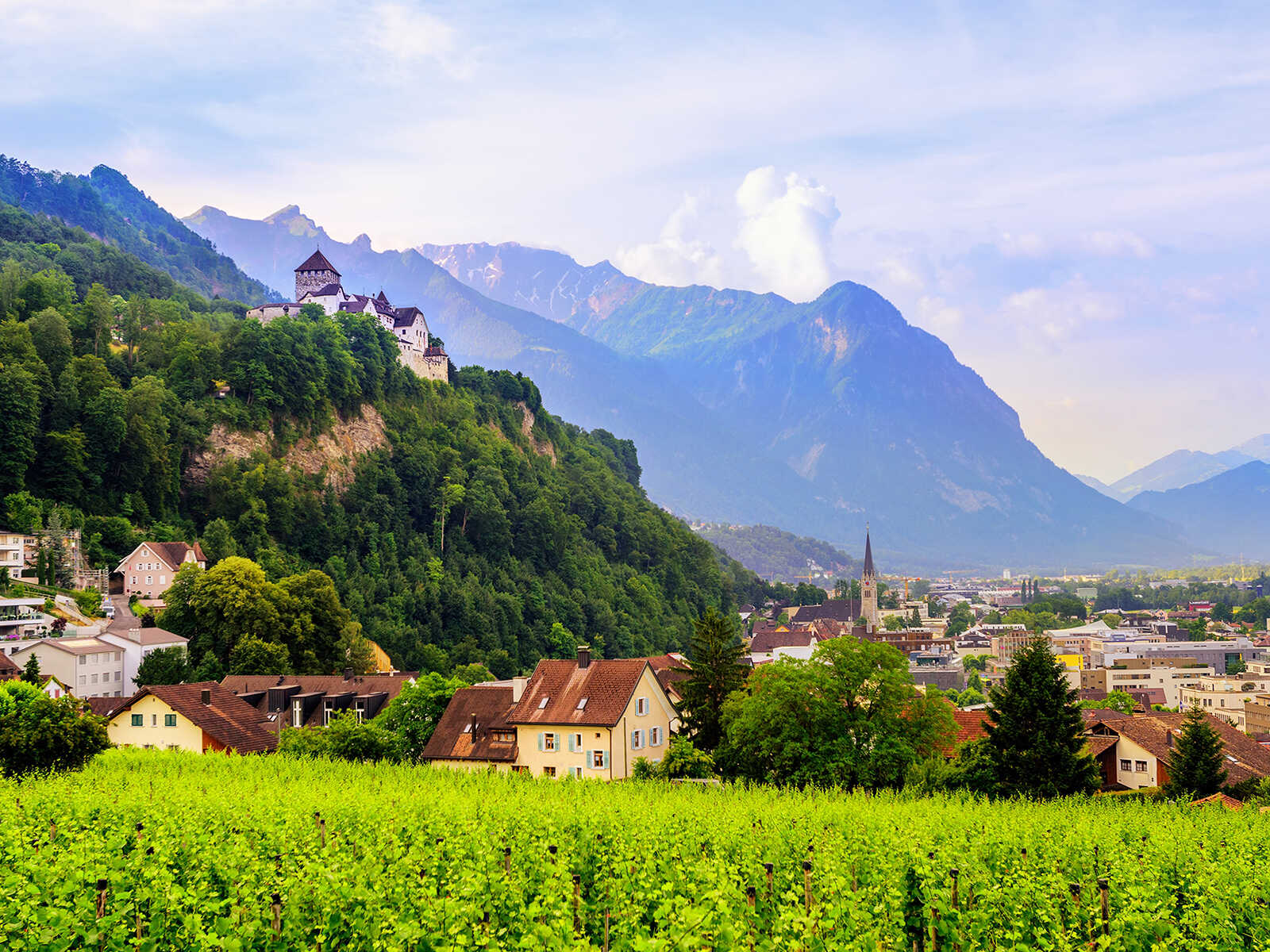
Delve into the medieval era, a pivotal period in the formation of the Principality. Learn about the noble families who shaped the region and the eventual acquisition of the territories of Schellenberg and Vaduz by the House of Liechtenstein in the early 18th century. This section often features medieval weaponry, religious artifacts, and insights into daily life during these formative centuries. Understanding this period provides crucial context for sites like Vaduz Castle, the iconic residence of the Princely Family, and the historic Burg Gutenberg in Balzers, which also traces its roots back to medieval times.
The House of Liechtenstein purchased the County of Vaduz in 1712, following the Lordship of Schellenberg in 1699. It was the unification of these two territories that formed the Principality of Liechtenstein in 1719, granted imperial immediacy by Emperor Charles VI.
From County to Principality: State Development
Trace Liechtenstein's journey from a collection of feudal territories to a sovereign state. Exhibits detail the gradual establishment of its unique political system, its neutrality, and its economic evolution. Visitors can gain insights into the role of the Princely Family in safeguarding the nation's independence and guiding its development. This section often touches upon the evolution of governance, providing a valuable prelude to a visit to the Landtag des Fürstentums Liechtenstein(Parliament) building, where the Principality's laws are debated and passed today.
Rural Life and Folk Culture
Experience the traditional way of life in Liechtenstein through engaging displays of folk art, traditional costumes, agricultural tools, and household items. This section offers a glimpse into the customs, crafts, and community spirit that have defined Liechtensteiners for generations. It highlights the resilience and resourcefulness of a people living in harmony with their Alpine environment, celebrating their unique cultural identity.
Liechtenstein's Natural Heritage
Beyond human history, the museum dedicates significant space to the Principality's stunning natural environment. Explore the diverse flora and fauna that thrive in Liechtenstein's varied landscapes, from the Rhine plain to the high Alps. Exhibits often feature taxidermy, geological samples, and interactive displays that emphasize the importance of conservation and the delicate balance of nature in this mountainous region. It's a wonderful way to appreciate the biodiversity before or after exploring the country's scenic trails.
Special Exhibitions
The Liechtenstein National Museum regularly hosts temporary exhibitions that delve deeper into specific historical events, artistic movements, or contemporary issues. These rotating displays ensure that there's always something new to discover, offering fresh perspectives and enriching the visitor experience. It's always a good idea to check the museum's official website for current special exhibitions before your visit.
Planning Your Visit: Practical Information
Location and Accessibility
The museum is centrally located in Vaduz, making it easily accessible for pedestrians. It's just a short walk from the main bus stops and other key attractions in the capital. The main building, a beautifully renovated historic structure, is complemented by a modern extension, ensuring a comfortable and engaging experience for all visitors. The museum strives for accessibility, though it's always advisable to check their official website for the latest information regarding specific needs.
Visitor Experience
Expect a well-curated experience with clear signage in multiple languages. Many exhibits incorporate multimedia elements, interactive stations, and detailed models to bring history to life for visitors of all ages. Allow ample time, generally 2-3 hours, to explore the permanent collections and any special exhibitions thoroughly.
Beyond the Exhibits
Before or after your museum journey, you might wish to browse the museum shop, which offers a selection of books, souvenirs, and local crafts, perfect for taking a piece of Liechtenstein home with you. While there isn't a dedicated museum cafe, numerous dining options are available within a short walking distance in Vaduz. Consider combining your museum visit with a stroll through the pedestrian zone of Vaduz, perhaps taking a walk towards the Alte Rheinbrücke, the historic wooden bridge connecting Liechtenstein with Switzerland, for a different perspective on the region's heritage.
Why the Liechtenstein National Museum is a Must-Visit
For anyone seeking to understand the soul of Liechtenstein, its struggles, triumphs, and unique identity, the National Museum is an indispensable resource. It’s an educational and inspiring experience that connects visitors with the enduring spirit of this remarkable Alpine nation. It provides context for the majestic landscapes and political stability you witness today, offering a narrative thread that weaves through centuries of history, culture, and nature.
The Liechtenstein National Museum stands as a testament to the Principality's enduring heritage, inviting visitors to uncover the layers of its past and appreciate its present. From ancient artifacts to contemporary insights, it offers a compelling and comprehensive narrative, ensuring that every visitor leaves with a deeper appreciation for Liechtenstein's rich and fascinating story.