
Liechtenstein for History Buffs: Castles, Museums & Heritage Sites
Nestled between Switzerland and Austria, the tiny Principality of Liechtenstein holds a disproportionately rich history within its Alpine landscapes. For those with a passion for the past, this microstate offers a fascinating journey through centuries of princely rule, medieval architecture, and preserved cultural heritage.
The Princely Legacy: Liechtenstein's Majestic Castles
Liechtenstein's story is intricately woven with its ruling family, and nowhere is this more evident than in its magnificent castles. These fortresses stand as enduring symbols of the principality's long and proud heritage.
Vaduz Castle: A Royal Residence Steeped in History
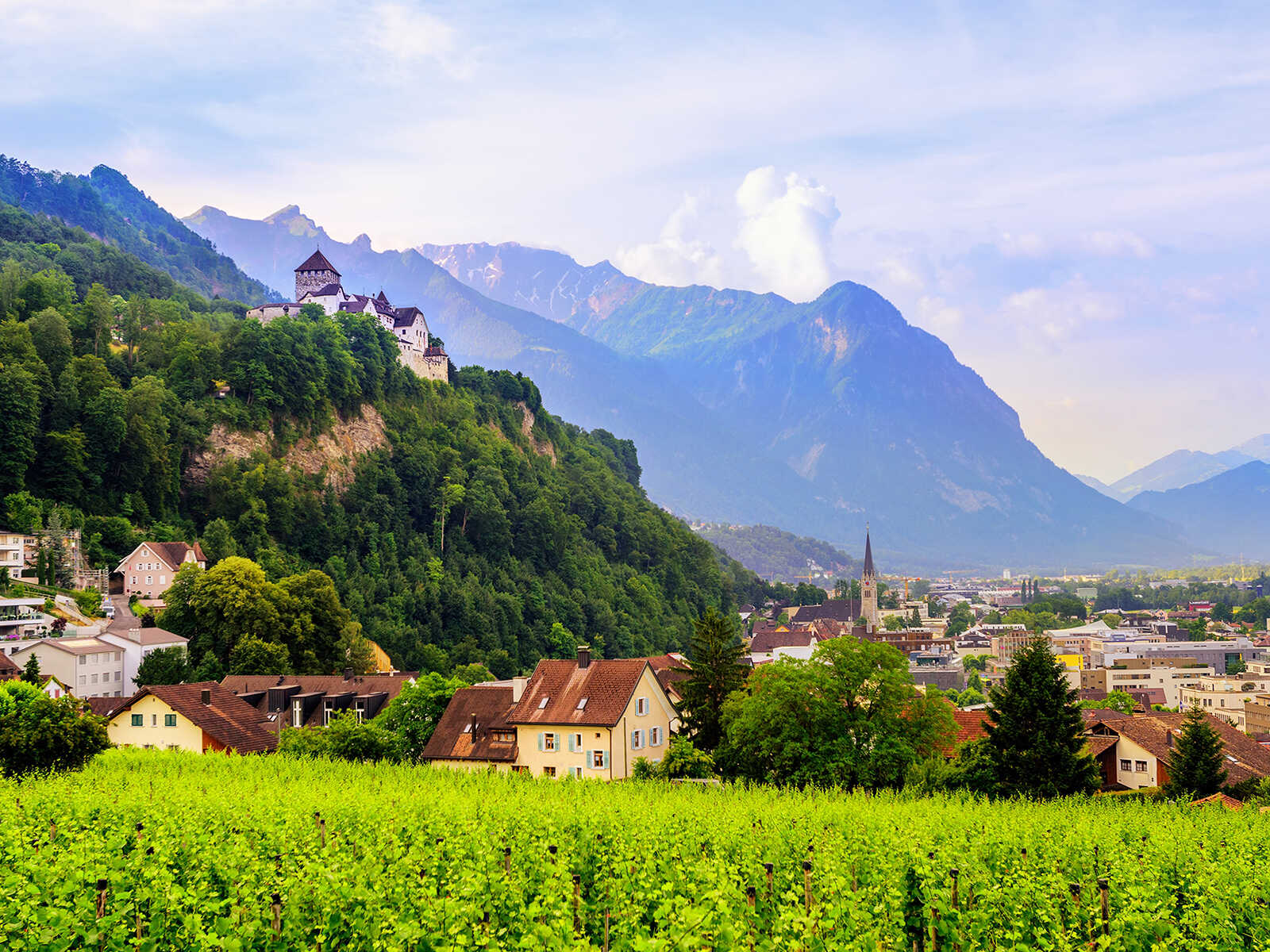
Dominating the skyline above the capital,Vaduz Castle is the iconic emblem of Liechtenstein. While visitors cannot enter, as it serves as the private residence of the Princely Family, its presence is a constant reminder of the country's monarchical traditions. Originally built in the 12th century, the castle has undergone numerous expansions and renovations over the centuries, reflecting various architectural styles. A walk up to its gates offers breathtaking panoramic views of Vaduz and the Rhine Valley, providing a perfect vantage point to appreciate its historical significance from afar.
Gutenberg Castle: A Medieval Fortress
In contrast to Vaduz Castle,Burg Gutenberg in Balzers is largely accessible to the public and offers a deeper dive into medieval life. This beautifully preserved fortress sits atop a solitary hill, its origins dating back to the High Middle Ages. It features a chapel, a rose garden, and a small museum, showcasing archaeological finds from the castle and the surrounding area. Throughout the summer, the castle courtyard often hosts cultural events, bringing its ancient stones to life. Exploring its ramparts and halls provides a tangible connection to Liechtenstein's feudal past.
Beyond the Grand Walls: Schellenberg Castle Ruins
For those eager to explore further, the ruins of Schellenberg Castle offer a glimpse into even older defensive structures. Comprising two distinct sites – Obere Burg (Upper Castle) and Untere Burg (Lower Castle) – these ruins date back to the 12th and 13th centuries respectively. While less preserved than Gutenberg, they provide a tranquil setting for contemplation and offer insights into early medieval settlement patterns in the region. Their rugged beauty speaks volumes about the passage of time.
Time Capsules: Museums Preserving Liechtenstein's Heritage
Liechtenstein's museums are meticulously curated, offering comprehensive insights into the principality's natural history, cultural development, and artistic achievements.
Liechtenstein National Museum (LandesMuseum): A Comprehensive Journey
The Liechtenstein National Museum in Vaduz is an essential stop for any history enthusiast. Housed in a beautifully restored former princely tavern and a new modern extension, it offers a fascinating journey through the country's history, culture, and natural environment. Exhibits cover everything from prehistoric archaeological finds and Roman artifacts to medieval times, princely history, and the development of modern Liechtenstein. Interactive displays and well-preserved objects bring the past to life, making it an engaging experience for all ages.
Kunstmuseum Liechtenstein & Princely Collections: Art and Patronage
While primarily an art museum focused on modern and contemporary art, the Kunstmuseum Liechtenstein holds a significant connection to the country's historical fabric through its close ties with the Princely Collections. These collections, some of the most important private art collections in the world, have been amassed over centuries by the Princely Family. While only a small rotating selection is usually on display, the museum often features exhibitions that draw from or contextualize the Princely Family's historical patronage of the arts, linking artistic development with the principality's cultural heritage.
Liechtenstein Postal Museum: A Niche Historical Gem
For a unique historical perspective, the Liechtenstein Postal Museum in Vaduz offers a captivating look at the country's philatelic history. Established in 1930, it showcases a complete collection of Liechtenstein stamps issued since 1912, alongside historical postal equipment and documents. This museum provides an intriguing insight into the evolution of communication and the intricate artistry involved in stamp design, reflecting national symbols and historical events in miniature.
Bäuerliches Wohnmuseum (Farmhouse Museum Schellenberg): Rural Life Unveiled
Step back in time at the Farmhouse Museum Schellenberg, which provides an authentic glimpse into traditional rural life in Liechtenstein. This preserved 18th-century farmhouse, complete with its original furnishings and tools, illustrates the daily routines, crafts, and agricultural practices of past generations. It's a wonderful way to understand the social and economic history of the region's common folk, offering a stark contrast to the opulence of the princely castles.
Echoes of Yesteryear: Heritage Sites and Historic Landmarks
Beyond castles and museums, Liechtenstein is dotted with smaller, yet equally significant, heritage sites that tell stories of trade, governance, and ancient cultures.
Alte Rheinbrücke: The Old Wooden Bridge
Connecting Vaduz in Liechtenstein with Sevelen in Switzerland, the Alte Rheinbrücke is the last remaining wooden bridge over the Alpine Rhine. Built in 1901, this beautifully preserved structure offers a nostalgic crossing point. Walking or cycling across this historic bridge evokes a sense of bygone eras when such crossings were vital lifelines for trade and travel between the two countries. It's a simple yet profound reminder of cross-border connections and engineering from a century ago.
Landtag des Fürstentums Liechtenstein: A Symbol of Democracy
The building housing the Landtag des Fürstentums Liechtenstein, the country's parliament, is a modern architectural marvel, yet it stands as a testament to Liechtenstein's evolving democratic history. While the principality has a long monarchical tradition, its journey towards a modern parliamentary democracy is a fascinating one. The building's design, completed in 2008, symbolically connects the old and new, reflecting the continuity of governance. Visitors can admire its distinctive architecture and learn about Liechtenstein's unique political system, a constitutional monarchy with strong elements of direct democracy.
Did you know?Liechtenstein is one of only two landlocked countries in the world that is doubly landlocked, meaning it is surrounded by other landlocked countries (Switzerland and Austria).
Triesenberg and the Walser Heritage: A Mountain Culture
High above Vaduz lies the village of Triesenberg, distinct for its unique dialect and cultural traditions, which are a legacy of the Walser people. The Walsers were a Germanic ethnic group who migrated from Valais in Switzerland in the High Middle Ages, settling in various Alpine regions including Liechtenstein. The Walser Museum in Triesenberg is dedicated to preserving and showcasing this unique heritage, offering insights into their history, language, and way of life in the mountains. It's a journey into a specific, fascinating cultural chapter of Liechtenstein's past.
Planning Your Historical Immersion in Liechtenstein
Exploring Liechtenstein's historical treasures is a rewarding experience. Here are a few practical tips to help you plan your visit:
Getting Around and Practical Tips
- Most historical sites in Vaduz are within walking distance, making it easy to explore on foot.
- For sites further afield like Gutenberg Castle or Triesenberg, Liechtenstein has an efficient public bus system.
- Wear comfortable shoes, especially if you plan to explore castles or walk through historical villages.
- Always check opening hours for museums and specific access information for castles before your visit, as these can vary seasonally.
- Consider purchasing a Liechtenstein Adventure Pass, which can offer free entry to museums and other attractions, alongside public transport benefits.
When to Visit for the Best Historical Experience
Liechtenstein's historical sites are accessible year-round. Spring and autumn offer pleasant weather for walking and exploring, with fewer crowds than the peak summer months. Winter provides a magical, snow-dusted backdrop to the castles, though some museum hours might be reduced. Each season offers a distinct charm for discovering the principality's past.
Conclusion: Unearthing Liechtenstein's Rich Past
Liechtenstein, though small in stature, stands tall in its historical offerings. From the regal presence of Vaduz Castle and the medieval charm of Gutenberg Castle to the deep dives into culture at its many museums and the quiet dignity of its heritage sites, the principality promises an enriching journey for any history buff. Prepare to be captivated by the stories embedded in its landscapes and structures, making your visit to this Alpine gem truly unforgettable.