
Liechtenstein Culture and Customs: What Visitors Need to Know
Nestled between Switzerland and Austria, the tiny Principality of Liechtenstein boasts a rich and distinctive culture shaped by its Alpine surroundings, historical ties, and unique political structure. Understanding the local customs and traditions will undoubtedly enhance your visit to this charming and often-overlooked European gem.
Liechtenstein, despite its small size, offers a vibrant tapestry of traditions, deep-rooted community values, and a strong sense of national identity. Far from being merely a financial hub, it is a country where respect, order, and a love for the outdoors are paramount. Visitors who take the time to appreciate these nuances will find themselves warmly welcomed into the fabric of this peaceful principality.
Language: A Gateway to Understanding
The official language of Liechtenstein isGerman. However, the everyday language spoken by most locals is anAlemannic dialect(specifically, a High Alemannic variant) which can sound quite different from standard German. While standard German is understood and spoken, especially in official contexts and by younger generations, making an effort to learn a few basic German phrases will always be appreciated.
Tip:Don't be surprised if you hear a unique local dialect. Most Liechtensteiner are fluent in standard German, so communication won't be an issue, but a friendly "Grüezi" (hello, Swiss-German style) will often bring a smile.
The Monarchy and State: A Pillar of Identity
The Princely Family plays a central and revered role in Liechtenstein's society and culture. As a constitutional hereditary monarchy, the Prince is not merely a figurehead but holds significant political power, balanced by a direct democratic system. This unique blend of monarchy and direct democracy is a source of national pride.
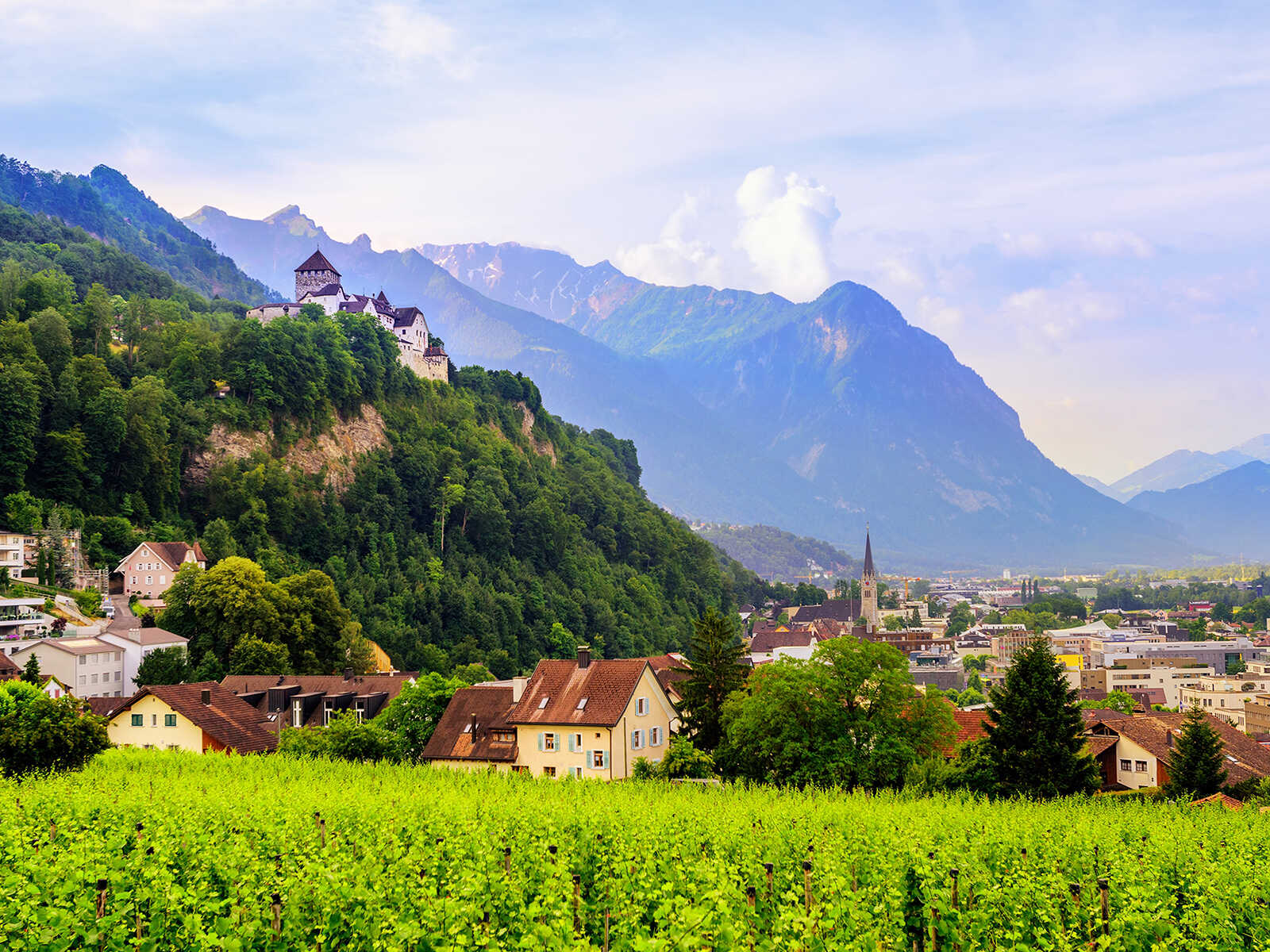
Visitors can witness the Princely Family's enduring presence, most notably through Vaduz Castle, the Prince's official residence, which majestically overlooks the capital. While not open to the public, its presence is a constant reminder of the country's heritage. The Landtag des Fürstentums Liechtenstein(Parliament) in Vaduz also showcases the nation's democratic governance.
Etiquette and Social Norms: Respectful Interactions
Liechtensteiner society values politeness, order, and respect. Adhering to local etiquette will ensure smooth and pleasant interactions.
Greetings and Politeness
- Handshakes:A firm handshake is the standard greeting, both when meeting and departing. It's customary to shake hands with everyone in a group, including children.
- Titles:When addressing someone formally, especially in initial interactions or with older individuals, it's polite to use their academic or professional title (e.g., "Herr Doktor," "Frau Professor") followed by their surname. If no title is known, "Herr" (Mr.) or "Frau" (Ms./Mrs.) followed by the surname is appropriate. First names are typically reserved for close friends and family.
- "Bitte" and "Danke":"Please" and "Thank you" (Bitte and Danke) are essential words to use frequently.
Punctuality
Punctuality is highly valued in Liechtenstein. Whether for a business meeting, a dinner invitation, or even a casual gathering, arriving on time or a few minutes early is expected and shows respect.
Dress Code
While casual wear is acceptable for sightseeing, Liechtensteiner tend to dress neatly and conservatively. For formal occasions, evenings out, or business meetings, smart casual or formal attire is appropriate. Modesty is generally appreciated, especially in religious settings.
Dining Etiquette
Dining is often a social occasion, and certain customs are observed:
- Table Manners:Keep both hands visible above the table (but not elbows). Forks are typically held in the left hand and knives in the right throughout the meal.
- Toasts:If someone toasts, it's polite to make eye contact with everyone present before and after taking a sip. Wait for the host to initiate the first toast.
- "En Guete":It's customary to say "En Guete" (enjoy your meal) before starting to eat.
- Leaving Food:While not a strict rule, it's generally considered polite to finish what's on your plate.
Public Behavior
Liechtenstein is a peaceful and quiet country. Loud conversations, boisterous behavior, or public displays of affection are generally frowned upon. Maintain a respectful demeanor, especially in residential areas, churches, and public transport.
Family Values and Community Spirit
The family unit is the cornerstone of Liechtensteiner society, embodying stability and tradition. Multi-generational households are common, and strong family bonds are fostered. This emphasis on family extends into the wider community, where a robust network of clubs, associations, and voluntary organizations thrives. These groups are central to social life, preserving local customs, and organizing events. Visitors might encounter local festivals or markets that highlight this strong community spirit.
Traditional Festivals and Celebrations
Liechtensteiners take pride in their heritage, celebrated through various annual events.
- National Day (Staatsfeiertag):Celebrated on August 15th, this is the most significant national holiday. The entire Princely Family traditionally invites the public to a reception at Vaduz Castle, followed by a large public festival, fireworks, and festivities throughout the country.
- Alpabzug (Cattle Drive):In autumn, the traditional descent of cattle from the Alpine pastures, adorned with flowers and bells, is a charming spectacle in many villages.
- Carnival (Fasnacht):Celebrated before Lent, this lively period involves parades, masked balls, and traditional costumes, particularly vibrant in towns like Balzers and Mauren.
Cuisine: Hearty and Wholesome
Liechtenstein's cuisine reflects its Alpine surroundings and historical influences from Switzerland and Austria. It's generally hearty, wholesome, and comforting.
- Käsknöpfle:Often considered the national dish, these small, soft egg noodles are similar to spaetzle, typically served with melted cheese and crispy fried onions.
- Ribel:A traditional breakfast or dinner dish made from cornmeal or semolina, often served with milk, coffee, or apple sauce.
- Torkarebl:Another cornmeal-based dish, usually served with fruit compote.
- Wine:Despite its size, Liechtenstein has a small but respectable wine industry, with vineyards near Vaduz producing excellent white and red wines. A visit to a local winery is a delightful experience.
Outdoor Lifestyle and Environmental Respect
Given its stunning mountain landscape, an active outdoor lifestyle is deeply ingrained in Liechtensteiner culture. Hiking, skiing, cycling, and mountaineering are popular pursuits. The respect for nature and the environment is palpable. Trails like the challenging Fürstensteig showcase the country's natural beauty and the locals' connection to it.
Liechtenstein is also a leader in environmental protection and sustainability. Visitors are expected to respect the pristine natural surroundings by staying on marked trails, properly disposing of waste, and minimizing their environmental footprint.
Practical Tips for Visitors
- Currency:The official currency is the Swiss Franc (CHF). Euros are often accepted in larger establishments, but change will usually be given in CHF.
- Tipping:Tipping is customary for good service, usually around 5-10% in restaurants and for taxi drivers, though not strictly required as service charges are often included.
- Shopping Hours:Shops generally operate from Monday to Friday, with shorter hours on Saturdays and usually closed on Sundays, except for some tourist areas or petrol station shops.
- Getting Around:Public transport is efficient, and a car can be useful for exploring more remote areas. The Alte Rheinbrücke, an old wooden bridge, is a charming pedestrian and cyclist link between Vaduz and Sevelen, Switzerland, reflecting the country's connectivity.
- Historical Sites:Beyond the Princely residence, places like Burg Gutenberg in Balzers offer a glimpse into the country's medieval past and are well worth a visit.
Conclusion
Liechtenstein, with its blend of monarchical tradition, direct democracy, strong community bonds, and breathtaking natural beauty, offers a unique cultural experience. By understanding and respecting its customs – from the politeness of its people to their punctuality and love for their Alpine home – visitors can truly immerse themselves in the charm and character of this captivating principality. Your journey through Liechtenstein will be enriched by embracing its distinctive way of life.