
Is Liechtenstein Safe for Tourists? What Visitors Should Know
Nestled between Switzerland and Austria, the tiny Principality of Liechtenstein consistently ranks among the safest countries in the world. For travelers seeking peace of mind alongside breathtaking alpine scenery and rich culture, Liechtenstein offers an exceptionally secure and welcoming environment. This guide delves into what makes Liechtenstein so safe and provides practical advice for a worry-free visit.
An Overview of Safety in Liechtenstein
Liechtenstein's reputation for safety is not merely anecdotal; it's deeply rooted in its societal structure and statistics. With a population of around 40,000, the country boasts an exceptionally low crime rate, making it one of the safest destinations you can choose for your travels.
Exceptionally Low Crime Rates
Serious crime is virtually non-existent in Liechtenstein. Petty crime, such as pickpocketing or minor theft, is rare but not entirely unheard of, especially in more crowded tourist areas during peak season. The local police force is small but highly efficient, well-respected, and deeply integrated into the community. Visitors often remark on the palpable sense of security, where people feel comfortable leaving doors unlocked or belongings unattended—though standard travel precautions are always advisable.
Liechtenstein holds the distinction of having one of the lowest crime rates globally, with its police force operating on a community-oriented model that fosters strong trust among residents and visitors alike.
A Sense of Community and Trust
The small size and close-knit nature of Liechtenstein contribute significantly to its safety. There's a strong sense of community, where neighbors look out for each other, and strangers are generally met with courtesy and helpfulness. This inherent trust and social cohesion reduce the likelihood of criminal activity, creating an environment where visitors can feel genuinely at ease exploring its towns and natural landscapes.
Everyday Safety Tips for Tourists
While Liechtenstein is incredibly safe, practicing common-sense precautions will ensure your trip remains smooth and enjoyable, just as you would in any destination.
General Awareness
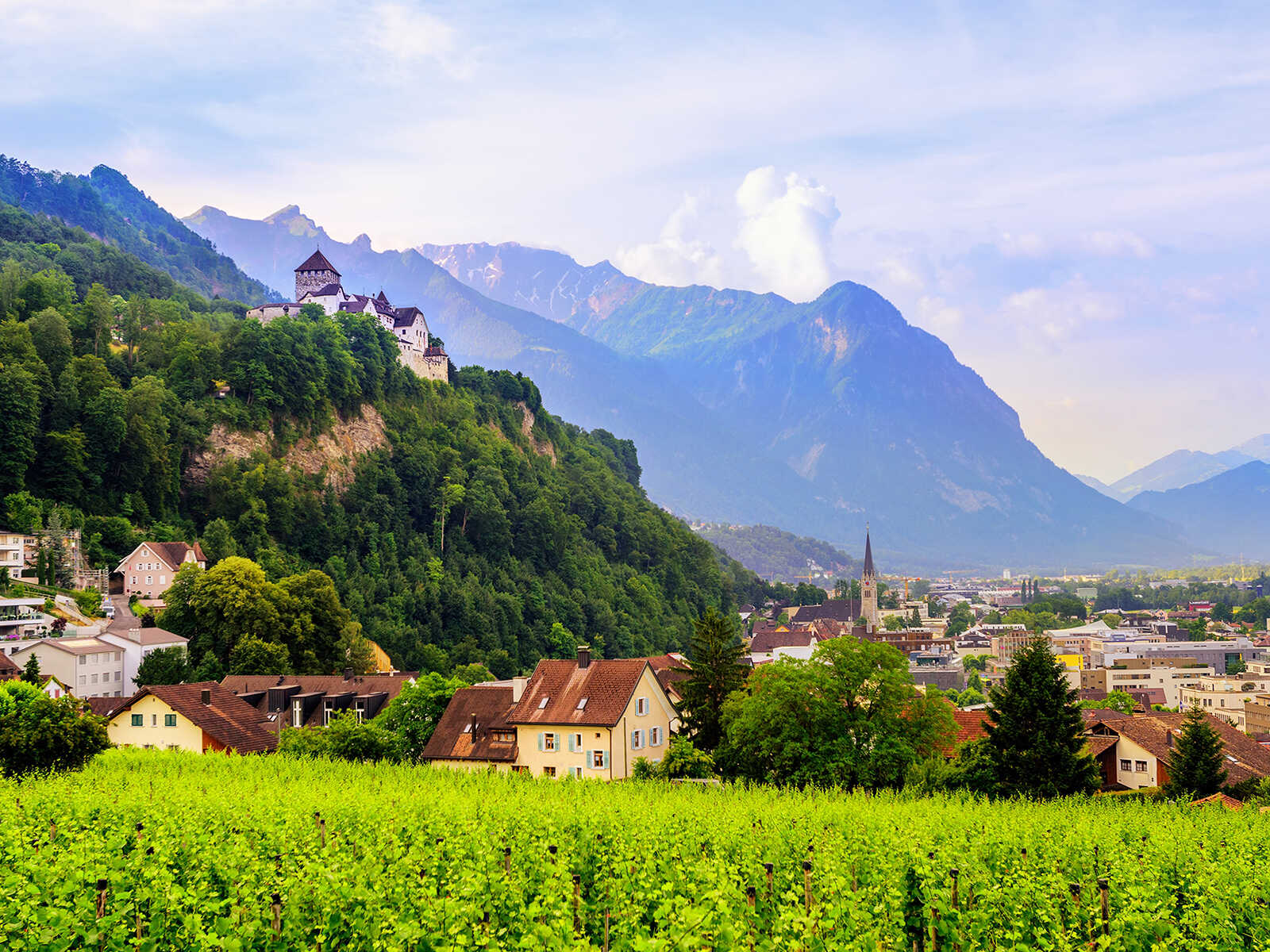
Even in the safest places, it’s wise to remain aware of your surroundings. Keep an eye on your belongings in public spaces, especially in popular spots like the center of Vaduz or around major attractions. Avoid displaying large sums of cash or expensive jewelry. If you are exploring iconic sites like the Vaduz Castle or Burg Gutenberg, enjoy the views without distraction, but always be mindful of your personal items.
- Keep valuables out of sight and secure.
- Use hotel safes for passports, extra cash, and important documents.
- Report any suspicious activity to local authorities immediately.
Public Transport and Driving
Public transport in Liechtenstein, primarily an efficient bus system, is very safe, clean, and reliable. Drivers are generally courteous, and roads are well-maintained. If you plan to drive, be aware that mountain roads can be winding and steep, requiring careful attention, especially in adverse weather conditions. Always respect speed limits and traffic signs.
Accommodation Safety
Hotels and guesthouses in Liechtenstein are reputable and adhere to high safety standards. When checking into your accommodation, familiarize yourself with emergency exits and procedures. Always ensure your room is locked when you leave and when you retire for the night.
Outdoor Activities and Mountain Safety
Liechtenstein is a paradise for outdoor enthusiasts, offering incredible hiking, cycling, and winter sports opportunities. Enjoying these activities safely requires preparation and respect for nature.
Hiking and Alpine Adventures
The Principality's stunning alpine terrain, including trails like the challenging Fürstensteig, offers unforgettable experiences. However, mountain environments demand respect. Always plan your route, check weather forecasts, and inform someone of your itinerary. Stick to marked trails and be aware of your physical limits.
- Wear appropriate footwear and clothing for mountain conditions.
- Carry enough water, snacks, and a first-aid kit.
- Know how to read trail markers and use a map or GPS.
- Be aware of wildlife, though dangerous encounters are extremely rare.
Weather Considerations
Mountain weather can change rapidly and unexpectedly. A sunny morning can quickly turn into a cold, rainy, or even snowy afternoon. Always pack layers and be prepared for various conditions, even during summer months.
Emergency Services in the Mountains
In case of an emergency while hiking or engaging in other outdoor activities, dial the European emergency number 112. Liechtenstein's rescue services are highly trained and efficient, but prevention is always the best approach.
Health and Medical Facilities
Liechtenstein boasts an excellent healthcare system, ensuring visitors have access to high-quality medical care if needed.
Access to Medical Care
The country has a modern hospital in Vaduz, along with several doctors' offices and pharmacies throughout the principality. English is widely spoken by medical professionals. For non-life-threatening issues, your hotel reception can usually assist in finding a local doctor or pharmacy.
- Emergency services:112(General emergency)
- Police:117
- Ambulance:144
Travel Insurance
While healthcare is readily available, it can be expensive for non-residents. It is highly recommended to purchase comprehensive travel insurance before your trip. Ensure your policy covers medical emergencies, including potential evacuation, as well as trip cancellation or interruption.
Local Customs and Cultural Sensitivity
Understanding and respecting local customs enhances your travel experience and demonstrates courtesy. Liechtensteiners are generally polite, reserved, and value punctuality and order.
Respectful Interaction
When visiting official buildings like the Landtag des Fürstentums Liechtenstein, or attending cultural events, a slightly more formal approach is appreciated. Greetings are typically polite, and excessive loudness or public displays of affection are uncommon. A simple "Grüezi" (Swiss German for hello) goes a long way.
Language
The official language is German, specifically a dialect of Alemannic German. However, English is widely understood and spoken, especially in tourist-focused areas, hotels, and restaurants, so language barriers are rarely an issue for international visitors.
Specific Places and Their Safety
Whether you're exploring the capital or venturing into the rural areas, safety remains consistently high across the principality.
Vaduz and Surrounding Areas
Vaduz, the capital, is incredibly safe for walking around day and night. You can comfortably visit its museums, art galleries, and stroll along the pedestrian zones. Even exploring the paths leading up towards Vaduz Castle is a pleasant and safe experience.
Border Crossings
Liechtenstein shares open borders with Switzerland and Austria as part of the Schengen Area, meaning there are no routine passport controls. Crossing the border, for example, over the historic Alte Rheinbrücke into Switzerland, is seamless and completely safe.
Emergency Information
Keep these essential emergency numbers handy during your visit:
- European Emergency Number:112(for police, ambulance, fire services)
- Police:117
- Ambulance:144
- Fire Department:118
Conclusion
Liechtenstein stands out as an exceptionally safe and welcoming destination for tourists. Its remarkably low crime rate, strong community values, and efficient emergency services mean visitors can explore its stunning landscapes and rich culture with unparalleled peace of mind. By following standard travel precautions and respecting local customs, your trip to this charming principality will undoubtedly be a serene and memorable experience.