
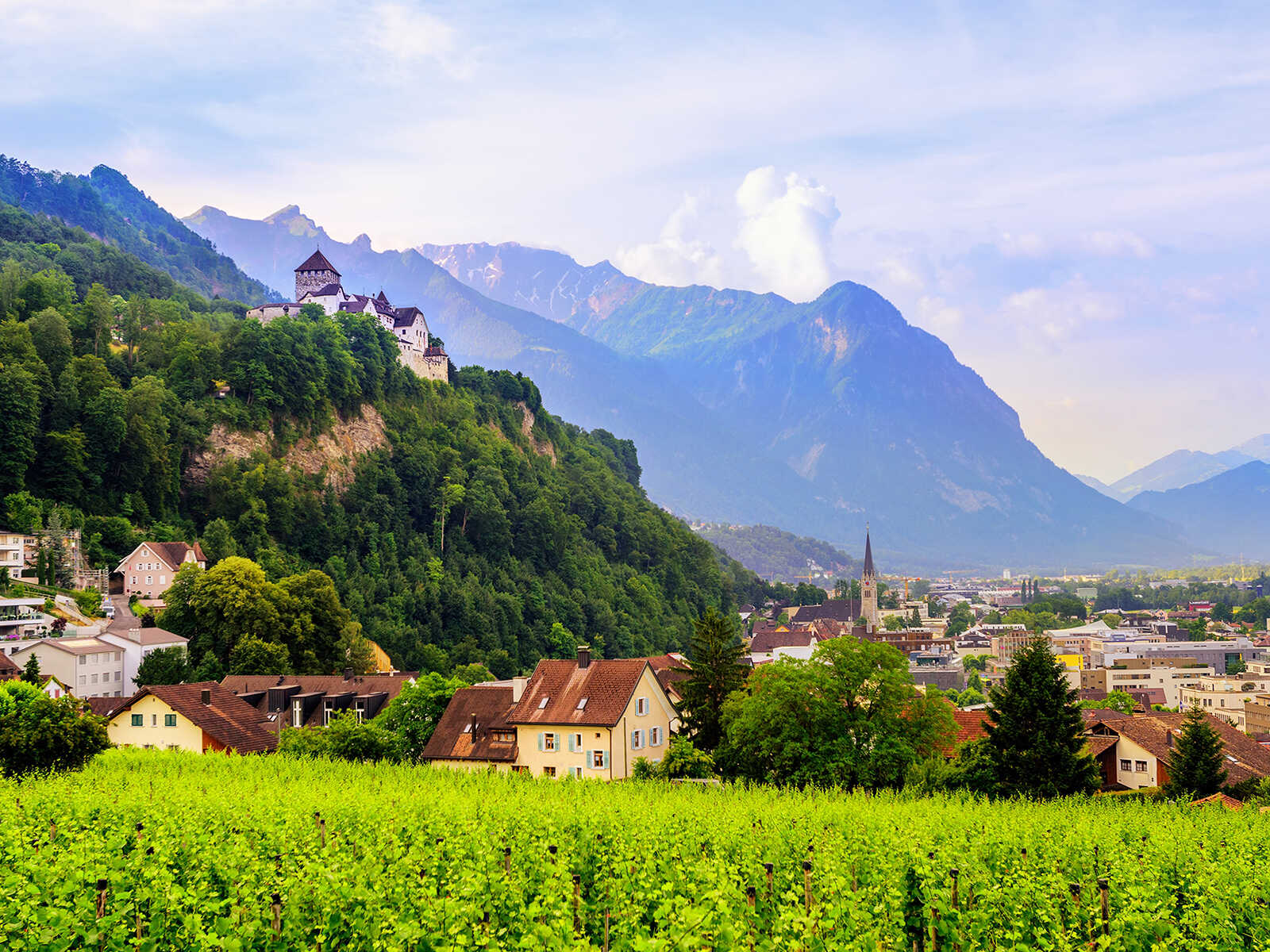
Burg Gutenberg: A Comprehensive Guide to Liechtenstein's Medieval Gem
Perched majestically above the charming village of Balzers,Burg Gutenberg stands as one of Liechtenstein's most significant historical landmarks. This beautifully preserved medieval castle offers visitors a captivating journey through centuries of history, breathtaking panoramic views, and a unique glimpse into the principality's rich cultural heritage.
Introduction to Burg Gutenberg
Unlike Vaduz Castle, which serves as the private residence of the Princely Family, Burg Gutenberg is largely accessible to the public, offering a rare opportunity to explore a genuine medieval fortress. Its imposing walls and towers command attention, inviting travelers to delve into the stories held within its ancient stones. From its strategic hilltop position, the castle provides not only historical insights but also stunning vistas of the Rhine Valley, the surrounding Alps, and the picturesque village below.
A Glimpse into History: From Hillfort to Fortress
The history of Burg Gutenberg is as rich and layered as the landscape it overlooks, tracing its roots back millennia before the first stones of the castle were laid.
Early Origins and Roman Influence
Archaeological finds indicate that the castle hill was inhabited as early as the Neolithic period, with evidence of settlements from the Bronze Age. During the Roman era, the hill likely served as a fortification, strategically positioned along important trade routes. The current castle's foundations began to take shape in the High Middle Ages, with initial construction dating back to the 12th century.
Medieval Grandeur and Ownership Changes
The core of Burg Gutenberg as we see it today was largely constructed in the 12th and 13th centuries. It served as a defensive stronghold, a noble residence, and a symbol of power for various feudal lords. Over the centuries, the castle changed hands many times, witnessing sieges, fires, and periods of decay. Notable owners included the Lords of Frauenberg and the Lords of Montfort. In the late 15th century, the castle was acquired by the Holy Roman Empire, marking a shift in its role and ownership.
Fun Fact:While many castles fell into complete ruin, Burg Gutenberg, despite periods of neglect, managed to retain much of its structural integrity, thanks in part to several restoration efforts throughout its history.
By the 18th century, the castle had largely lost its strategic importance and began to fall into disrepair. It was eventually purchased by the municipality of Balzers in the late 19th century.
Modern Restoration and Public Access
A significant turning point came in the early 20th century when the castle was acquired by the architect and sculptor Egon Rheinberger, who undertook extensive restoration work to bring it back to its former glory. Rheinberger lived in the castle until his death in 1993. Since then, the Principality of Liechtenstein has acquired the castle, ensuring its preservation and making certain areas accessible to the public. Today, it stands as a cultural monument and a vibrant venue for occasional cultural events, concerts, and theatrical performances.
Exploring the Castle Grounds: What to See and Do
A visit to Burg Gutenberg is an immersive experience, offering much more than just a historical overview.
The Castle Courtyard and Chapel
The castle's outer courtyard is generally open to the public free of charge, inviting visitors to wander among the ancient walls and soak in the atmosphere. Here, you'll find the beautiful castle chapel, dedicated to St. Elisabeth, which is particularly noteworthy for its stained-glass windows and serene ambiance. The chapel, along with the rose garden, is typically accessible during designated opening hours or as part of guided tours.
Panoramic Views and Photography Spots
One of the most compelling reasons to visit Burg Gutenberg is the spectacular panoramic views it offers. From its elevated position, you can gaze across the picturesque village of Balzers, follow the winding path of the Rhine River, and admire the majestic peaks of the Swiss and Austrian Alps. The changing light throughout the day makes it a fantastic spot for photography, capturing the timeless beauty of Liechtenstein's landscape.
The Rose Garden and Surrounding Area
Adjacent to the chapel, the castle boasts a charming rose garden, a peaceful oasis that adds a touch of beauty to the rugged fortress. It's a perfect spot for a quiet moment of reflection or to enjoy the fragrant blooms in season. Beyond the castle walls, the immediate surroundings offer pleasant walking paths, allowing visitors to appreciate the castle from different angles and enjoy the natural beauty of the area. For those interested in a longer stroll, paths leading towards the Alte Rheinbrücke or even more challenging routes like sections of the Fürstensteig(further north but indicative of the region's hiking opportunities) offer scenic exploration.
Planning Your Visit: Practical Information
To make the most of your trip to Burg Gutenberg, here's some helpful practical advice:
Location and Accessibility
Burg Gutenberg is located in the southern part of Liechtenstein, in the municipality of Balzers. The castle sits atop a prominent hill, easily visible from the village. While the outer courtyard is generally accessible, the interior rooms and chapel are usually open only during specific hours or for special events and guided tours. It is advisable to check the official website for current access information before your visit.
Opening Hours and Entrance Fees
The castle courtyard is often open for public access during daylight hours. However, access to the chapel and specific interior areas is typically limited to guided tours or special occasions. There are no general entrance fees for the outer grounds, but guided tours or specific events may incur a cost. Always consult the official tourism or castle website for the most up-to-date information on opening times and any applicable fees.
Getting There: Public Transport and Parking
Balzers is well-connected by Liechtenstein's excellent public bus system. Buses run regularly from Vaduz to Balzers. From the bus stop in Balzers, it's a pleasant uphill walk of approximately 15-20 minutes to reach the castle. If you are driving, there is parking available at the base of the castle hill, from where a short walk leads to the entrance. The journey by car from Vaduz takes about 15-20 minutes.
Nearby Attractions and Activities
While in Balzers, take some time to explore the charming village itself, with its traditional houses and welcoming atmosphere. The nearby Alte Rheinbrücke, the historic wooden bridge connecting Liechtenstein with Switzerland, is a lovely spot for a walk or bike ride. For those interested in more active pursuits, the region offers numerous hiking and cycling trails through picturesque landscapes.
Why Burg Gutenberg is a Must-Visit
Visiting Burg Gutenberg offers a unique window into Liechtenstein's medieval past. It stands as a testament to the principality's enduring history and cultural resilience. Beyond its historical significance, the castle provides an unparalleled vantage point for appreciating the stunning natural beauty of the Alpine region. Whether you're a history buff, a photography enthusiast, or simply seeking a peaceful escape with breathtaking views, Burg Gutenberg promises an unforgettable experience.
Conclusion
Burg Gutenberg is more than just an old fortress; it's a living piece of history that continues to inspire and captivate. Its journey from a prehistoric settlement to a medieval stronghold and now a public cultural monument is a compelling narrative. A visit here is a chance to step back in time, connect with the past, and witness the timeless charm of Liechtenstein's medieval gem.