
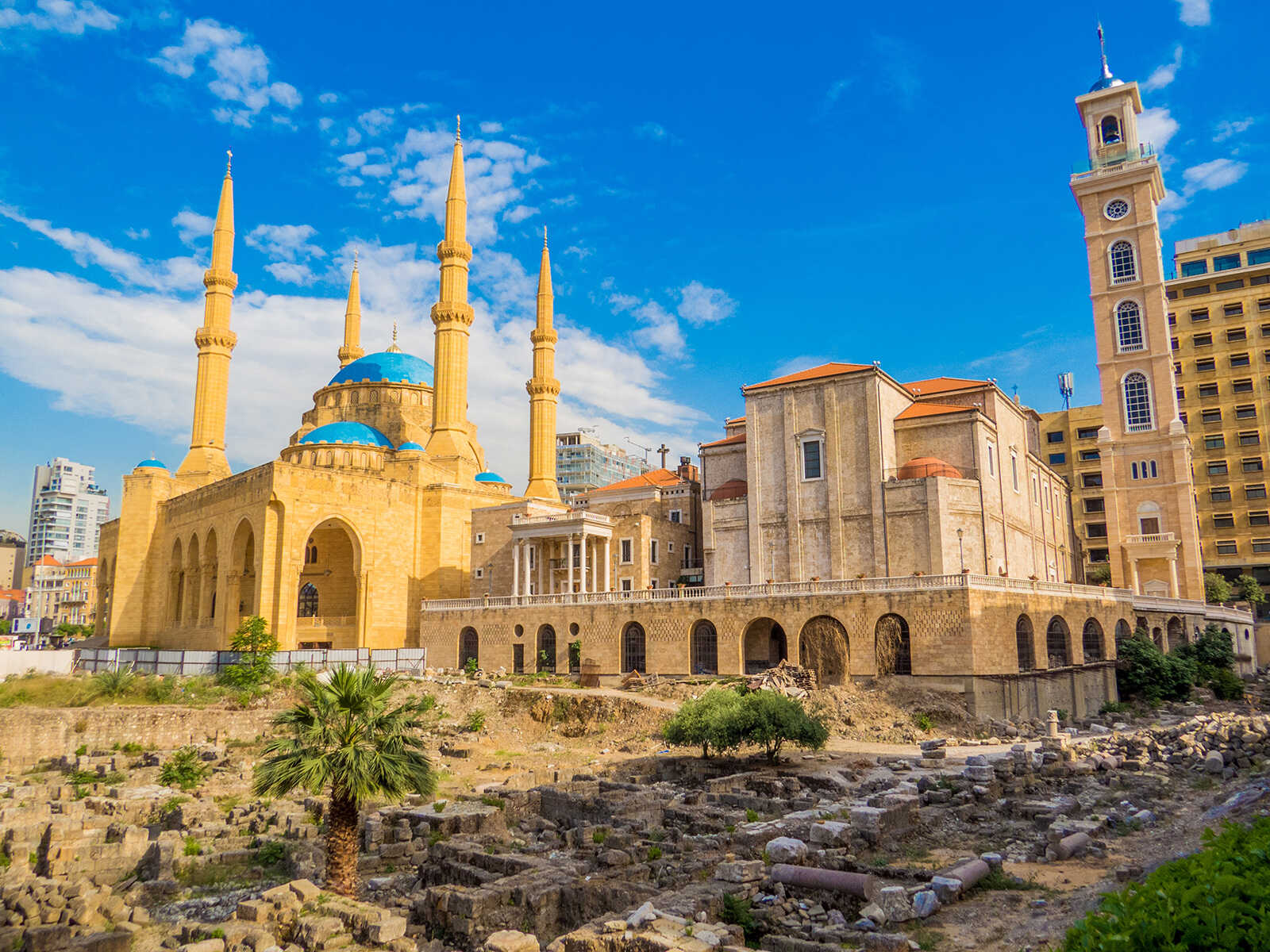
Unique Experiences in Lebanon: Beyond the Usual Tourist Trail
Lebanon, a land of ancient history, stunning landscapes, and vibrant culture, often draws visitors to its iconic landmarks. While sites like Beirut's bustling Corniche or the ancient city of Byblos are undeniably captivating, the country holds a treasure trove of lesser-known adventures waiting to be discovered. Venture beyond the usual tourist path to uncover experiences that offer deeper insights into Lebanon's soul.
Embrace Nature's Untamed Beauty
Beyond the well-trodden paths, Lebanon’s diverse topography offers incredible natural escapes for those willing to explore. From dramatic waterfalls to sprawling cedar forests and hidden valleys, the country is a paradise for adventurers and nature lovers.
Hiking Through Pristine Reserves
While the Shouf Biosphere Reserve is renowned for its majestic cedar forests, consider exploring its less-frequented trails or venturing into other protected areas. Discover the wonders of the Al-Ammiq Wetland, a vital bird migration stop within the reserve, offering unique birdwatching opportunities. For a more rugged experience, the Lebanon Mountain Trail (LMT) traverses the country, connecting over 75 towns and villages and offering segments that range from easy strolls to challenging multi-day treks through varied ecosystems.
Canyoning and Caving Adventures
For thrill-seekers, Lebanon's dramatic wadis and karstic landscapes present opportunities for canyoning and caving. Beyond the famous Jeita Grotto, which offers a polished visitor experience, there are numerous wilder caves and gorges. Areas around the Qadisha Valley, though known for its monasteries, also hide challenging caving systems. Descend into the depths of a cave with an experienced guide or rappel down a natural waterfall for an adrenaline rush. The incredible three-arch natural bridge of Baatara Waterfall in Tannourine, a sinkhole that descends 255 meters, is a sight to behold, especially during spring melt.
Tranquility by Lake Qaraoun
Escape to the serene surroundings of Lake Qaraoun, Lebanon's largest artificial lake, nestled in the Beqaa Valley. While its primary purpose is hydroelectric power and irrigation, the lake offers peaceful boat rides, fishing, and opportunities for birdwatching, particularly during migratory seasons. The surrounding areas also feature quaint villages and local eateries, providing a glimpse into rural Lebanese life away from the city bustle.
Dive into Authentic Lebanese Culture
To truly understand Lebanon, one must move beyond the capital's modern facade and immerse themselves in the rich tapestry of its traditional villages, crafts, and culinary heritage.
Village Stays and Culinary Immersion
Opt for a guesthouse stay in a traditional village like Douma, Kfardebian, or Baskinta. These charming locales offer a chance to experience genuine Lebanese hospitality, often with home-cooked meals prepared with fresh, local ingredients. Participate in a cooking class to learn the secrets of authentic mezza, kibbeh, or manakish from local experts. Many guesthouses also facilitate interactions with villagers, offering insights into their daily lives and traditions. Discover the art of making traditional olive oil soap in villages like Koura, or explore local wineries in the Beqaa Valley for a more intimate tasting experience than larger commercial operations.
Artisan Workshops and Local Souks
Seek out the artisanal heart of Lebanon by visiting workshops where traditional crafts are still practiced. From pottery in Rachaya al-Wadi to basket weaving and intricate embroidery in smaller mountain towns, these experiences offer a direct connection to Lebanon's artistic legacy. Instead of just browsing, consider finding a workshop that allows for hands-on participation. Explore local souks (markets) in towns like Batroun or Zahle, which, while popular, offer a more local shopping experience for spices, fresh produce, and handmade goods than the larger, more tourist-oriented markets.
Unearthing Hidden Histories and Spiritual Journeys
While magnificent sites like Baalbek Roman Ruins and Tyre World Heritage Site tell grand tales, Lebanon's history is also etched into countless lesser-known ancient sites and secluded spiritual havens.
Ancient Ruins Off the Beaten Path
Beyond the grandeur of Baalbek, many smaller Roman, Phoenician, and Crusader ruins are scattered across the Lebanese landscape, often found near or even within modern villages. Explore the Roman temples of Niha in the Beqaa Valley, or discover the remnants of ancient cities in areas like Faqra, which combines Roman ruins with natural rock formations. These sites offer a more intimate connection to history, often without the crowds.
Did you know?Lebanon is home to five UNESCO World Heritage Sites, each telling a unique story of its ancient past and cultural significance.
Spiritual Retreats in Secluded Monasteries
The sacred Kadisha Valley, a UNESCO World Heritage site, is famous for its ancient monasteries carved into cliffs. While some are more accessible, many require a dedicated hike to reach, offering profound spiritual journeys amidst breathtaking natural beauty. Explore lesser-known hermitages and churches, some dating back to the early days of Christianity, where silence and serenity prevail. A visit to the nearby Cedars Of God Bsharri can be combined with a spiritual exploration of the valley, connecting ancient faith with enduring nature. Even places like Beiteddine Palace, while a grand architectural marvel, can be a starting point to explore the less-visited churches and shrines in the Chouf mountains surrounding it.
Practical Tips for Your Unique Lebanese Adventure
To make the most of your journey beyond the typical tourist spots, a little preparation goes a long way.
Getting Around
- Renting a Car:For ultimate flexibility to reach remote areas, renting a 4x4 vehicle is often recommended, especially for mountain roads.
- Local Guides:For hiking, caving, or exploring very secluded historical sites, hiring a local guide is invaluable for safety, navigation, and local insights. Many guesthouses can help arrange this.
- Service Taxis/Shared Vans:For inter-city travel to smaller towns, these are a cost-effective option, though less flexible for off-road destinations.
Best Time to Visit
- Spring (April-May):Ideal for hiking, wildflowers, and pleasant temperatures before the summer heat. Waterfalls are at their fullest.
- Autumn (September-October):Great for hiking, cultural exploration, and grape harvests in the wine regions.
- Winter (December-March):Offers unique opportunities for snowshoeing or skiing in mountain areas, but some remote roads may be inaccessible.
Respecting Local Culture
- Dress Modestly:Especially when visiting religious sites or rural villages.
- Learn Basic Arabic Phrases:Even a few words can enhance interactions and show respect.
- Engage with Locals:Lebanese people are known for their hospitality; embrace opportunities to connect.
Conclusion: Unlocking Lebanon's Hidden Charms
Lebanon is a country of profound contrasts and endless discoveries. While its renowned landmarks justly deserve attention, the true magic often lies in venturing beyond the familiar. By seeking out these unique experiences, you'll not only uncover hidden gems but also gain a richer, more intimate understanding of Lebanon's enduring spirit, its diverse landscapes, and the warmth of its people. Prepare to be surprised and captivated by the heart of the Levant.