
Understanding Lebanese Hospitality: A Traveler's Guide to Local Encounters
Lebanon, a land steeped in history and vibrant culture, is renowned for its unparalleled hospitality. For travelers, understanding and embracing this core aspect of Lebanese life unlocks truly authentic and unforgettable experiences, transforming a simple visit into a journey of genuine connection.
From bustling city streets to tranquil mountain villages, the warmth and generosity of the Lebanese people are ever-present. This guide will help you navigate the nuances of local encounters, ensuring you're prepared to receive, and reciprocate, the legendary hospitality that awaits you.
The Roots of Lebanese Hospitality
Lebanese hospitality isn't merely a custom; it's a deeply ingrained cultural value, born from centuries of diverse influences and a strong emphasis on family and community. In a land that has historically been a crossroads of civilizations, welcoming strangers has long been a virtue, a way of life passed down through generations. This generosity extends beyond mere politeness, often involving genuine invitations, shared meals, and an eagerness to ensure guests feel comfortable and valued.
Key Aspects of Lebanese Hospitality
The Language of Food and Drink
Food is the heart of Lebanese hospitality, a universal language of welcome and abundance. Expect to be offered food and drink at every turn, whether you're visiting a home, a shop, or even just making a new acquaintance.
- Mezze:A spread of small dishes,Tyre World Heritage Site or Byblos Citadel, often accompanies social gatherings. Accepting is a sign of respect.
- Coffee & Tea:A small, strong cup of Lebanese coffee or a glass of tea is almost always offered upon arrival at someone's home or business. It's considered rude to refuse without a very good reason.
- Arak:The anise-flavored national drink, often served with water and ice, is a staple at many social meals. Sharing a glass is a convivial experience.
Generosity and Invitations
Lebanese people are incredibly generous, often going out of their way to help or share what they have. Don't be surprised if you receive an invitation to a family meal or a social gathering, even from someone you've just met. These invitations are usually sincere and come from a genuine desire to share their culture and make you feel at home.
"In Lebanon, 'Ahlan wa Sahlan' (welcome) is more than just a greeting; it's an invitation to share in the warmth of their home and heart."
Social Etiquette and Greetings
Understanding basic social etiquette will greatly enhance your interactions:
- Greetings:A handshake is common for both men and women, though some conservative women may prefer a slight nod or a hand over the heart. Close friends and family often exchange kisses on alternating cheeks.
- Eye Contact:Maintaining respectful eye contact is a sign of sincerity and engagement.
- Asking About Family:It's common and polite to inquire about someone's family, especially their parents and children.
- Small Gifts:If invited to someone's home, a small gift (sweets, flowers) is always appreciated, though not strictly required.
Navigating Local Encounters
Accepting or Declining Invitations
When offered food, drink, or an invitation, it's generally best to accept. If you genuinely cannot, a polite and respectful refusal with a brief explanation (e.g., "Thank you so much, but I've just eaten") is usually understood. Insisting too much on refusing might be seen as impolite, as generosity is a virtue.
Language Tips
While many Lebanese, especially in urban areas and tourist spots like Baalbek Roman Ruins or Jeita Grotto, speak English or French, learning a few basic Arabic phrases will go a long way in showing respect and fostering deeper connections:
- Marhaba:Hello
- Kifak (m)/Kifik (f):How are you?
- Shukran:Thank you
- Afwan:You're welcome / Excuse me
- Min Fadlak (m)/Min Fadlik (f):Please
- Sahtain:To your health (often said when someone is eating)
Respecting Customs and Dress
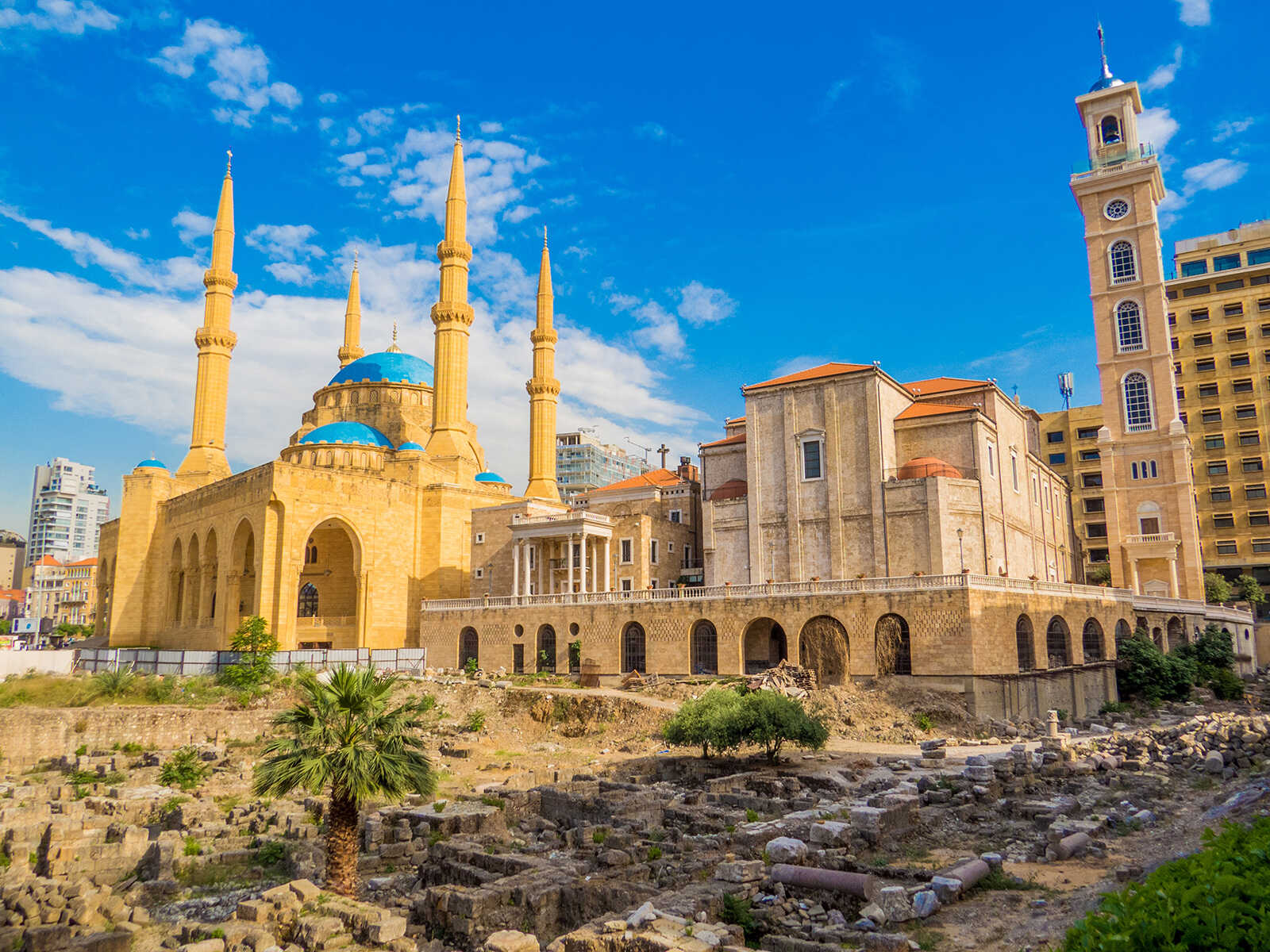
Lebanon is a diverse country, and while generally liberal, it's wise to be mindful of local customs, especially when visiting religious sites or more conservative rural areas. Modest dress (shoulders and knees covered) is advisable when visiting places like the Mohammad Al-Amin Mosque or Our Lady of Lebanon. In general, smart casual attire is appropriate.
Where to Experience Authentic Hospitality
While hospitality is pervasive, some areas offer particularly rich opportunities for local encounters:
- Rural Villages:Away from the bustling cities, villages in regions like the Shouf Biosphere Reserve,Kadisha Valley, or near the Cedars Of God Bsharri are renowned for their traditional guesthouses and genuine community spirit. Staying in such places often means direct interaction with local families.
- Small Businesses:Engaging with shopkeepers, artisans, and restaurant owners outside of major tourist hubs can lead to friendly conversations and sometimes even invitations for coffee or a meal.
- Festivals and Events:Attending local festivals, whether religious or cultural, offers a wonderful chance to witness and participate in community celebrations where hospitality is in full swing.
Even in urban centers, a simple stop for a coffee or a stroll along the Raouche Rocks corniche can lead to unexpected friendly chats with locals eager to share their insights about their beautiful country.
Practical Tips for Travelers
- Be Open and Approachable:A warm smile and an open demeanor can invite positive interactions.
- Show Appreciation:Always express your gratitude, verbally and through your actions. A "Shukran" goes a long way.
- Engage Genuinely:Ask questions, listen attentively, and show a real interest in their culture and stories.
- Reciprocity:While not expected, offering to treat someone to a coffee or a small gesture in return can further strengthen bonds.
- Be Respectful of Privacy:While friendly, be mindful of personal space and avoid overly intrusive questions.
- Discernment:While the vast majority of encounters will be positive, as in any travel destination, maintain a healthy level of awareness and trust your instincts.
Embracing Lebanese hospitality is more than just enjoying a meal; it's about forming connections, understanding a rich culture, and creating memories that will last a lifetime. Prepare to be welcomed with open arms and leave with a deeper appreciation for this remarkable country and its people.