
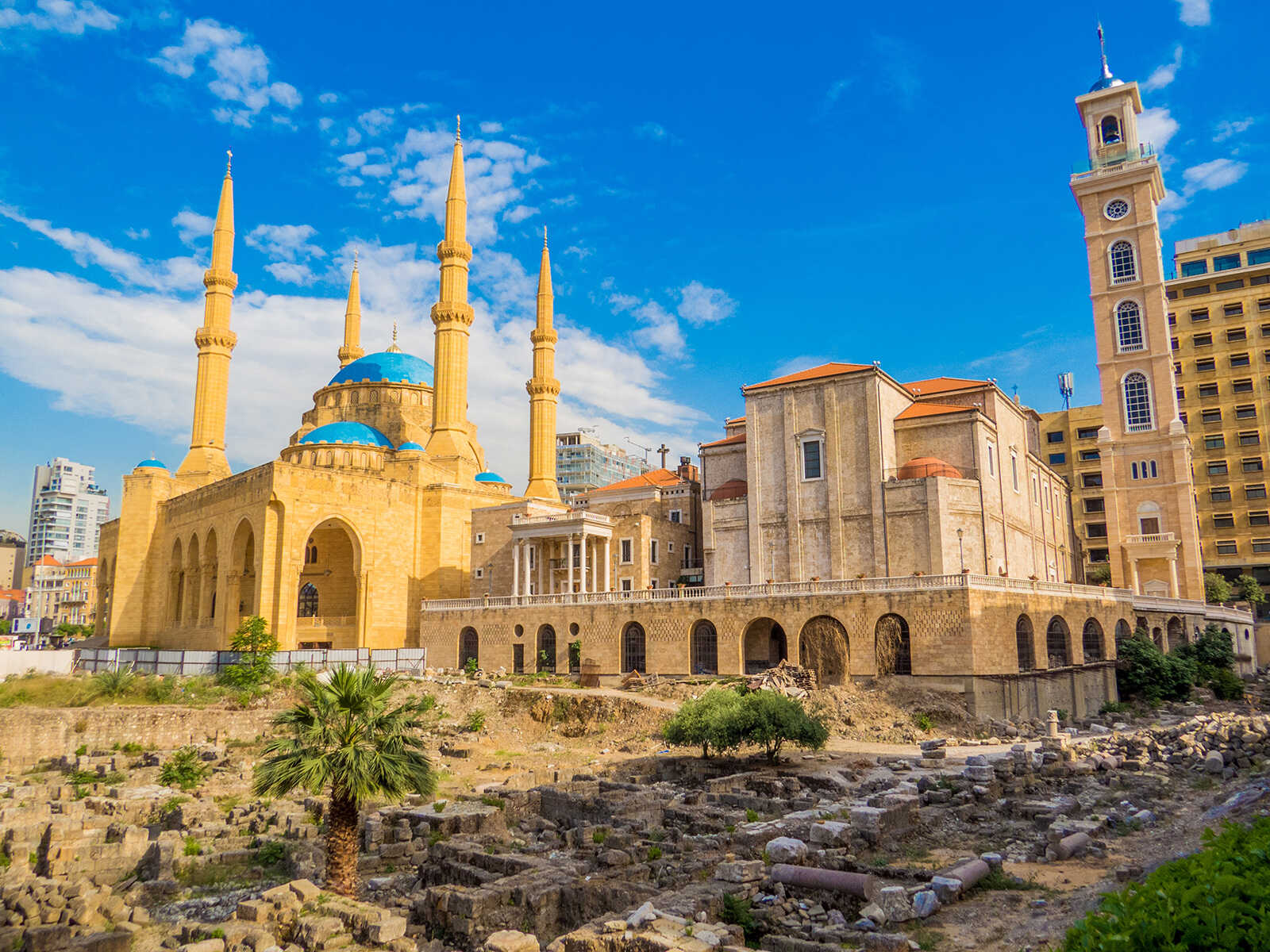
Tyre World Heritage Site: History, Beaches & Roman Ruins
Nestled on Lebanon's southern coast, the ancient city of Tyre (Sour) offers a captivating journey through millennia of history, boasting spectacular Roman ruins, serene sandy beaches, and a vibrant local culture. A UNESCO World Heritage Site, Tyre invites travelers to explore the layers of civilizations that have shaped this remarkable destination, from its Phoenician origins to its Roman grandeur.
A Glimpse into Tyre's Storied Past
Tyre's strategic location made it a pivotal center of trade and power for thousands of years. Its rich history is etched into its archaeological sites, telling tales of empires, sieges, and cultural exchange.
Phoenician Powerhouse
Originally an island city, Tyre rose to prominence as one of the most powerful and influential city-states of ancient Phoenicia. Renowned for its unparalleled maritime prowess, Tyre's sailors and merchants established trade routes across the Mediterranean, founding colonies as far as Carthage. The city's wealth was largely built on its famous purple dye, known as "Tyrian Purple," extracted from murex snails. This precious pigment, reserved for royalty and nobility, brought immense prosperity and prestige to Tyre. Its influence rivaled that of other great Phoenician cities like Byblos, spreading Semitic language and culture across the ancient world.
The Age of Empires
Tyre's wealth and strategic importance made it a target for numerous conquerors. It famously withstood a seven-month siege by Alexander the Great in 332 BC, a testament to its formidable defenses. Following its eventual fall, Tyre became part of the Hellenistic kingdoms, then flourished under Roman rule. During the Roman period, the city saw extensive development, with the construction of magnificent public buildings, roads, and monumental structures, many of which are still visible today. It continued to thrive through the Byzantine era, serving as an important Christian center, before experiencing periods under Arab, Crusader, and Ottoman rule, each leaving their indelible mark on its diverse heritage.
Unearthing Ancient Wonders: Tyre's Roman Ruins
Tyre's two main archaeological sites, Al-Mina and Al-Bass, are extraordinary testaments to its Roman and Byzantine grandeur, earning its UNESCO World Heritage status.
Al-Mina Archaeological Site
Located near the modern fishing port, the Al-Mina site reveals the remains of the ancient city's insular quarter. Here, visitors can wander through the well-preserved ruins of a Roman-Byzantine street, flanked by porticos and lined with shops. Highlights include:
- The Triumphal Arch:A grand entrance that once welcomed visitors to the city.
- Public Baths:Extensive remains of bath complexes, reflecting Roman social life.
- Palaestra:A large exercise ground, often part of the bath complex.
- Residential Quarters:Foundations of ancient houses, some with intricate mosaic floors.
Travel Tip:Take your time to explore Al-Mina. The proximity to the sea and the modern town creates a unique atmosphere where past and present intertwine.
Al-Bass Archaeological Site
Further inland, to the east of the modern city, lies the Al-Bass site, an even larger and more dramatic complex. This area served as the ancient city's necropolis and monumental entrance, boasting some of the most impressive Roman ruins in Lebanon:
- The Hippodrome:One of the largest and best-preserved Roman hippodromes in the world, capable of seating 20,000 spectators for chariot races. Its sheer scale is awe-inspiring.
- Monumental Arch:A towering triple-arched gate, marking the ceremonial entrance to the city, still impressive despite centuries of wear.
- Roman Road:A beautifully paved Roman road, lined with sarcophagi, leading towards the monumental arch and hippodrome.
- Necropolis:An extensive burial ground with hundreds of sarcophagi, showcasing various styles and inscriptions, some dating back to the Phoenician era.
Tyre's Pristine Shores: Beaches and Coastal Charm
Beyond its historical treasures, Tyre is celebrated for its beautiful, uncrowded sandy beaches, which offer a refreshing contrast to the ancient ruins.
The Tyre Coast Nature Reserve
South of the city center lies the Tyre Coast Nature Reserve, a protected area renowned for its pristine sandy beaches, coastal dunes, and diverse ecosystem. This reserve is not only a popular spot for swimming and sunbathing but also plays a crucial role in conservation. It is a vital nesting ground for endangered green sea turtles and loggerhead sea turtles, as well as a significant stopover for migratory birds.
- Relaxation:Enjoy the soft sands and clear waters, perfect for a peaceful day by the Mediterranean.
- Nature Spotting:Keep an eye out for diverse flora and fauna, especially during nesting season for turtles (May to October).
Public Beaches and Relaxation
Throughout the summer, Tyre's public beaches come alive with locals and tourists alike. The atmosphere is relaxed and family-friendly, with various beach clubs offering amenities. The clear, shallow waters are ideal for swimming, and the long stretches of sand provide ample space for sunbathing and leisurely strolls. Many excellent seafood restaurants line the corniche and beachfront, offering fresh catches of the day.
Exploring Modern Tyre: Beyond the Ruins
A visit to Tyre isn't complete without experiencing its vibrant modern life, particularly in the charming old town and bustling souks.
The Souks and Old Town
Wander through the narrow, winding alleys of Tyre's old town and explore its traditional souks. Here, you'll find a lively array of shops selling local produce, spices, textiles, and handicrafts. It's a wonderful place to soak in the local atmosphere, interact with friendly vendors, and discover authentic Lebanese goods.
Local Culture and Cuisine
Tyre is famous for its fresh seafood, a direct reflection of its coastal location and fishing heritage. Sample grilled fish, shrimp, and a variety of traditional Lebanese mezze at one of the many local eateries. The city offers a genuine taste of Lebanese hospitality and cuisine, making it a delightful stop for food enthusiasts.
Practical Tips for Your Visit
- Getting There:Tyre is approximately 80 km south of Beirut, easily accessible by car, taxi, or public bus. The drive offers scenic views of the Lebanese coast.
- Best Time to Visit:Spring (April-May) and Autumn (September-October) offer pleasant weather for exploring the ruins and enjoying the beaches. Summer can be hot, but perfect for beach activities.
- What to Wear:Comfortable walking shoes are essential for navigating the archaeological sites. While at the beaches, typical swimwear is fine, but when exploring the town and ruins, modest attire is recommended out of respect for local customs.
- Duration:Tyre can be visited as a long day trip from Beirut, but an overnight stay allows for a more relaxed exploration of both the ancient sites and the beautiful beaches.
- Combining Your Trip:Consider combining your visit to Tyre World Heritage Site with other historical gems like the impressive Baalbek Roman Ruins in the Beqaa Valley, or a nature escape to the Shouf Biosphere Reserve, home to ancient cedar trees.
Conclusion
Tyre is a destination that truly has it all: a deep, captivating history that comes alive amidst its monumental Roman ruins, idyllic sandy beaches perfect for relaxation, and a vibrant modern culture rooted in ancient traditions. Whether you're a history buff, a beach lover, or a cultural explorer, Tyre offers an unforgettable experience, inviting you to step back in time while enjoying the natural beauty of Lebanon's southern coast.