
Lebanese Culture & Customs: Essential Etiquette for Travelers
Lebanon, a land of ancient history, breathtaking landscapes, and legendary hospitality, offers an unforgettable journey. To truly immerse yourself in this vibrant culture, understanding and respecting local customs is key. This guide provides essential etiquette tips to help you navigate Lebanon with confidence and appreciation.
The Warmth of Lebanese Hospitality (Karam)
At the heart of Lebanese culture isKaram, a profound sense of generosity and hospitality that extends to all, especially guests. You will likely experience this warmth firsthand, from casual greetings to elaborate home invitations. Embracing this spirit will enrich your travels immensely.
Greetings and Introductions
- Handshakes:A handshake is the standard greeting between individuals of the same gender. When meeting someone of the opposite gender, it's best to wait for them to extend their hand first.
- Verbal Greetings:Common greetings include "Salam alaykum" (peace be upon you) or "Marhaba" (hello). A simple "Kifak?" (how are you?) is also appreciated.
- Personal Space:Lebanese people tend to stand closer than in some Western cultures. Don't be alarmed if someone stands quite near during conversation.
- Eye Contact:Direct eye contact is generally seen as a sign of sincerity and respect.
Visiting a Lebanese Home
Being invited into a Lebanese home is a great honor. Here’s how to show your appreciation:
- Gifts:It's customary to bring a small gift for your hosts, such as sweets, flowers, or a souvenir from your home country.
- Shoes:Always remove your shoes at the entrance of a private home. Observe if your hosts or others do this.
- Food & Drink:Expect to be offered food and drink generously. It's polite to accept at least a small amount. Refusing outright can be seen as impolite.
- Compliments:Compliment the food, the home, and the hospitality. Expressing genuine gratitude goes a long way.
Traveler's Tip:When offered refreshments, it's common for a Lebanese host to offer several times. It's polite to initially decline once or twice before accepting, to show you're not presumptuous, but ultimately accept to show appreciation.
Dining Etiquette: A Culinary Journey
Food is central to Lebanese social life, often serving as a lavish expression of love and community. Meals are occasions for family and friends to gather, share, and celebrate.
Sharing is Caring (Mezze Culture)
Lebanese cuisine is famous for itsMezze, a delightful array of small dishes served communally. Embrace the shared experience:
- Communal Eating:Dishes are placed in the center of the table for everyone to share. Dip bread (khobz) into hummus, baba ghanoush, or labneh, and use it to scoop up other foods.
- Right Hand:When eating from communal dishes, it is traditional and polite to use your right hand.
- Pace Yourself:Mezze meals can be extensive and last for hours. Don't feel pressured to finish everything; the abundance is a sign of generosity.
Table Manners and Customs
- Wait for the Host:Do not start eating until the host invites everyone to begin.
- Toasts:If alcohol is served, a toast ("Sahtayn!" – to your health!) is common.
- Leaving Food:While it's polite to try everything, it's generally acceptable to leave a small amount of food on your plate to signal you are full, especially in a home setting. Finishing everything might imply you are still hungry.
Dress Code and Modesty
While Lebanon is known for its relatively liberal atmosphere compared to some other Middle Eastern countries, particularly in urban centers like Beirut, modesty is still valued, especially outside major cosmopolitan areas.
Public Spaces
When exploring the country, from the bustling souks near the Byblos Citadel to the serene landscapes of the Shouf Biosphere Reserve, it's advisable to dress modestly:
- Women:Shoulders and knees should generally be covered. Avoid overly revealing clothing.
- Men:Long pants and shirts are generally preferred over shorts and tank tops, especially in more traditional areas.
Religious Sites
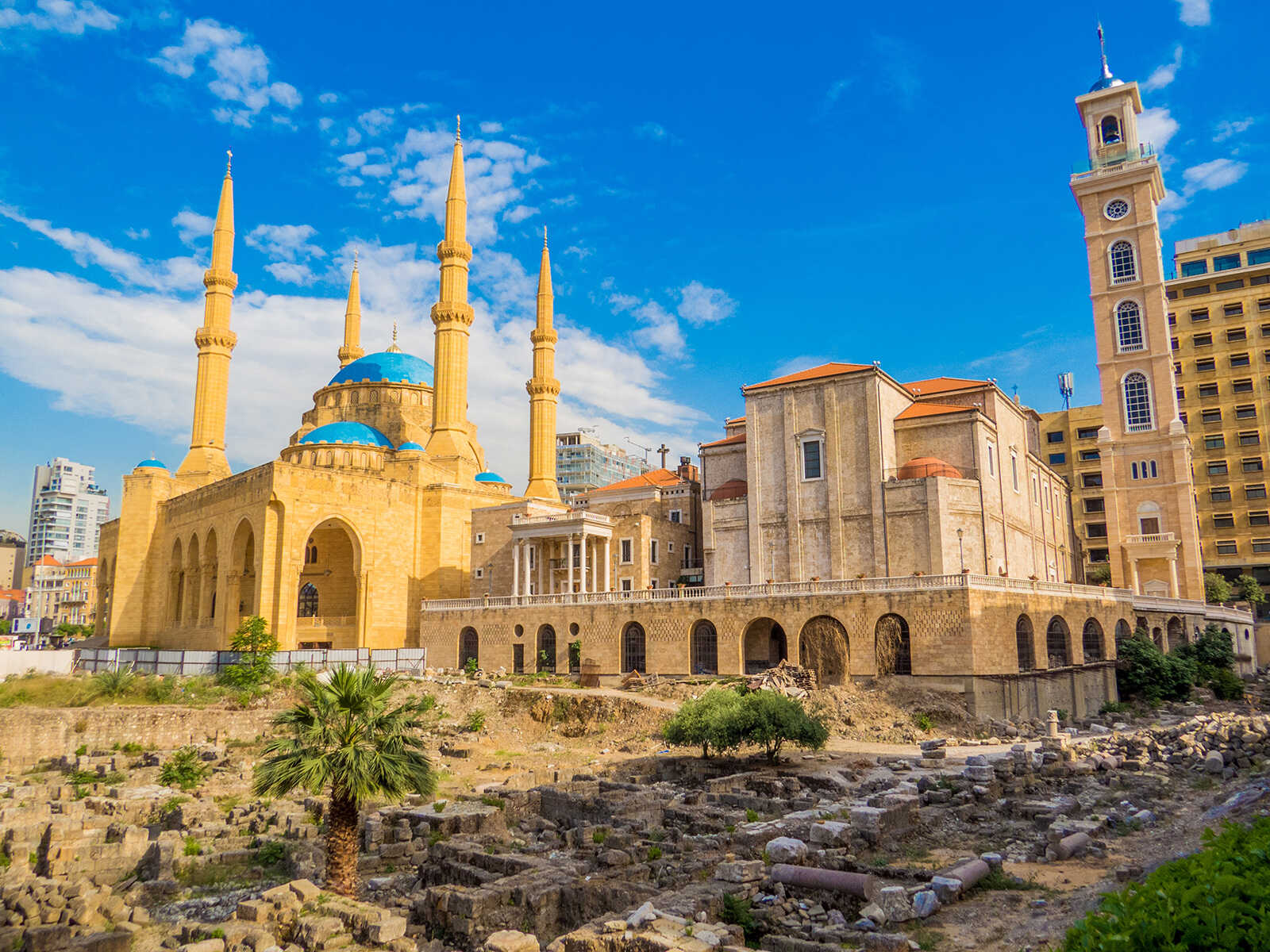
When visiting religious sites, whether it's the grand Mohammad Al-Amin Mosque, the revered Our Lady of Lebanon, or the ancient temples at the Baalbek Roman Ruins, specific dress codes apply:
- Mosques:Women must cover their heads, arms, and legs. Men should wear long pants. Shoes must be removed before entering.
- Churches:While less strict than mosques, modest attire (shoulders and knees covered) is respectful for both men and women.
Respecting Religious and Cultural Diversity
Lebanon is a tapestry of diverse religious communities living side-by-side. This unique mosaic is a cornerstone of its identity.
Interfaith Harmony
The coexistence of Christians, Muslims, and other faiths is a defining characteristic of Lebanon. Showing respect for all religious practices is paramount:
- Avoid Sensitive Topics:Steer clear of discussions on local politics and religion, especially with strangers, as these topics can be highly sensitive.
- Observe and Learn:Take the opportunity to observe and learn about the different traditions you encounter, from the ancient monasteries of the Kadisha Valley to the historical sites of the Tyre World Heritage Site.
Holy Sites and Traditions
When visiting any religious or historical site, whether it's the Beiteddine Palace or the Cedars Of God Bsharri, which hold cultural and spiritual significance:
- Silence and Reverence:Maintain a respectful demeanor, keep your voice low, and be mindful of ongoing prayers or services.
- Photography:Always ask permission before photographing people, especially in religious settings.
Communication and Social Interactions
Navigating social interactions in Lebanon can be delightful with a few key considerations.
Body Language and Gestures
- Head Nod:A slight upward tilt of the head, often accompanied by a raised eyebrow, can mean "no." A downward nod means "yes."
- Pointing:Pointing with your index finger is generally considered rude. Use an open hand gesture instead.
- Public Displays of Affection:While holding hands among same-sex friends is common, overt public displays of affection between couples are generally frowned upon.
Conversation Topics
- Safe Topics:Family, food, travel, and the beauty of Lebanon (mentioning sites like Jeita Grotto or the Baatara Waterfall) are always good conversation starters.
- Avoid:As mentioned, sensitive political or religious topics are best avoided. Also, refrain from asking overly personal questions about income or marital status, especially early in an acquaintance.
Bargaining and Tipping
- Bargaining:In traditional souks and markets, bargaining is expected and part of the experience. Start with a counter-offer significantly lower than the asking price and negotiate politely.
- Tipping:Tipping is customary in restaurants (10-15% if service charge isn't included), for taxi drivers (rounding up the fare), and hotel staff.
Practical Tips for a Smooth Journey
- Learn Basic Arabic Phrases:Even a few words like "Shukran" (thank you) or "Afwan" (you're welcome/excuse me) will be greatly appreciated.
- Be Patient:Things may operate on a more relaxed schedule than you're used to. Embrace the pace.
- Observe and Adapt:Pay attention to how locals interact and try to adapt your behavior accordingly.
- Ask if Unsure:If you're unsure about a custom, politely ask a local. Most Lebanese are very understanding and happy to help.
By keeping these cultural nuances in mind, you'll not only have a smoother trip but also foster deeper connections with the warm-hearted people and rich heritage of Lebanon. Enjoy exploring its wonders, from the ancient Raouche Rocks to the tranquil Lake Qaraoun.