
Learn Basic Lebanese Arabic Phrases for Travelers
Embarking on a journey to Lebanon promises an unforgettable experience, rich with history, stunning landscapes, and unparalleled hospitality. While many Lebanese speak English and French, learning a few basic Lebanese Arabic phrases can profoundly enhance your trip, opening doors to deeper cultural connections and more authentic interactions.
Lebanese Arabic is a Levantine dialect, distinct from Modern Standard Arabic (MSA) but mutually intelligible with other Levantine dialects spoken in Syria, Jordan, and Palestine. Don't be intimidated; locals genuinely appreciate any effort you make to speak their language, and a few key phrases will go a long way in navigating markets, ordering delicious food, and making new friends.
Essential Greetings and Politeness
Starting with polite greetings is the cornerstone of any interaction. These phrases are simple to learn and will instantly endear you to the locals.
- Hello:Marhaba(مرحبا)
- Goodbye:Ma'a salame(مع السلامة)
- Good Morning:Sabah el kheir(صباح الخير)
- Good Evening:Masa el kheir(مساء الخير)
- Please (to a male):Min fadlak(من فضلك)
- Please (to a female):Min fadlik(من فضلكِ)
- Thank You:Shukran(شكراً)
- You're Welcome:Afwan(عفواً)
- Excuse Me / Sorry:Afwan(عفواً) orMet'assif(متأسف - male) /Met'assfe(متأسفة - female)
- Yes:Eh(إيه)
- No:La'(لا)
- How are you? (to a male):Kifak?(كيفك؟)
- How are you? (to a female):Kifik?(كيفكِ؟)
- I'm fine:Mnih(منيح - male) /Mniha(منيحة - female)
UsingMarhabaandShukranfrequently will show respect and open up conversations. Don't forget to respond withAfwanwhen thanked!
Navigating and Asking for Directions
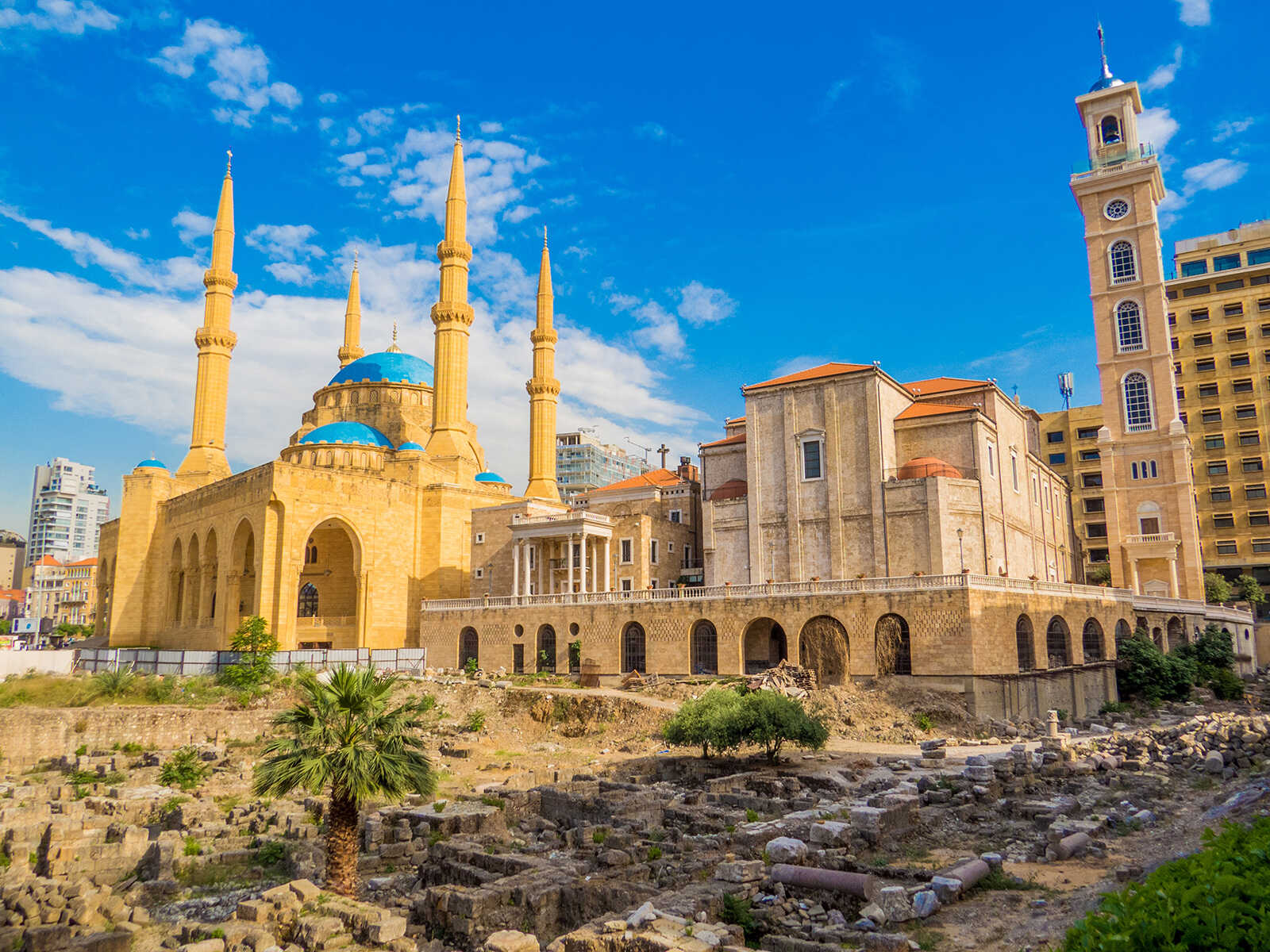
Whether you're exploring the ancient wonders of Baalbek Roman Ruins or finding your way through the vibrant streets of Beirut to the Mohammad Al-Amin Mosque, asking for directions is crucial. Most locals will be happy to assist.
- Where is...?Weyn...?(وين...)
- Go straight:Doughri(دغري)
- Turn right:Laff yamin(لف يمين)
- Turn left:Laff shmel(لف شمال)
- Here:Hon(هون)
- There:Hnik(هنيك)
- Near:Orib(قريب)
- Far:Ba'id(بعيد)
- Stop:W'af(وقف)
- I want to go to...:Baddi rouh a'a...(بدي روح ع...)
For instance, if you're trying to reach the majestic Jeita Grotto, you might say, "Min fadlak, weyn Jeita Grotto?" (Please, where is Jeita Grotto?). Even if you don't understand the full response, pointing and gestures often bridge the gap.
Dining and Ordering Food
Lebanese cuisine is a highlight of any trip, and knowing a few phrases will make ordering a breeze, especially in smaller, more traditional eateries. From savoring fresh seafood at Tyre World Heritage Site to enjoying a traditional mezze near Beiteddine Palace, food is central to the culture.
- I want...:Baddi...(بدي...)
- Water:Mayy(مي)
- Coffee:Ahwe(قهوة)
- Tea:Shay(شاي)
- Menu:Liste(ليستة - from French) orMenu(منيو - from English)
- Delicious:Tayeb(طيب - male/food) /Taybe(طيبة - female/food)
- The bill / Check:El hesab(الحساب)
- Thank you for the food:Sahteyn(صحتين - literally "two healths", a common blessing)
When you're done with your meal, asking for "El hesab, min fadlak/fadlik" will politely signal you're ready to pay. Don't be surprised if your host offers you a complimentary dessert or coffee – that's Lebanese hospitality!
Shopping and Bargaining (Politely)
Shopping in Lebanon, especially in local souks or markets, can be a delightful experience. While prices are often fixed in modern stores, you might find opportunities for polite bargaining elsewhere. Remember to always be respectful and friendly.
- How much is this?Addesh ha'ida?(قدّيش هيدا؟)
- Too expensive:Ghale ktir(غالي كتير)
- Can I have...?Feeni akhod...?(فيني آخد...)
- Do you have...?Feek t'allem...?(فيك تآلّم...) (to a male) /Feeki t'allemi...?(فيكي تآلمي...) (to a female)
A friendly "Addesh ha'ida?" for a souvenir near the Byblos Citadel or a handcrafted item can lead to a pleasant exchange, even if you don't end up purchasing. The interaction itself is part of the cultural experience.
Emergencies and Asking for Help
While we hope you won't need these, knowing a few emergency phrases can provide peace of mind. Lebanese people are generally very helpful and will assist if they see someone in distress.
- Help!:Sa'edni!(ساعدني!)
- I need a doctor:Baddi hakim(بدي حكيم)
- Police:Shurta(شرطة)
- I don't understand:Ma fehmet(ما فهمت)
- Do you speak English?Btihki ingleezi?(بتحكي إنجليزي؟)
In most tourist areas, you'll find someone who speaks English, but trying the Arabic phrase first shows effort and can often get you help faster.
Numbers (1-10)
Basic numbers are incredibly useful for everything from confirming prices to counting items or indicating how many people are in your group.
- One:Wahed(واحد)
- Two:Tnen(اثنين)
- Three:Tlete(ثلاثة)
- Four:Arba'a(أربعة)
- Five:Khamse(خمسة)
- Six:Sitte(ستة)
- Seven:Sab'a(سبعة)
- Eight:Tmene(ثمانية)
- Nine:Tis'a(تسعة)
- Ten:Ashra(عشرة)
Cultural Nuances and Tips for Travelers
Beyond the words, understanding a few cultural points will greatly enhance your interactions:
- The Power of "Kifak":A simple "Kifak?" (How are you?) is more than just a greeting; it's an invitation for connection. Locals often use it even before "Marhaba."
- Hand Gestures:Lebanese communication often involves expressive hand gestures. A quick upward flick of the head or eyebrow can mean "no," and a sharp "tsst" sound can also convey disagreement or a negative response.
- Hospitality:Lebanese people are renowned for their hospitality. Don't be surprised if you're invited for coffee or a meal, even by strangers. Accepting these invitations (if you feel comfortable) is a wonderful way to experience local life.
- Eye Contact:Maintaining eye contact is generally seen as a sign of sincerity and respect.
Travel Tip:Don't be afraid to make mistakes! Locals will appreciate your effort to speak Lebanese Arabic, and often find it endearing. A smile and genuine attempt go a long way.
Practicing these phrases can transform your journey, whether you're hiking through the Shouf Biosphere Reserve, marveling at the Cedars Of God Bsharri, or contemplating the serene Lake Qaraoun. The willingness to engage in their language shows respect for their culture.
Practice Makes Perfect
Before your trip, try practicing these phrases out loud. There are many apps and online resources that can help with pronunciation. While in Lebanon, listen to how locals speak, try to mimic their intonation, and don't be shy to use your newly acquired vocabulary. Every interaction is a chance to learn and connect.
Conclusion
Learning a few basic Lebanese Arabic phrases is more than just a practical skill; it's a gateway to a richer, more authentic travel experience in Lebanon. It's about showing respect, fostering connections, and embracing the vibrant culture that makes this country so unique. So, pack your bags, practice your "Marhaba," and get ready to discover the warmth and charm of Lebanon!
Ma'a salame!