
Driving in Lebanon: A Guide for Renting a Car & Navigating the Roads
Embarking on a road trip through Lebanon offers unparalleled freedom to discover its ancient sites, stunning coastlines, and majestic mountains at your own pace. While the driving experience can be unique, renting a car provides the flexibility to explore hidden gems beyond the typical tourist paths. This comprehensive guide will equip you with the knowledge needed to confidently rent a car and navigate Lebanon's diverse roads.
Why Drive in Lebanon? Unlock Unforgettable Journeys
Lebanon, a country rich in history and natural beauty, is best experienced with the autonomy a rental car provides. Imagine spontaneously diverting to a charming village, chasing sunsets along the Mediterranean, or venturing deep into the Shouf Biosphere Reserve. Public transport can be limited, especially outside major cities, making a rental car an invaluable tool for exploring destinations like the ancient Baalbek Roman Ruins or the serene Kadisha Valley.
Renting a Car in Lebanon: What You Need to Know
Essential Requirements for Renters
To rent a car in Lebanon, you'll generally need:
- Valid Driver's License:Your national driver's license is usually accepted for short stays (up to 3 months), but anInternational Driving Permit (IDP)is highly recommended and often required by rental agencies and for insurance purposes.
- Passport:For identification.
- Credit Card:A major credit card in the driver's name is essential for the security deposit and payment.
- Age Restrictions:Most companies require drivers to be at least 21 or 23 years old, and some may charge a surcharge for drivers under 25.
Choosing the Right Rental Company and Vehicle
You'll find both international chains and reputable local rental companies in Lebanon. While international brands might offer familiar service, local agencies can sometimes provide more competitive rates. Always compare prices, read reviews, and check what's included in the rental package.
Consider the type of vehicle based on your itinerary. A compact car is ideal for navigating busy city streets like those in Beirut, while an SUV or a car with higher ground clearance might be preferable if you plan to explore mountain roads or rural areas, for example, on the way to the Cedars Of God Bsharri or Baatara Waterfall.
Understanding Insurance Policies
Insurance is paramount when driving in Lebanon. Ensure your rental includes comprehensive coverage, typically a Collision Damage Waiver (CDW) and Third-Party Liability (TPL). CDW usually covers damage to the rental car but often comes with an excess (deductible). TPL covers damage to other vehicles or property and injuries to third parties. It's wise to clarify what is covered and consider purchasing additional coverage for peace of mind, especially regarding tire and windshield damage, which are common concerns given road conditions.
Pre-Rental Inspection and Fuel
Before driving off, thoroughly inspect the vehicle for any existing dents, scratches, or damage, and ensure they are noted on the rental agreement. Take photos or videos as proof. Clarify the fuel policy (full-to-full is common) and the type of fuel required (most cars use unleaded petrol, referred to locally as "benzine"). Fuel stations are generally plentiful, but it's always a good idea to keep your tank topped up, especially before heading into remote areas.
Navigating Lebanese Roads: A Unique Experience
Driving Style and Road Culture
Lebanese driving can be described as assertive and fast-paced. Drivers often use their horns liberally – not always out of anger, but frequently as a signal of presence, to greet, or to indicate intentions. Lane discipline can be fluid, and flashing headlights might mean "I'm coming through!" rather than "You go first." Defensive driving is key: anticipate sudden stops, lane changes, and unexpected maneuvers. Patience and a calm demeanor will serve you well.
Expert Tip:When navigating the bustling streets of Beirut or other major cities, remember that horns are part of the communication. A quick tap can signal your presence around a blind corner or before changing lanes. Don't take it personally!
Road Conditions and Signage
Road quality varies significantly. Main highways connecting cities like Beirut to Byblos Citadel or Tyre World Heritage Site are generally well-maintained, but smaller roads, especially in mountainous or rural regions, can be potholed, narrow, or unpaved. Be prepared for speed bumps (often unmarked) and occasional construction. Road signs are typically in both Arabic and English, making navigation easier. However, a reliable GPS app (download offline maps!) is indispensable.
Traffic and Parking
Traffic in Beirut and its surrounding suburbs can be notoriously heavy, particularly during rush hours (morning and late afternoon/early evening). Plan your travel outside these times if possible. Parking in cities can be challenging. Look for designated parking lots or consider valet services, which are common at restaurants and hotels. In smaller towns and tourist sites like Jeita Grotto or Our Lady of Lebanon, parking is usually more accessible.
Speed Limits and Checkpoints
Speed limits are generally 50 km/h in urban areas, 80 km/h on rural roads, and 100 km/h on highways, but these are not always strictly adhered to by locals. Police presence and radar guns exist, so it's always best to respect the posted limits. You may encounter military or police checkpoints, especially on major routes or near borders. These are routine; simply slow down, present your documents (passport, driver's license, rental agreement) if asked, and be polite. Most checks are quick and hassle-free.
Safety and Local Regulations
- Seatbelts:Mandatory for all occupants.
- Mobile Phones:Using a mobile phone while driving is illegal unless hands-free.
- Drinking and Driving:Lebanon has strict laws against driving under the influence. It's best to avoid alcohol entirely if you plan to drive.
- Night Driving:Exercise extra caution after dark. Some roads are poorly lit, and you might encounter unlit vehicles or pedestrians.
- Winter Driving:If traveling to high-altitude areas like the Cedars Of God Bsharri in winter, snow chains are often required and readily available for rent or purchase. Check weather and road conditions before heading into the mountains.
Essential Tips for a Smooth Drive
- Download Offline Maps:Google Maps or Waze are popular, but ensure you have offline maps downloaded, as mobile data coverage can be spotty in remote areas.
- Local SIM Card:Consider purchasing a local SIM card for reliable data and communication.
- Emergency Numbers:Keep emergency service numbers handy (Police: 112, Ambulance: 140, Civil Defense: 125).
- Stay Calm:Lebanese driving can be overwhelming at first. Stay calm, be patient, and drive defensively.
- Learn Basic Phrases:A few Arabic phrases like "Min fadlak" (please) or "Shukran" (thank you) can go a long way.
Discover Lebanon's Treasures by Car
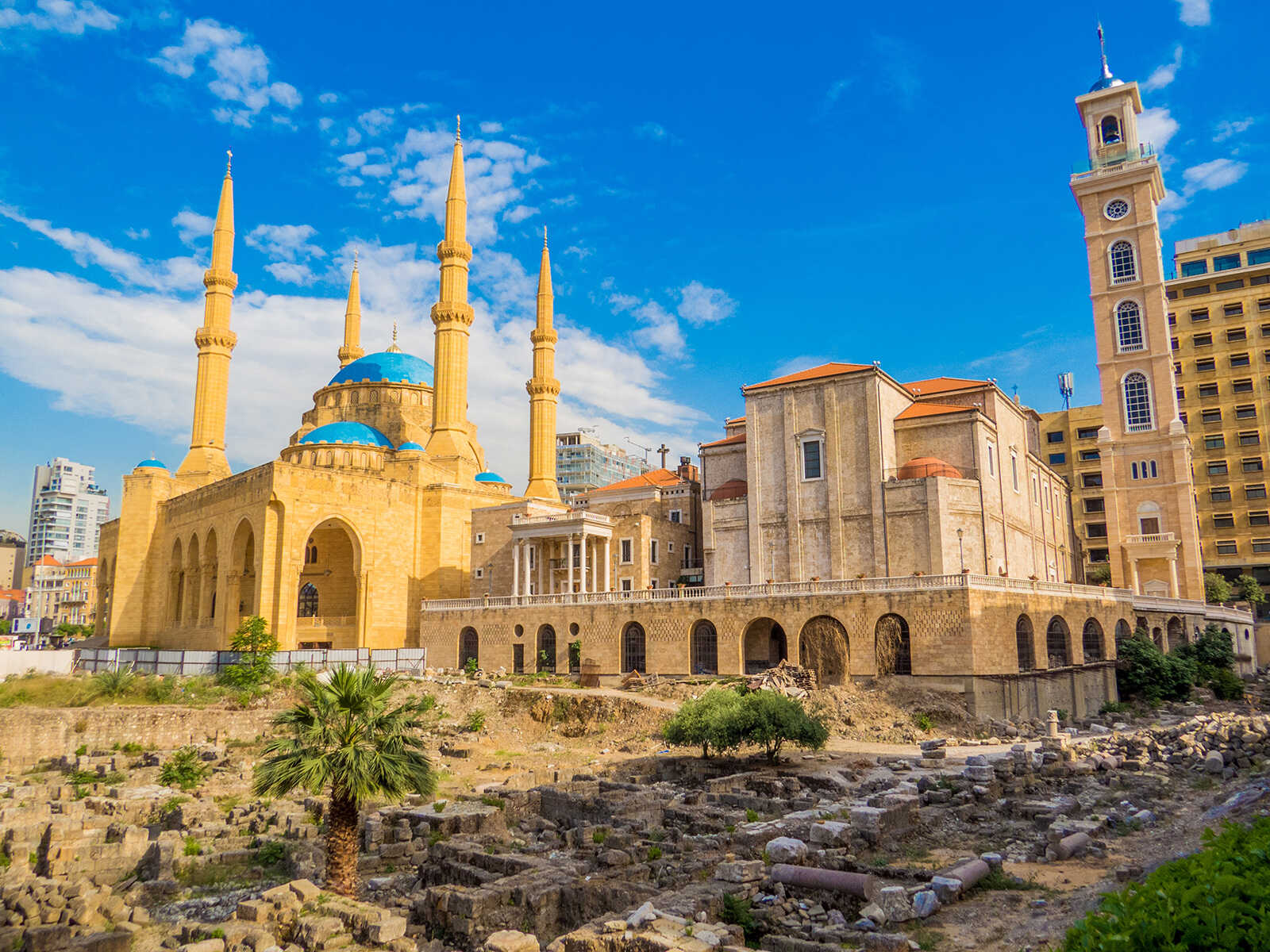
With a rental car, the possibilities for exploration are endless. You can easily journey from the vibrant city life of Beirut, perhaps visiting the Mohammad Al-Amin Mosque or the iconic Raouche Rocks, to the historical wonders of Byblos Citadel in the north or the ancient Tyre World Heritage Site in the south. Drive through the picturesque Chouf mountains to Beiteddine Palace, or head further inland to the tranquil Lake Qaraoun. A car truly empowers you to craft your own Lebanese adventure.
Conclusion
Driving in Lebanon presents a unique adventure, offering unparalleled access to its rich tapestry of history, culture, and natural beauty. While it requires an adventurous spirit and a bit of patience, understanding the local driving culture and preparing adequately for your rental car experience will ensure a memorable and rewarding journey. Buckle up, embrace the experience, and get ready to explore the wonders of Lebanon at your own pace!