
Vientiane Travel Guide: Top Attractions and Must-See Sights
Vientiane, Laos' tranquil capital, offers a captivating blend of French colonial charm and Buddhist serenity. Discover ancient temples, significant monuments, and a laid-back riverside atmosphere that invites deeper exploration into Laotian culture.
Discovering Vientiane's Unique Charm
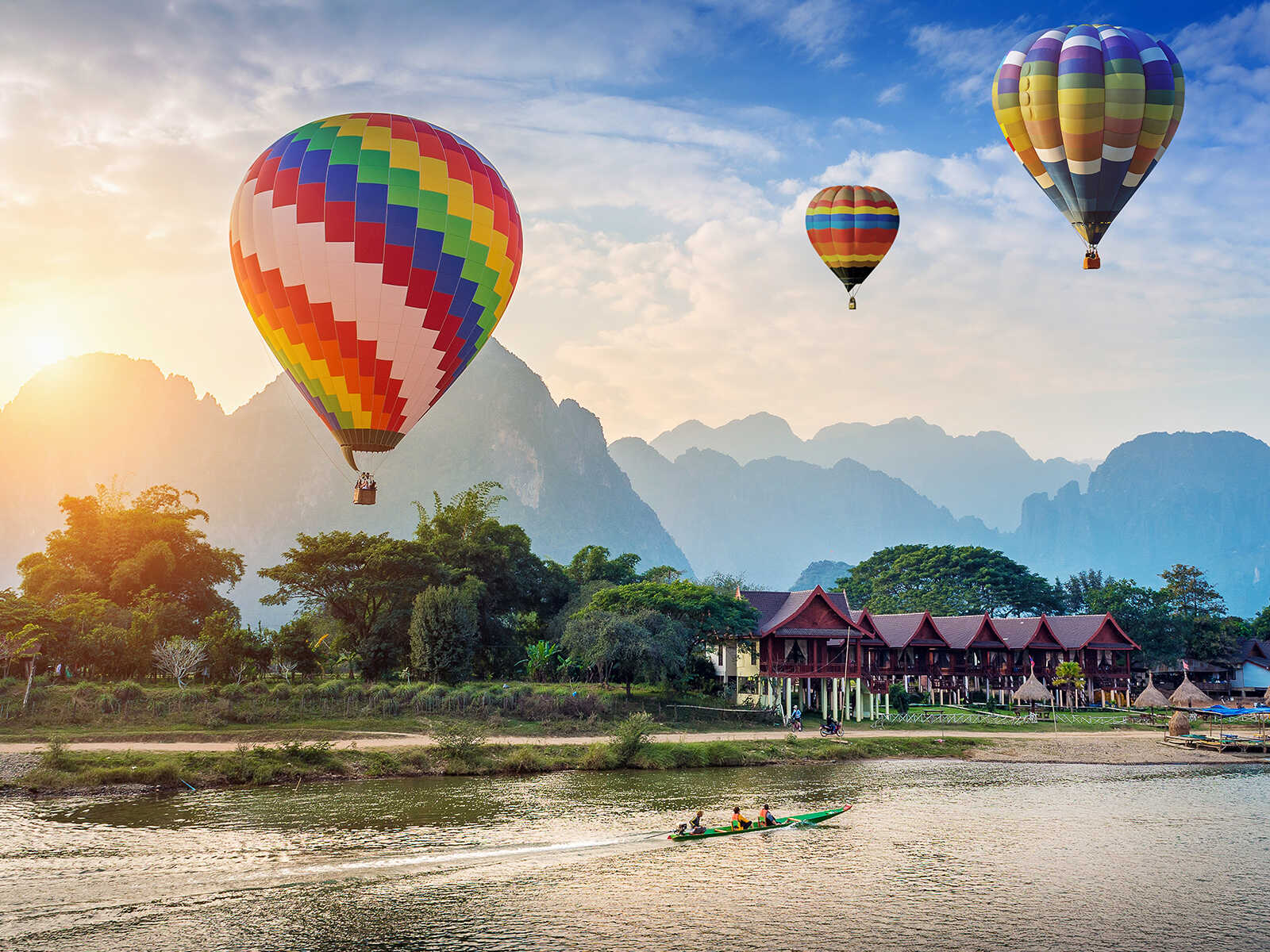
Unlike the bustling metropolises of Southeast Asia, Vientiane embraces a slower pace of life, often described as the world's most relaxed capital. It serves as an ideal entry point for visitors to Laos, providing a gentle introduction to the country's rich heritage before venturing to northern destinations like Vang Vieng or the ancient wonders of Luang Prabang, or heading south to the serene Si Phan Don archipelago. Here, the rhythm of life is dictated by the flow of the Mekong River, and every corner holds a piece of history or a moment of tranquility.
Iconic Religious Landmarks
Pha That Luang (Great Stupa)
The undisputed national symbol of Laos,Pha That Luang is a magnificent gold-covered stupa that gleams under the Vientiane sun. Believed to house a relic of the Buddha, its intricate architecture and towering spires are a testament to Lao craftsmanship and spiritual devotion. A visit during sunrise or sunset offers a particularly breathtaking view, as the golden facade reflects the changing light.
Wat Si Saket
Distinguished as Vientiane's oldest surviving temple, Wat Si Saket stands as a serene sanctuary from the city's gentle hum. Built in 1818, its cloister walls house thousands of miniature Buddha images, ranging from wood and stone to bronze, some dating back centuries. The temple's unique Siamese-style architecture, with a five-tiered roof, survived the Siamese invasion of 1828, making it a rare and invaluable historical treasure.
Haw Phra Kaew (Emerald Buddha Temple)
Once home to the revered Emerald Buddha (now enshrined in Bangkok), Haw Phra Kaew is no longer a functioning temple but has been converted into a museum of religious art. Its beautifully restored wooden interior showcases exquisite carvings, and the surrounding gardens are perfect for a quiet stroll. The museum displays a collection of Buddha statues and artifacts, offering insight into Laos' spiritual past.
Historical and Cultural Insights
Patuxay Monument (Victory Gate)
Often referred to as Vientiane's Arc de Triomphe, Patuxay is a towering war monument dedicated to those who fought for Laos' independence. Its unique design blends traditional Laotian motifs with classical architecture. Climb to the top for panoramic views of the city, including the expansive boulevard leading towards the monument. The surrounding Patuxay Park features beautiful fountains and gardens, providing a pleasant spot for relaxation.
COPE Visitor Centre
A visit to the COPE Visitor Centre is a profoundly moving and essential experience for understanding Laos' modern history. It sheds light on the devastating impact of unexploded ordnance (UXO) from the Secret War and the ongoing efforts to clear the land and assist victims. Through informative exhibits, documentaries, and personal stories, COPE highlights the resilience of the Lao people and the critical humanitarian work being done.
"A visit to the COPE Visitor Centre provides invaluable context to Laos' past and ongoing recovery, offering a powerful insight into the resilience of its people and the quiet heroism of those working for a safer future."
Lao National Museum
For a comprehensive overview of Laotian history, from prehistoric times to the present day, the Lao National Museum is a worthwhile stop. Housed in a French colonial building, the museum's exhibits cover archaeological finds, historical artifacts, and displays detailing the country's struggle for independence and the establishment of the Lao People's Democratic Republic. While some exhibits are modest, the collection offers valuable context for understanding the nation.
Riverside Relaxation and Local Life
Mekong Riverside Park and Night Market
As evening descends, the Mekong River front transforms into a vibrant hub of activity. The Mekong Riverside Park is a popular spot for locals and tourists alike to enjoy a leisurely stroll, engage in exercise, or simply watch the sunset over the river. Adjacent to the park, the lively Night Market springs to life, offering a vast array of handicrafts, clothing, souvenirs, and delectable street food. It’s the perfect place to experience local life and pick up unique mementos.
Morning Market (Talat Sao)
For a taste of authentic local commerce, head to the Morning Market. This bustling complex is a maze of stalls selling everything from fresh produce, meat, and spices to traditional textiles, jewelry, and electronics. It's an excellent place to observe daily Lao life, sample local snacks, and perhaps haggle for a bargain on a silk scarf or a piece of local craftsmanship.
Beyond the City Center
Buddha Park (Xieng Khuan)
Located about 25 kilometers southeast of Vientiane, Buddha Park is an eccentric and fascinating sculpture park. Created by a monk who integrated Hindu and Buddhist philosophies, the park features over 200 concrete statues depicting deities, demons, and various mythological creatures. Highlights include a massive reclining Buddha, a multi-headed serpent, and a giant pumpkin-shaped structure that visitors can enter to climb to the top for panoramic views of the park. It’s a unique cultural experience and a great half-day trip.
Practical Tips for Your Vientiane Visit
Best Time to Visit
The dry season, fromOctober to April, generally offers the most pleasant weather for exploring Vientiane, with cooler temperatures and less humidity. The wet season (May to September) brings lush green landscapes but also more frequent rainfall.
Getting Around
Vientiane is a relatively compact city, making it easy to navigate. Tuk-tuks and jumbos (larger tuk-tuks) are readily available for short distances. Ride-sharing apps also operate in the city, offering a convenient alternative. Many visitors also enjoy renting bicycles to leisurely explore the flat terrain, especially along the riverside.
Local Cuisine
Don't leave Vientiane without sampling the delicious local cuisine. Signature dishes includeLaap(a spicy minced meat salad),Khao Piak Sen(a hearty noodle soup), and, of course, sticky rice, often served in a bamboo basket. The city also boasts a range of French-influenced bakeries and cafes.
Etiquette and Respect
When visiting temples, always dress modestly, covering your shoulders and knees. Remember to remove your shoes before entering any temple or private home. A gentle bow or 'nop' with hands pressed together is a respectful greeting. Always ask permission before taking photos of people, especially monks.
Vientiane: Your Gateway to Laos
Vientiane offers a gentle introduction to the rich tapestry of Laotian culture, history, and natural beauty. Its laid-back charm and significant attractions make it an essential stop on any Laos itinerary. From here, the wonders of the country await, whether you plan to immerse yourself in the spiritual heritage of Luang Prabang, home to sites like the Pak Ou Caves,Kuang Si Waterfall, and Wat Xiengthong, or explore the ancient mysteries of the Plain of Jars.