
Understanding Kyrgyzstan: A Comprehensive Guide to Its People and Land
Nestled in the heart of Central Asia, Kyrgyzstan is a land of breathtaking mountainscapes, ancient nomadic traditions, and unparalleled hospitality. Often called the "Switzerland of Central Asia," this enchanting nation offers a profound journey into a culture deeply intertwined with its majestic natural environment. From towering peaks to serene alpine lakes, understanding Kyrgyzstan begins with appreciating its unique blend of geography and heritage.
The Land of Celestial Mountains: Kyrgyzstan's Geography and Nature
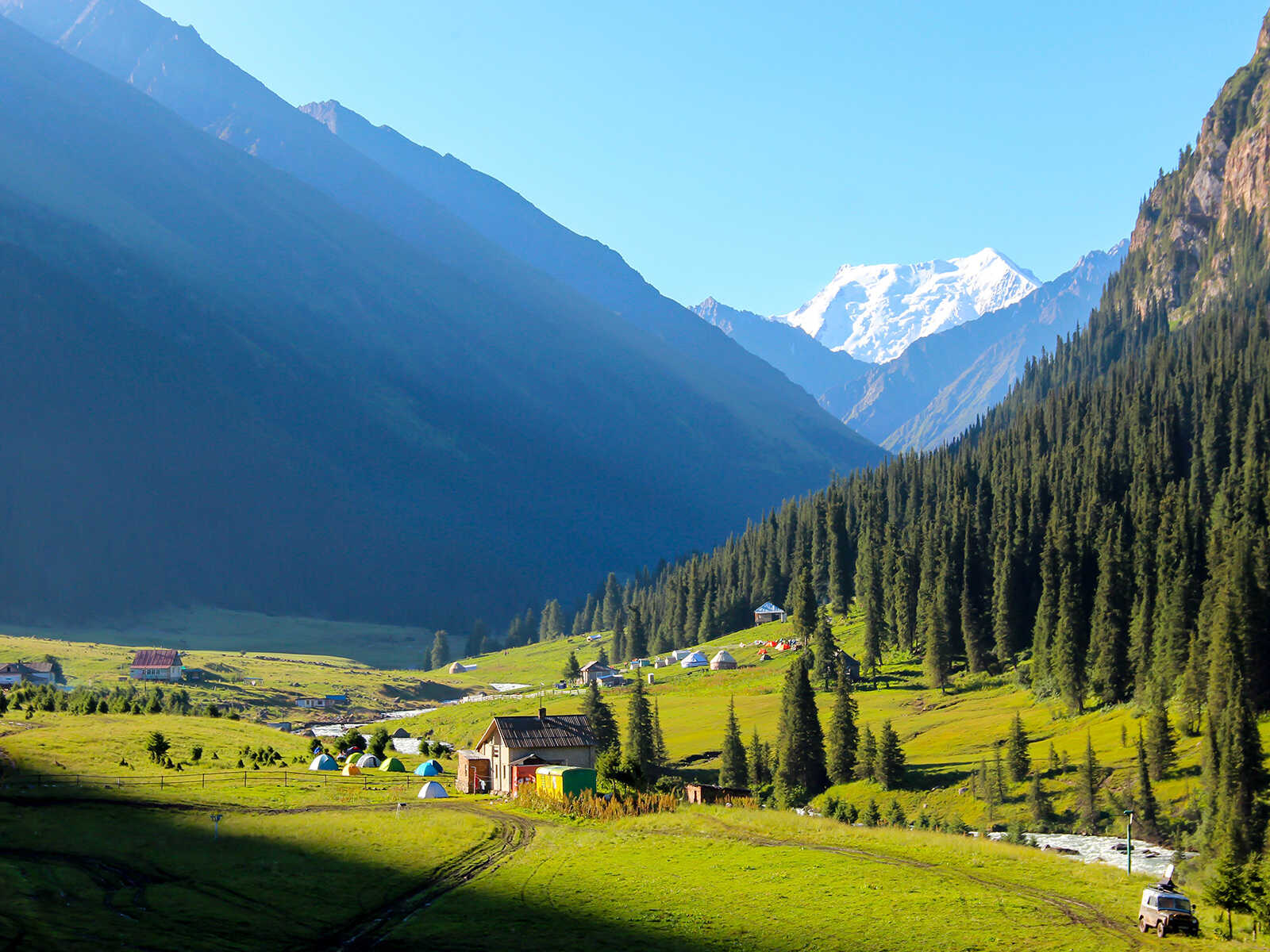
Kyrgyzstan is a landlocked, predominantly mountainous country, with over 90% of its territory situated above 1,500 meters (4,900 feet) and 40% above 3,000 meters (9,800 feet). The majestic Tian Shan mountain range dominates its landscape, offering a dramatic backdrop of snow-capped peaks, verdant valleys, and glacial rivers. Among these giants is Lenin Peak, one of the highest mountains in the Pamir range, challenging experienced mountaineers.
The country is renowned for its stunning high-altitude lakes. The most famous is Issyk Kul, the second-largest saline lake in the world, often called the "pearl of the Tian Shan." Its depths never freeze, making it a unique natural wonder. Other spectacular lakes include the tranquil Song-Kul, a summer pasture for nomadic herders, and the vibrant turquoise waters of Ala-Kul, accessible via challenging treks. Further south, the remote and pristine Köl-Suu offers an otherworldly landscape.
Fun Fact:The name "Tian Shan" translates to "Celestial Mountains" in Chinese, a fitting description for Kyrgyzstan's awe-inspiring peaks that often seem to touch the sky.
Beyond the peaks and lakes, Kyrgyzstan boasts diverse ecosystems. Lush forests, high-altitude steppes, and dramatic rock formations define its varied terrain. Visitors can explore the striking red sandstone cliffs of Seven Bulls rock(Jeti-Oguz) or the otherworldly Martian landscapes of the Konorchek Canyons. Protected areas like Ala Archa National Park, a short drive from Bishkek, offer accessible hiking, while the Sary-Chelek Biosphere Reserve is a UNESCO-recognized haven of biodiversity.
The Heart of Central Asia: Kyrgyzstan's People and Culture
A Nomadic Heritage
The soul of Kyrgyzstan lies in its people and their enduring nomadic heritage. For centuries, the Kyrgyz people have roamed these mountains and steppes, living in harmony with nature and their livestock. This way of life, though modernized, continues to shape their customs, hospitality, and national identity. The yurt, orboz ui, remains a powerful symbol, representing home, family, and tradition. Staying in a yurt on the shores of Song-Kul or near Köl-Suu offers an authentic glimpse into this timeless culture.
Language and Identity
The majority of Kyrgyzstan's population are ethnic Kyrgyz, a Turkic people. The official language is Kyrgyz, a Turkic language, while Russian holds the status of an official language and is widely spoken, especially in urban areas and for inter-ethnic communication. The country is also home to significant minorities, including Uzbeks, Russians, Dungans, and Uighurs, contributing to a rich cultural tapestry.
Religion and Spirituality
Islam is the predominant religion, primarily Sunni Islam, blended with elements of pre-Islamic animistic and Tengrist beliefs. This syncretism is evident in local customs and traditions, where reverence for nature and ancestral spirits often coexists with Islamic practices. Sites like Sulayman Too in Osh, a sacred mountain and UNESCO World Heritage site, exemplify this spiritual fusion, attracting pilgrims from across Central Asia.
Traditions and Hospitality
Kyrgyz hospitality is legendary. Guests are treated with immense respect and generosity, often invited to share meals and stories. Traditional cuisine is hearty and reflects the nomadic lifestyle, featuring dishes likebeshbarmak(noodles with finely chopped meat),laghman(hand-pulled noodles with vegetables and meat), andkumis(fermented mare's milk), a national drink. Traditional sports like Kok Boru (a form of polo played with a goat carcass) and eagle hunting demonstrations are captivating displays of skill and heritage.
Exploring Kyrgyzstan's Past: Historical Sites
Kyrgyzstan's strategic location on the ancient Silk Road has left an indelible mark on its history and landscape. Remnants of this storied past can be found across the country:
- The Burana Tower, near Tokmok, is a minaret from the ancient city of Balasagun, a major trading hub in the Karakhanid era.
- The Tash Rabat Caravanserai, nestled in a remote valley near the Torugart Pass, is a remarkably preserved 15th-century stone caravanserai that once offered refuge to weary Silk Road travelers.
- The Petrogliphs Museum near Cholpon-Ata, on the northern shore of Issyk Kul, features thousands of ancient rock carvings dating back thousands of years, depicting animals, hunting scenes, and daily life.
Practical Tips for Travelers
Visiting Kyrgyzstan is an adventure best undertaken with some preparation:
- Best Time to Visit:The summer months (June to September) are ideal for trekking and high-altitude adventures, offering pleasant weather in the mountains. Spring and autumn are excellent for cultural tours and lower-altitude exploration.
- Visa:Many nationalities enjoy visa-free entry for up to 60 days, but it's always wise to check the latest requirements from official sources before your trip.
- Transportation:Shared taxis and marshrutkas (minibuses) connect towns and cities. For reaching remote areas, hiring a private driver or arranging tours is common. Horse trekking is a popular and authentic way to explore the mountains.
- Accommodation:Options range from modern hotels in Bishkek and Osh to guesthouses in smaller towns, and traditional yurt stays in rural and mountainous regions.
- Connectivity:SIM cards are readily available and affordable, offering good coverage in populated areas, though it can be spotty in remote mountain valleys.
- Cultural Etiquette:Dress modestly when visiting religious sites. Always accept offers of food and tea, even if just a small amount, as a sign of respect for your hosts' hospitality.
Kyrgyzstan is a destination that truly captivates the adventurous spirit. It's a place where ancient traditions meet stunning natural beauty, inviting travelers to step off the beaten path and discover a world of genuine warmth, breathtaking landscapes, and unforgettable experiences. Prepare to be enchanted by the land and its people.