
Trekking in Kyrgyzstan: Essential Gear and Trail Preparation Tips
Kyrgyzstan, the "Switzerland of Central Asia," beckons adventurers with its pristine, rugged landscapes, towering peaks, and nomadic culture. To truly immerse yourself in this land of celestial mountains and high-altitude pastures, proper preparation and the right gear are paramount for a safe and unforgettable trekking experience.
Why Trek in Kyrgyzstan?
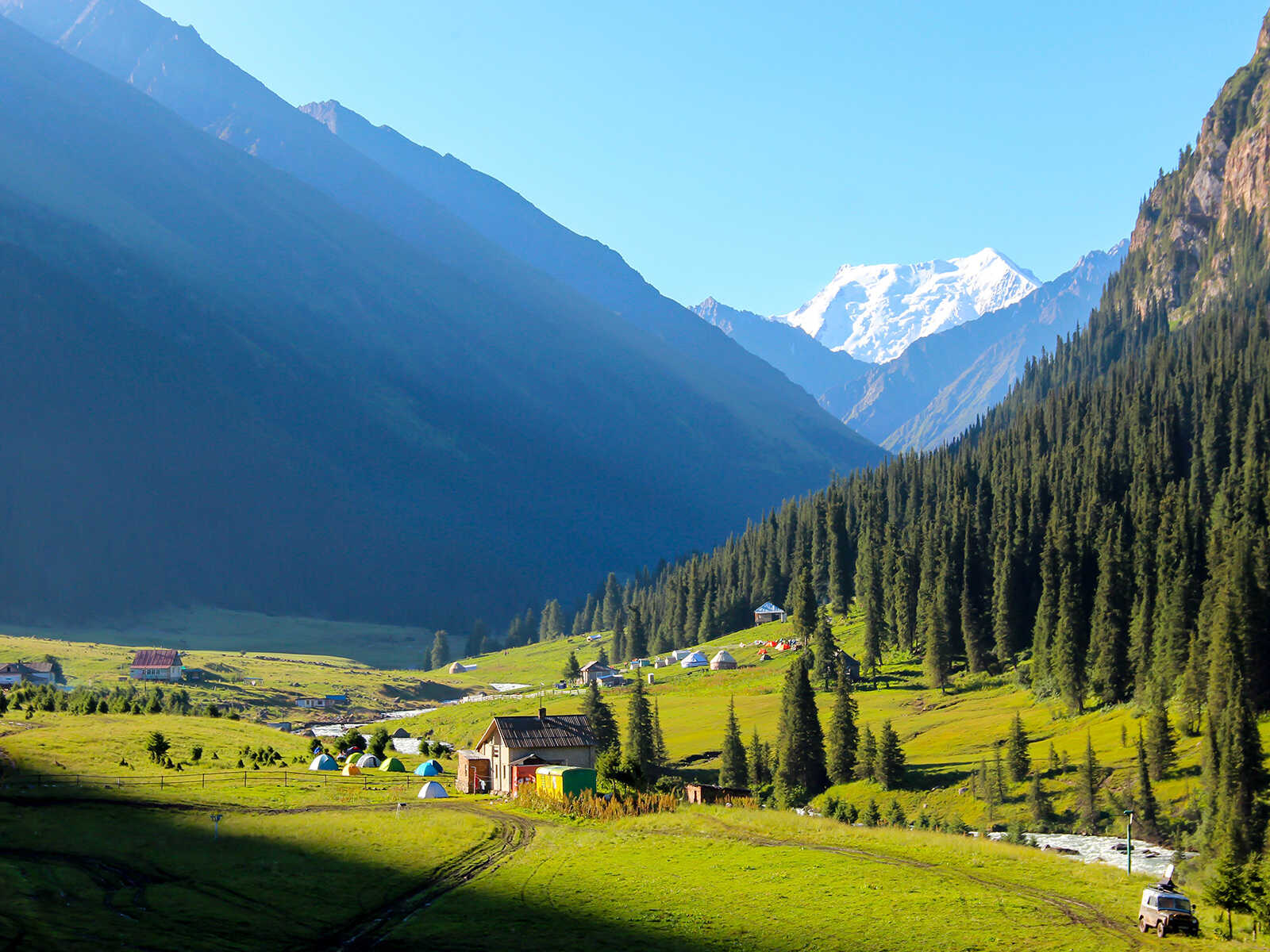
Often referred to as the heart of the Tian Shan mountains, Kyrgyzstan offers unparalleled trekking opportunities for all levels. From gentle walks around serene alpine lakes like Song-Kul, where you can experience nomadic life firsthand, to challenging multi-day expeditions through dramatic passes leading to turquoise jewels like Ala-Kul, the diversity is astounding. Trekkers can explore verdant valleys, ancient petroglyphs, and even catch glimpses of elusive wildlife, all against a backdrop of breathtaking scenery. Popular destinations include the easily accessible Ala Archa National Park near Bishkek, the remote beauty of Köl-Suu, or the vast shores of Issyk Kul, the world's second-largest alpine lake. For serious mountaineers, attempts on Lenin Peak offer a formidable challenge.
Essential Gear for Your Kyrgyzstan Trek
The variable high-altitude weather in Kyrgyzstan demands a versatile and reliable gear list. Invest in quality equipment that can withstand diverse conditions, from scorching sun to sudden snowfalls.
Footwear
- Waterproof Hiking Boots:Essential for ankle support and protection against wet trails and river crossings. Ensure they are well broken-in before your trip.
- Camp Shoes/Sandals:A lightweight pair for relaxing at camp or crossing shallow streams.
- Hiking Socks:Several pairs of moisture-wicking, breathable socks (wool or synthetic) to prevent blisters. Consider liner socks for added comfort.
Clothing Layers
The key to comfort in Kyrgyzstan's mountains is layering. Temperatures can fluctuate dramatically within a single day, or even hours.
- Base Layer:Moisture-wicking tops and bottoms (merino wool or synthetic) to regulate body temperature.
- Mid Layer:Fleece jacket or a lightweight down/synthetic insulated jacket for warmth.
- Outer Shell:
- Waterproof & Breathable Rain Jacket:Crucial for protection against rain and wind.
- Waterproof Rain Pants:Lightweight and packable for sudden downpours.
- Trekking Pants:Durable, quick-drying, convertible pants are ideal.
- Warm Hat, Gloves, and Neck Gaiter:Even in summer, evenings and high altitudes can be cold.
- Sun Hat/Cap:Wide-brimmed for sun protection.
Backpacks
- Main Backpack (45-70 Liters):Choose a comfortable pack that fits your body and can carry all your gear for multi-day treks. Ensure it has a rain cover.
- Daypack (15-25 Liters):For shorter excursions, carrying water, snacks, and essentials.
Shelter & Sleep System
If you're planning multi-day treks independently, or staying in yurts, a good sleep system is vital.
- Tent:A lightweight, 3-season (or 4-season for higher altitudes) tent capable of withstanding wind and rain.
- Sleeping Bag:Rated for temperatures around 0°C to -10°C (32°F to 14°F), depending on the season and altitude. Err on the side of warmer.
- Sleeping Pad:An inflatable or foam pad for insulation and comfort.
Navigation & Safety
- Map & Compass:Even with GPS, a physical map (e.g., from OpenStreetMap or local sources) and compass are essential backups.
- GPS Device/App:Pre-loaded with offline maps and your planned route.
- First-Aid Kit:Comprehensive kit including blister treatment, pain relievers, antiseptic wipes, bandages, and any personal medications.
- Headlamp/Flashlight:With spare batteries, for navigating in the dark.
- Whistle:For emergencies.
- Personal Locator Beacon (PLB)/Satellite Messenger:Recommended for remote treks where cell service is non-existent.
Cooking & Hydration
- Water Filter/Purifier:Essential for safe drinking water from natural sources. Sterilizing tablets are a good backup.
- Water Bottles/Hydration Bladder:Carry at least 2-3 liters capacity.
- Lightweight Cooking System:Stove, fuel, pot, spork, and dehydrated meals if not relying on local food.
Personal Items & Miscellaneous
- Sunscreen & Lip Balm (SPF 30+):High altitude sun is intense.
- Insect Repellent:Especially for lower altitudes and near water bodies.
- Toiletries:Biodegradable soap, toothbrush, small towel.
- Power Bank:For charging electronics as outlets are rare.
- Trekking Poles:Highly recommended for stability, reducing strain on knees, and river crossings.
- Camera & Batteries:To capture the stunning scenery.
- Small Backpacking Towel:Quick-drying.
- Passport & Copies:Keep originals safe, copies in a separate location.
- Local Currency (Som):Essential for small purchases in villages or from nomadic families.
Tip:Many trekking routes in Kyrgyzstan pass through areas where nomadic families graze their livestock. Carrying small, non-perishable gifts like pens for children or simple spices for cooking can be a thoughtful gesture, fostering genuine cultural exchange. Always ask permission before taking photos of people.
Trail Preparation Tips for a Successful Journey
Physical Fitness and Acclimatization
Trekking in Kyrgyzstan often involves significant elevation gain and high altitudes. Prepare your body with cardiovascular exercises, strength training, and hiking with a weighted pack. If possible, plan for a few days of acclimatization at moderate altitudes (e.g., around Issyk Kul or Bishkek's surroundings like Ala Archa National Park) before ascending to higher passes. Listen to your body and be aware of symptoms of Acute Mountain Sickness (AMS).
Research Your Route Thoroughly
Understand the difficulty, duration, and specific challenges of your chosen trail. Some treks require permits, especially in border zones (e.g., near Köl-Suu or Lenin Peak). Consider hiring a local guide, especially for longer or less-traveled routes. Community-Based Tourism (CBT) initiatives offer excellent resources for guides, homestays, and yurt stays, supporting local communities while enriching your experience. A visit to historical sites like the Tash Rabat Caravanserai might even be incorporated into longer itineraries.
Weather Awareness
Mountain weather is notoriously unpredictable. Be prepared for all four seasons in a single day. Check forecasts before and during your trek, but always pack for the worst-case scenario. Thunderstorms and sudden snow can occur even in summer at higher elevations.
Cultural Sensitivity
The warmth and hospitality of the Kyrgyz people are legendary. When encountering nomads or staying in yurts, embrace their traditions. Removing your shoes before entering a yurt, accepting offered tea, and showing respect for their way of life will greatly enhance your interaction. Learning a few basic phrases in Kyrgyz or Russian can also go a long way.
Environmental Responsibility: Leave No Trace
Kyrgyzstan's natural beauty is its greatest asset. Practice Leave No Trace principles: pack out everything you pack in, dispose of waste properly, minimize campfire impacts, respect wildlife, and stay on designated trails. Protect these pristine environments for future generations.
Best Time to Trek in Kyrgyzstan
The prime trekking season in Kyrgyzstan generally runs fromJune to September. July and August offer the warmest weather and best conditions for crossing high passes, though they can also be the busiest. Early June and late September can still be excellent, with fewer crowds and vibrant autumn colors, but require preparation for colder temperatures and potential early snowfalls at altitude.
Conclusion
Trekking in Kyrgyzstan is an adventure that promises breathtaking vistas, profound cultural encounters, and a deep connection with nature. By meticulously preparing your gear and adhering to essential trail tips, you'll be well-equipped to navigate its stunning landscapes safely and responsibly. Embrace the challenge, soak in the beauty, and let the spirit of the Tian Shan captivate your soul.