
Silk Road in Kyrgyzstan: Tracing Ancient Trade Routes & Caravanserais
Kyrgyzstan, a land of majestic mountains and vast steppes, once served as a pivotal crossroads on the ancient Silk Road. This historic network of trade routes connected East and West, facilitating the exchange of not only goods but also cultures, religions, and ideas across continents.
Kyrgyzstan: A Vital Crossroads on the Silk Road
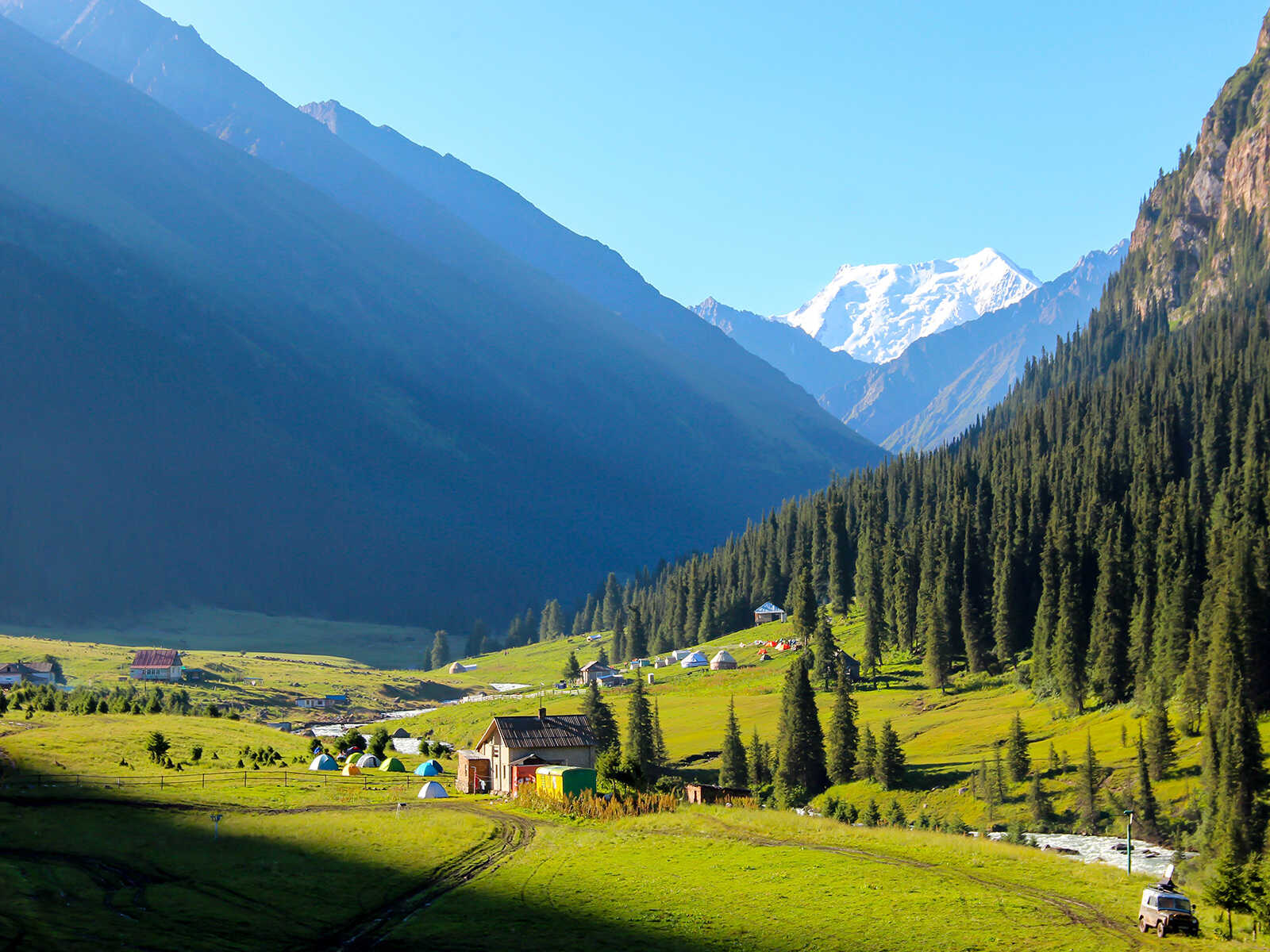
Nestled in the heart of Central Asia, Kyrgyzstan's rugged terrain, dominated by the formidable Tian Shan mountain range, presented both challenges and opportunities for Silk Road merchants. Its strategic location meant that various branches of the Silk Road wound their way through its valleys and high passes, connecting prosperous cities in China with the fertile Fergana Valley and beyond to Persia and Europe. Caravans laden with silk, spices, precious metals, and other exotic commodities traversed these routes, making Kyrgyzstan a vibrant hub of commercial and cultural interaction.
Key Silk Road Branches Through Kyrgyzstan
The vast network of the Silk Road wasn't a single path but rather a complex web of routes, each adapting to the geography and political landscape of the time. In Kyrgyzstan, three primary arteries facilitated the flow of trade.
The Northern Route
Often referred to as the "Tian Shan Northern Route," this branch traversed the fertile Chui Valley, passing through what is now modern-day Bishkek. It continued eastward along the northern shores of Issyk Kul, the world's second-largest high-altitude lake, before veering into China. This route was crucial for connecting the nomadic tribes of the steppes with settled agricultural communities and imperial powers.
One of the most iconic remnants of this route is the Burana Tower, an eleventh-century minaret near the city of Tokmok. This lone tower stands as a sentinel over the ruins of Balasagun, a once-thriving Karakhanid city that was a significant stop for caravans.
The Southern Route
The "Fergana Valley Route" entered Kyrgyzstan from Uzbekistan, passing through the ancient city of Osh. Osh, with its history spanning over 3,000 years, was a crucial trading post and a major center for artisans and merchants. The route then continued eastward, often over mountain passes, to connect with Kashgar in present-day China.Sulayman Too, a sacred mountain in Osh, stands as a UNESCO World Heritage site, bearing witness to millennia of human activity and pilgrimage, including its role on the Silk Road.
The Central Route
Perhaps the most challenging but also one of the most direct, the "Central Tian Shan Route" plunged deep into the heart of Kyrgyzstan's mountains. This route connected the Fergana Valley with Kashgar, often via high-altitude passes like Torugart, where merchants braved extreme weather conditions. It was along this arduous path that some of the best-preserved caravanserais, like Tash Rabat Caravanserai, provided crucial shelter.
Architectural Remnants: Caravanserais and Ancient Sites
The Silk Road's legacy in Kyrgyzstan is not just in ancient tales but also in tangible structures that stand testament to its past grandeur. These sites offer a direct window into the lives of the merchants, pilgrims, and soldiers who once traveled these routes.
Tash Rabat Caravanserai
Undoubtedly the most impressive and well-preserved caravanserai in Central Asia,Tash Rabat Caravanserai is a stone edifice nestled in a picturesque valley near the Chinese border. Dating back to the 15th century (though some suggest earlier foundations), this fortified inn provided a secure stopping point for caravans, offering protection from harsh weather and bandits. Its robust stone walls and intricate architectural design, featuring 31 rooms and a central domed hall, speak volumes about its strategic importance and the wealth it once protected. Exploring its dimly lit chambers today evokes a profound sense of history.
Burana Tower
Located in the Chui Valley, the Burana Tower is a striking minaret that once belonged to the ancient city of Balasagun, a thriving Karakhanid capital from the 10th to 12th centuries. Though much of the city lies in ruins, the tower, originally over 45 meters tall, remains a powerful symbol of the region's rich medieval past. Nearby, one can explore excavated foundations, a collection of ancient Turkic grave markers known asbalbals, and a small museum showcasing artifacts from the site, painting a vivid picture of a bustling Silk Road settlement.
Sulayman Too
In the southern city of Osh,Sulayman Too, or Solomon's Mountain, is a sacred peak that has been a place of pilgrimage for millennia. Its caves and rock carvings bear witness to ancient spiritual practices, and its strategic position overlooking the Fergana Valley made it a natural landmark and defensive point along the Silk Road. The mountain offers panoramic views of Osh and served as a beacon for weary travelers approaching the city.
Traveler's Tip:While many Silk Road sites are remote, plan your visit to Tash Rabat Caravanserai in conjunction with a trip to Song-Kul lake. The journey between these two sites offers stunning mountain scenery and an authentic glimpse into nomadic life.
Petroglyphs and Ancient Rock Art
Beyond grand structures, the Silk Road's story is etched into the very landscape of Kyrgyzstan. Numerous sites across the country feature ancient petroglyphs, rock carvings created by early nomadic peoples. These intricate artworks depict hunting scenes, animals, and daily life, offering insights into the pre-Islamic cultures that thrived along the trade routes. A notable collection can be found at the Petrogliphs Museum near Cholpon-Ata, on the northern shore of Issyk Kul.
The Nomadic Legacy and Cultural Exchange
The Silk Road was not just about goods; it was a conduit for cultural exchange. Kyrgyzstan's nomadic heritage was profoundly influenced by these interactions. Buddhism, Nestorian Christianity, and later Islam all traveled along these routes, leaving their mark on the region's spiritual landscape. Technologies like papermaking and gunpowder, artistic styles, and culinary traditions also spread across continents, enriching the societies they touched.
The Kyrgyz people, with their deep-rooted nomadic traditions, played a crucial role in facilitating safe passage for caravans, often acting as guides and protectors across the treacherous mountain passes. The hospitality ingrained in Kyrgyz culture today can be seen as a direct descendant of the need to welcome and shelter travelers on the Silk Road.
Experiencing the Silk Road Today
For modern adventurers, tracing the Silk Road in Kyrgyzstan is an immersive journey back in time. The routes that once echoed with the footsteps of merchants and their caravans are now perfect for trekking, horseback riding, and exploring by jeep.
- Mountain Adventures:Hike to pristine alpine lakes like Ala-Kul or the remote Köl-Suu, following paths that might have been ancient trade arteries.
- Nomadic Immersion:Spend a night in a traditional yurt camp at Song-Kul, experiencing the timeless hospitality of the Kyrgyz people, much like ancient traders would have done.
- Scenic Drives:Drive through dramatic landscapes such as the Konorchek Canyons, or explore the natural beauty around Issyk Kul and the Seven Bulls rock formation in Jeti-Oguz, imagining caravans winding through these same vistas.
- Nature & Wilderness:While not directly on a major Silk Road route, exploring areas like Ala Archa National Park or the Sary-Chelek Biosphere Reserve offers a glimpse into the untouched natural beauty that has defined Kyrgyzstan for millennia, providing a sense of the vastness ancient travelers encountered.
Journeying through Kyrgyzstan today is to walk in the footsteps of history. From the bustling bazaars of Osh to the serene solitude of Tash Rabat Caravanserai, the echoes of the Silk Road are palpable. It's an opportunity to connect with a past where cultures converged, and to witness the enduring spirit of a land that remains as wild and welcoming as it was centuries ago.