
Kyrgyzstan Horse Trekking: An Unforgettable Nomadic Experience
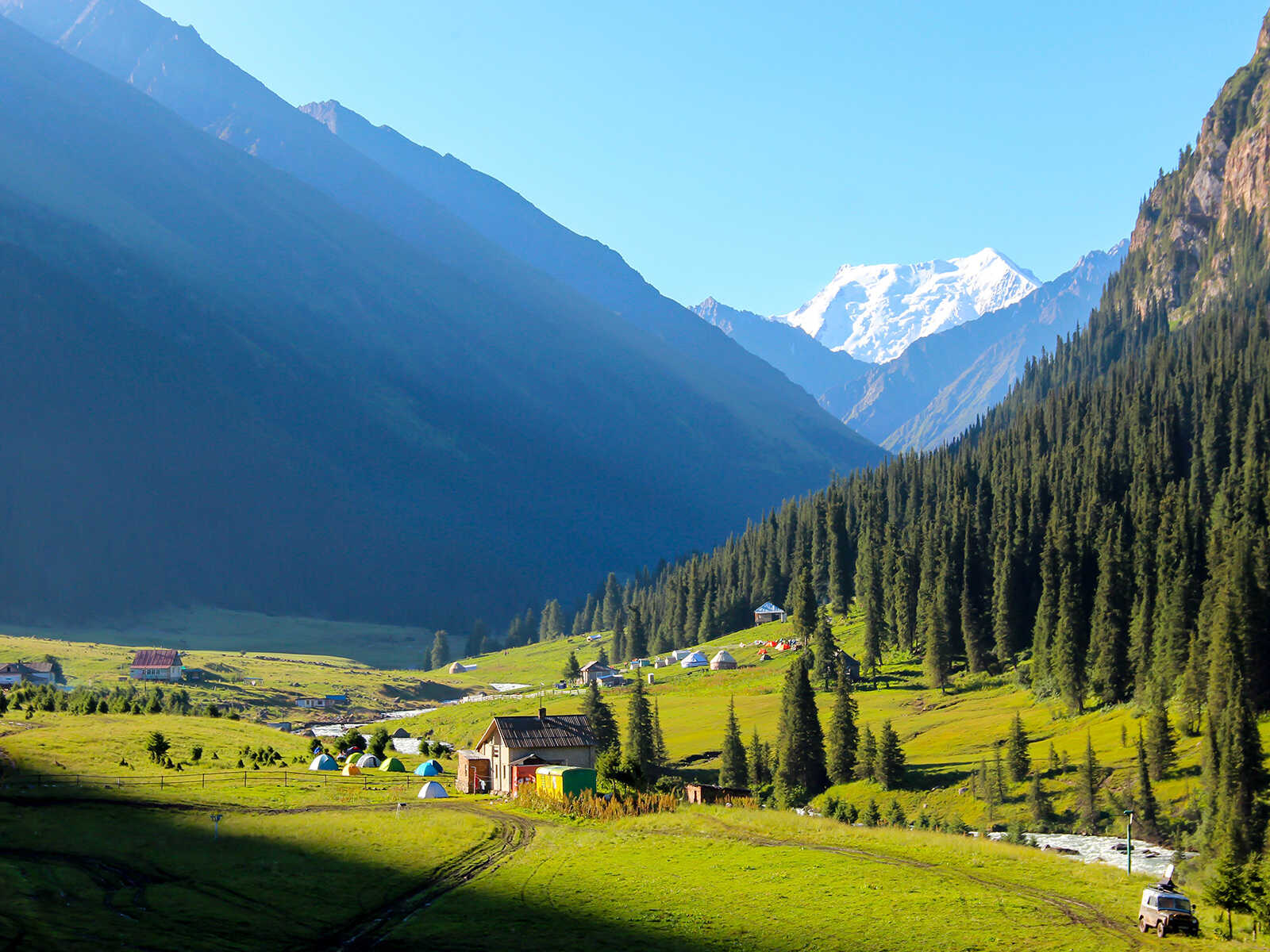
Embark on an extraordinary journey through the heart of Central Asia with a horse trekking adventure in Kyrgyzstan. This land of towering peaks, pristine alpine lakes, and vast steppes offers an unparalleled opportunity to connect with nature and experience a timeless nomadic culture.
Why Horse Trek in Kyrgyzstan?
Kyrgyzstan, often called "the Switzerland of Central Asia," is a paradise for adventurers, and horse trekking is undoubtedly its signature experience. For centuries, horses have been central to Kyrgyz nomadic life, serving as transport, companions, and symbols of prestige. This deep-rooted connection means that the local horses are incredibly sure-footed and well-adapted to the rugged mountain terrain, making them ideal for exploring areas inaccessible by vehicle.
Beyond the practicalities, horse trekking here offers profound cultural immersion. You’ll ride alongside local guides, stay in traditional felt yurts, and witness the daily rhythms of nomadic life firsthand. Imagine waking up to the sound of grazing horses, sipping kumis (fermented mare's milk), and sharing meals with a Kyrgyz family under a sky full of stars. This isn't just a holiday; it's a journey into a living heritage.
Popular Horse Trekking Destinations
Kyrgyzstan boasts numerous stunning regions perfect for horse trekking, catering to various skill levels and trek durations:
Song-Kul Lake: The Classic Nomadic Experience
Perhaps the most iconic destination for horse trekking,Song-Kul is a vast alpine lake nestled at over 3,000 meters. Treks here typically involve riding across wide-open pastures, staying in yurt camps, and experiencing authentic nomadic hospitality. It's an excellent choice for those seeking a tranquil, culturally rich experience without overly challenging terrain.
Tash Rabat Caravanserai: A Journey Through History
Combine adventure with history by trekking to the Tash Rabat Caravanserai, a remarkably preserved 15th-century stone caravanserai along the ancient Silk Road. Treks in this region often involve crossing high mountain passes and offer a glimpse into Kyrgyzstan's trading past amidst breathtaking landscapes.
Ala-Kul Lake: Alpine Challenge and Reward
For more experienced riders seeking a challenge, the trek to Ala-Kul is an unforgettable adventure. This stunning turquoise alpine lake, located in the Terskey Ala-Too mountains, requires navigating steep ascents and descents, often crossing high mountain passes. The reward is unparalleled views and the satisfaction of reaching one of Kyrgyzstan's most beautiful natural wonders.
Köl-Suu Lake: Remote Beauty
Venture to the remote south of Kyrgyzstan to discover Köl-Suu, a spectacular lake situated near the Chinese border. Its unique geological setting, with towering cliffs plunging directly into its emerald waters, makes for an awe-inspiring trek. Access is challenging, but the isolated beauty is well worth the effort.
Issyk Kul Region: Diverse Landscapes
The area around Issyk Kul, the world's second-largest high-altitude lake, offers diverse trekking opportunities. From the lush valleys of Karakol and Jyrgalan to the dramatic red rock formations like Seven Bulls rock(Jeti-Oguz), you can find treks ranging from a few hours to several days, often combining mountain riding with lakeside views.
Ala Archa National Park: Accessible Wilderness
Closer to the capital Bishkek,Ala Archa National Park provides opportunities for shorter horse treks, often as day trips. While not as remote as other destinations, it offers stunning alpine scenery and a taste of mountain riding for those with limited time.
Fun Fact:The traditional Kyrgyz saddle, often made of wood and covered with leather, is designed for comfort during long journeys and to prevent injury to the horse. It's higher than Western saddles, providing good support for riders.
What to Expect on a Horse Trek
Horse trekking in Kyrgyzstan is an authentic experience, meaning facilities can be basic but the hospitality is immense.
- Accommodation:Most multi-day treks involve staying in traditional felt yurts, either at designated yurt camps or with nomadic families. You'll sleep on thin mattresses on the floor, often sharing the yurt with other trekkers. Tents may also be used for some itineraries.
- Food:Meals are typically simple, hearty, and reflect local cuisine – think pasta, rice, potatoes, bread, some vegetables, and often mutton or beef. Tea and bread are staples. Vegetarians should inform their tour operator in advance.
- Guides & Horses:You'll be accompanied by experienced local guides who know the terrain and the horses intimately. The horses are generally calm, well-trained, and accustomed to mountain trails. They are smaller than many Western breeds but incredibly strong and agile.
- Riding Level:Treks are available for all levels, from complete beginners to experienced riders. Beginners will be given a calm horse and basic instruction. While some experience is beneficial, it's not strictly necessary for many routes. However, a good level of physical fitness is important for spending long hours in the saddle.
Planning Your Horse Trek
Best Time to Go
The prime season for horse trekking in Kyrgyzstan is fromJune to September. During these months, mountain passes are generally clear of snow, and the weather is most favorable. July and August are the warmest months, while June and September offer cooler temperatures and fewer crowds.
What to Pack
Preparation is key for a comfortable trek. Here’s a basic packing list:
- Clothing:Layers are essential. Pack thermal base layers, fleece, a waterproof and windproof jacket and trousers, comfortable riding trousers (no jeans if possible, they chafe), warm hat, gloves, and sunglasses.
- Footwear:Sturdy, comfortable hiking boots with good ankle support are ideal for riding and walking around camp.
- Sun Protection:High-altitude sun is intense. Bring sunscreen, lip balm with SPF, and a wide-brimmed hat.
- Personal Items:Small towel, biodegradable toiletries, headlamp, power bank, basic first-aid kit, water bottle with filter or purification tablets.
- Small Backpack:For daily essentials while riding.
- Sleeping Bag:A warm sleeping bag (comfort rating 0°C to -5°C) is highly recommended for yurt stays.
Booking a Trek
It's advisable to book your horse trek through a reputable local tour operator or a Community Based Tourism (CBT) office. These organizations not only ensure safe and well-organized tours but also support local communities directly. They can arrange horses, guides, food, and accommodation.
Safety & Health
Altitude sickness can be a concern at higher elevations. Allow time for acclimatization if your trek involves significant altitude gain. Always carry a basic first-aid kit and inform your guide of any medical conditions. Travel insurance that covers adventure activities is highly recommended.
Cultural Sensitivity
The nomadic culture is integral to the horse trekking experience. Be respectful of local customs, ask permission before taking photos of people, and be prepared for simple living conditions. Engaging with locals, even through simple gestures, will enrich your journey immensely.
The Nomadic Heart of Kyrgyzstan
Horse trekking in Kyrgyzstan is more than just an outdoor activity; it's a profound cultural immersion. It allows you to step back in time, away from the digital noise, and connect with a way of life that has endured for centuries. The hospitality of the Kyrgyz people, their deep reverence for horses, and the sheer majesty of the landscape combine to create an experience that truly touches the soul.
Whether you're an experienced equestrian or a novice rider seeking adventure, Kyrgyzstan's horse trails offer a unique path to discovery. Saddle up and prepare for an unforgettable journey into the heart of Central Asia's nomadic heritage.