
Kyrgyzstan Culture & Customs: What Travelers Need to Know
Kyrgyzstan, a land of soaring peaks and ancient traditions, offers travelers a unique glimpse into nomadic life. Understanding its rich culture and customs is key to a meaningful and respectful journey through this captivating Central Asian nation. Embrace the warmth of its people and the depth of its heritage.
Nestled in the heart of Central Asia, Kyrgyzstan is a country where ancient nomadic traditions still shape modern life. From the majestic Tien Shan mountains to the bustling bazaars, the spirit of the Silk Road endures. For travelers, immersing oneself in Kyrgyz culture means appreciating its deep-rooted hospitality, respect for elders, and a way of life intrinsically linked to the land and its horses. This guide will help you navigate the cultural nuances, ensuring a rewarding and respectful travel experience.
The Heart of Kyrgyz Culture: Nomadic Heritage & Hospitality
A Legacy of the Steppe
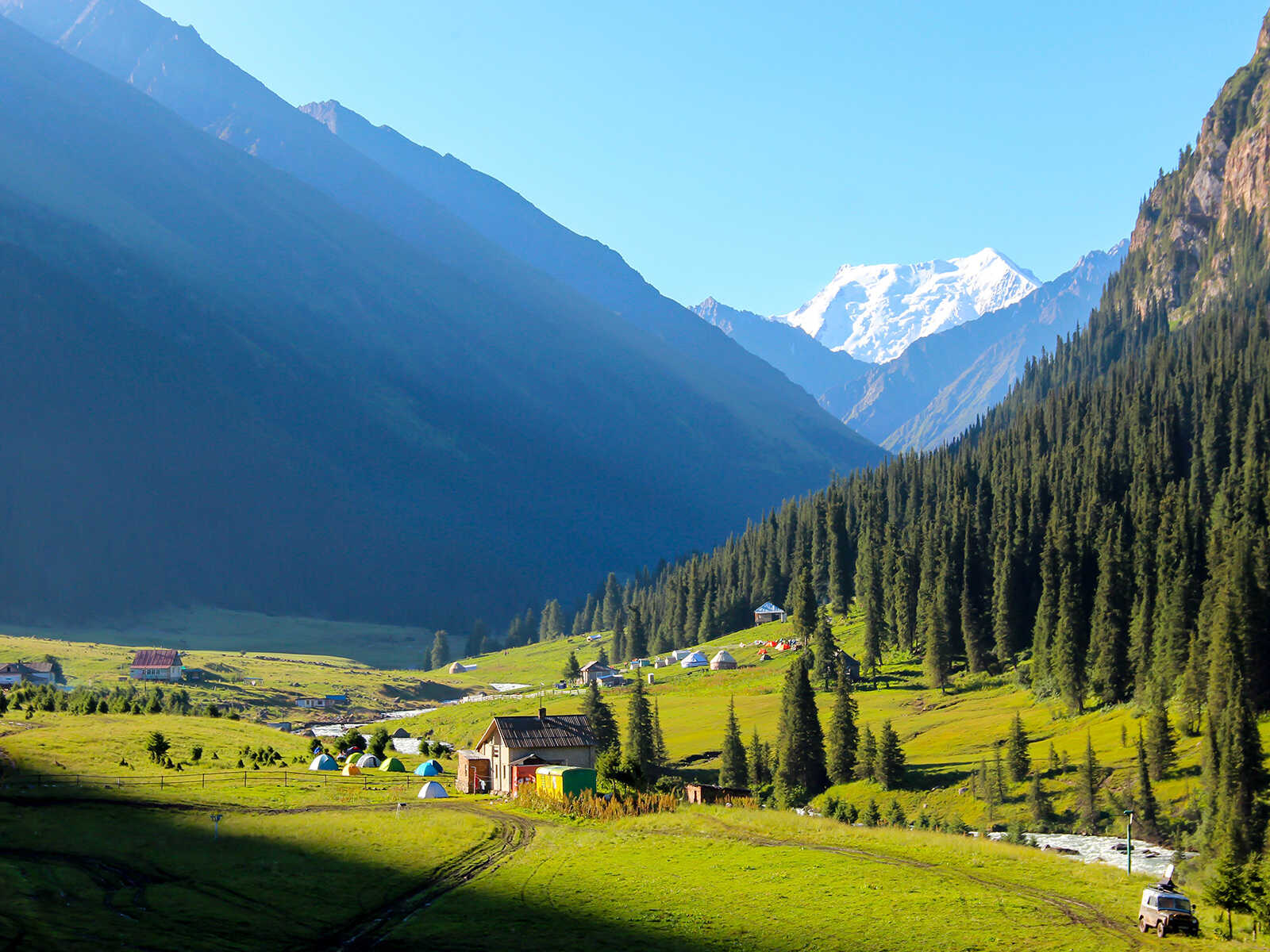
For centuries, the Kyrgyz people have lived a nomadic or semi-nomadic existence, moving with their herds across vast pastures. This lifestyle has instilled a profound connection to nature and a strong sense of community. Theyurt(boz-ui in Kyrgyz), a portable felt dwelling, remains a powerful symbol of national identity and can still be experienced in high-altitude pastures like Song-Kul or near the historical Tash Rabat Caravanserai. This heritage is also evident in traditional equestrian sports and the reverence for horses, which are central to Kyrgyz life.
Meimandostuk: The Art of Hospitality
Hospitality, ormeimandostuk, is arguably the most defining characteristic of Kyrgyz culture. Guests are considered a blessing, and families will often go to great lengths to ensure their comfort, offering food, drink, and shelter even if they have little to spare. Refusing offers of food or tea without a polite explanation can be seen as impolite. Always accept at least a small portion, even if you are not hungry, to show appreciation.
Travel Tip:When visiting a Kyrgyz home or yurt, it's customary to remove your shoes at the entrance. A small gift for the host family, such as sweets, fruit, or a souvenir from your home country, is a thoughtful gesture.
Family and Community
Family is the cornerstone of Kyrgyz society. Respect for elders is paramount, and it's common for several generations to live together. Children are cherished and often given a lot of freedom within the family structure. Community bonds are also strong, especially in rural areas, where people rely on each other for support and assistance.
Religion and Language Considerations
Islam with Nomadic Echoes
While the majority of Kyrgyz people are Sunni Muslims, their practice often blends with pre-Islamic animistic beliefs and traditions. You'll find mosques in most towns and villages, and religious holidays like Orozo Ait (Eid al-Fitr) and Kurban Ait (Eid al-Adha) are widely observed. However, the cultural expression of Islam in Kyrgyzstan is generally more relaxed than in some other Muslim-majority countries. For instance, the Sulayman Too mountain in Osh is a revered pilgrimage site for Muslims.
Speaking Kyrgyz and Russian
The official language of Kyrgyzstan is Kyrgyz, a Turkic language. Russian is also widely spoken, especially in urban areas and as a language of inter-ethnic communication. Learning a few basic phrases in either language will be greatly appreciated:
- Salamatsyzby(sah-lah-MAHT-siz-by) - Hello
- Rakhmat(rahkh-MAHT) - Thank you
- Ooba(OH-bah) - Yes
- Jok(JOHK) - No
- Kancha turat?(KAHN-cha TOO-raht?) - How much does it cost?
Essential Etiquette for Travelers
Navigating social interactions respectfully is crucial for an enjoyable trip. Here are some key customs to observe:
Greetings and Introductions
Men typically greet each other with a handshake. Women often greet with a handshake among close friends, but a slight nod or hand over the heart is also common. When greeting an elder, it's customary to show extra respect, perhaps with a slight bow.
Dining Etiquette
Meals are often communal affairs, served on a low table (dastarkhan). Seating arrangements might be informal, but guests are usually offered the place of honor. Tea is almost always served, often with sweets, dried fruits, and bread. Wait for the host to offer you food; don't help yourself unless invited. It's considered good manners to finish what's on your plate but avoid taking too much initially. Kumis (fermented mare's milk) is a traditional drink, often offered, especially in rural areas.
Dress Code
While cities like Bishkek are generally liberal in dress, it's advisable for travelers to dress modestly, especially when visiting rural areas, religious sites, or during traditional events. For women, this means covering shoulders and knees. When visiting mosques or sacred sites like Sulayman Too, women may be required to cover their heads. Men should also dress respectfully.
Photography
Always ask for permission before taking photos of people, especially children, elders, or anyone in traditional attire. A simple gesture or a "Can I take a photo?" (Surotko tartsa bolobu?) can go a long way. Be particularly discreet around religious sites or during sensitive ceremonies.
Public Conduct
Public displays of affection are generally frowned upon. Keep your voice down in public spaces, and avoid pointing with your finger; instead, use an open hand gesture. Respect local customs regarding personal space, which can sometimes be closer than what Westerners are used to.
Traditional Arts, Crafts, and Celebrations
Kyrgyz culture is vibrant with artistic expression, often reflecting its nomadic roots.
Felt Making and Handicrafts
One of the most iconic Kyrgyz crafts is felt making. The intricate patterns ofshyrdaks(felt rugs) andala-kiyiz(thinner felt mats) are not just decorative but tell stories of the mountains, animals, and nomadic life. You can find beautiful examples in local markets or even witness their creation in craft workshops. Other traditional crafts include embroidery, leatherwork, and jewelry making.
Festivals and National Games
Throughout the year, various festivals celebrate Kyrgyz heritage.Nawruz(Persian New Year) in March marks the spring equinox with feasting and traditional games. The World Nomad Games, though not annual, have brought international attention to traditional sports likekok-boru(a form of polo played with a goat carcass), wrestling, and horse racing. Experiencing these events offers a thrilling insight into the nomadic spirit.
Nature's Influence on Culture
The stunning landscapes of Kyrgyzstan are inextricably linked to its culture. From the serene shores of Issyk Kul lake to the dramatic formations of Seven Bulls rock near Jeti-Oguz, and the majestic Ala Archa National Park, nature has shaped the Kyrgyz worldview. Many traditions, legends, and even the patterns on their crafts are inspired by the mountains, lakes like Ala-Kul and Köl-Suu, and the animals that roam free in places like Sary-Chelek Biosphere Reserve. Even ancient sites like the Petrogliphs Museum near Cholpon-Ata showcase the deep connection between early inhabitants and their environment.
Embrace the Kyrgyz Way
Traveling through Kyrgyzstan is an opportunity not just to witness breathtaking scenery, but to connect with a people who cherish their heritage and extend genuine warmth to visitors. By understanding and respecting their unique customs, you will not only enrich your own journey but also contribute positively to your interactions with the hospitable Kyrgyz people. Prepare to be enchanted by a culture as vast and beautiful as its landscapes.