
Is Kyrgyzstan Safe for Tourists? Essential Safety Tips & Advice
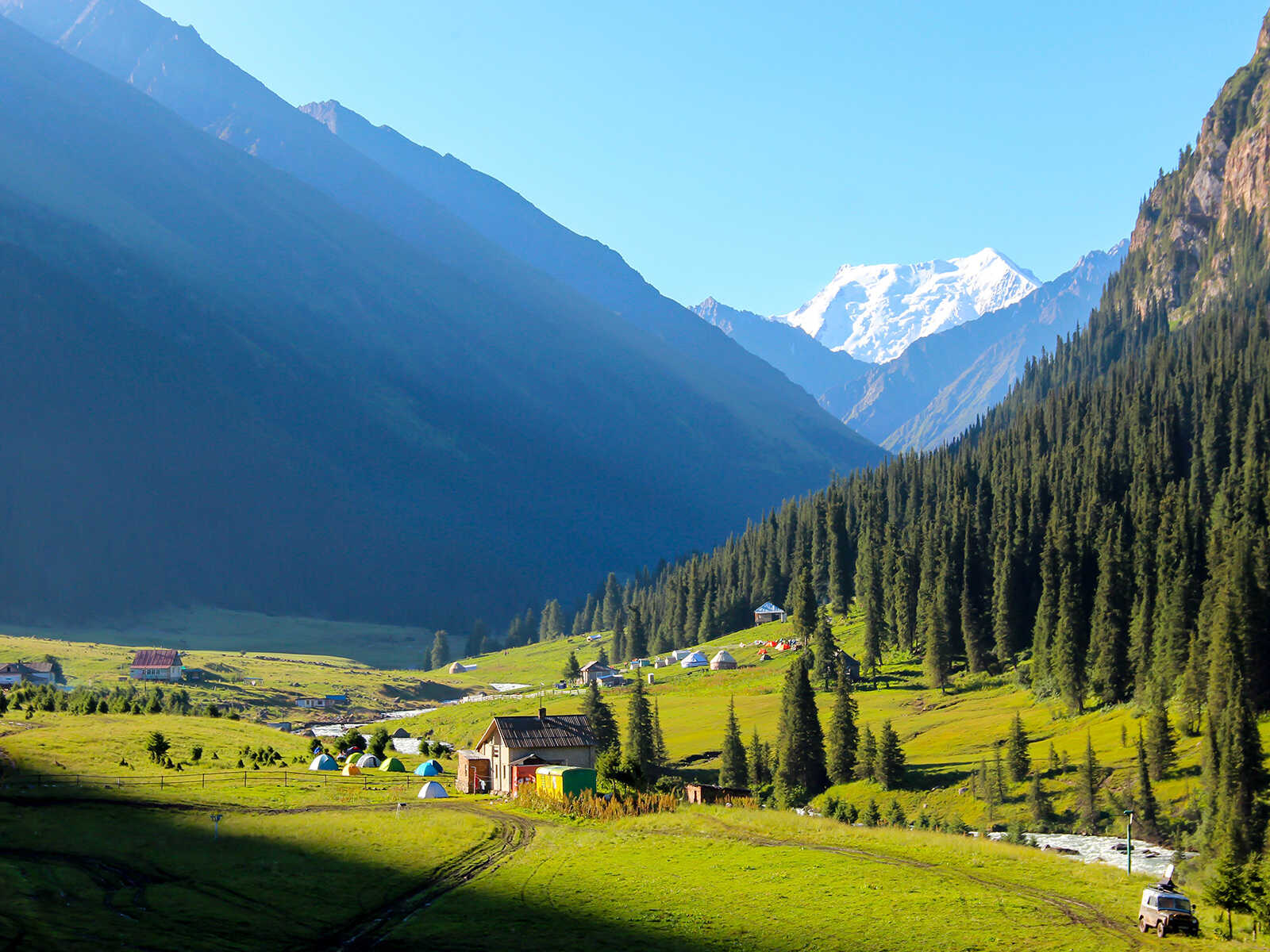
Kyrgyzstan, a land of stunning mountains, nomadic traditions, and unparalleled natural beauty, is increasingly captivating the hearts of adventurous travelers. While its rugged charm is undeniable, many prospective visitors naturally ponder:"Is Kyrgyzstan safe for tourists?"The good news is, with practical precautions and an understanding of local customs, Kyrgyzstan is generally a very safe and incredibly rewarding destination.
Overall Safety Assessment: Is Kyrgyzstan a Safe Destination?
For most tourists, Kyrgyzstan presents a safe and welcoming environment. Violent crime against foreigners is rare, and the local people are renowned for their hospitality, especially in rural areas. Like any travel destination, however, it's crucial to exercise common sense and be aware of your surroundings to ensure a smooth and enjoyable trip.
The primary risks tourists might encounter are often related to petty crime in urban centers, road safety, and the inherent challenges of adventurous outdoor activities in a mountainous region. By being prepared and informed, these potential issues can be easily managed.
Did you know?Kyrgyzstan is often referred to as the "Switzerland of Central Asia" due to its dramatic alpine landscapes and pristine mountain lakes like Issyk Kul and Song-Kul.
Common Safety Concerns and How to Mitigate Them
Petty Crime (Pickpocketing, Bag Snatching)
In cities like Bishkek and Osh, and particularly in crowded markets or public transport, petty theft can occur. This is similar to any major city worldwide. Tourists, especially those visibly carrying expensive cameras or flashing cash, can be targets.
- Be Discreet:Avoid openly displaying valuables. Keep cameras, phones, and wallets out of sight when not in use.
- Secure Belongings:Use a cross-body bag or a money belt. Keep your backpack in front of you in crowded areas.
- Situational Awareness:Be mindful of your surroundings, especially in busy bazaars or onmarshrutkas(minibusses).
Road Safety and Transportation
Road conditions in Kyrgyzstan vary significantly, from well-maintained highways to challenging mountain passes. Driving standards can also differ from what you might be accustomed to. This is perhaps one of the most common safety concerns for travelers.
- Choose Reputable Transport:For longer journeys, opt for established taxi services or intercity buses rather than flagging down unmarked vehicles. Always agree on a fare before starting your journey.
- Night Travel:Avoid traveling on unfamiliar roads at night, especially in mountainous regions, due to poor lighting and potential hazards.
- Seatbelts:Always wear a seatbelt when available, even if local drivers don't always adhere strictly to this rule.
- Marshrutkas:While a common and affordable way to travel,marshrutkascan be overcrowded and driven quickly. If you feel unsafe, politely ask the driver to slow down or consider alternative transport.
Health and Medical Considerations
Access to high-quality medical facilities can be limited, particularly outside of Bishkek. Preparing for potential health issues is paramount.
- Travel Insurance:This is non-negotiable. Ensure your policy covers emergency medical treatment, evacuation, and repatriation. Confirm it covers adventure activities if you plan on trekking to places like Ala-Kul or Lenin Peak.
- Altitude Sickness:Many popular destinations, such as Song-Kul and areas around Issyk Kul, are at high altitudes. Acclimatize gradually, stay hydrated, and be aware of symptoms.
- Food and Water:Drink bottled or filtered water. Be cautious with street food and ensure cooked food is hot. Wash hands frequently.
- Vaccinations:Consult your doctor about recommended vaccinations well before your trip.
- First-Aid Kit:Carry a comprehensive kit with essentials, including any personal medications.
Hiking and Trekking Safety (Mountain Environment)
Kyrgyzstan is a paradise for trekkers, with trails leading to breathtaking sights like Ala Archa National Park,Sary-Chelek Biosphere Reserve, and Köl-Suu. However, the mountains demand respect and proper preparation.
- Weather Changes:Mountain weather can change rapidly. Pack layers, waterproofs, and be prepared for all conditions, even in summer.
- Proper Gear:Sturdy hiking boots, appropriate clothing, navigation tools (GPS, map, compass), and sufficient water/food are essential.
- Guides:For challenging or unfamiliar routes, hire an experienced local guide. They know the terrain, weather patterns, and local emergency procedures.
- Inform Others:Always tell someone (hotel staff, guesthouse owner) your trekking plans, including your route and expected return time.
- Communication:Mobile phone reception is often nonexistent in remote mountain areas. Consider a satellite phone or a personal locator beacon (PLB) for emergencies.
Cultural Sensitivity and Local Interactions
Kyrgyzstan is a predominantly Muslim country with strong nomadic traditions. Understanding and respecting local customs will enhance your experience and avoid misunderstandings.
- Dress Modestly:While not strictly enforced for tourists, modest dress (covering shoulders and knees) is appreciated, especially when visiting religious sites like Sulayman Too or traditional villages.
- Hospitality:Embrace the renowned Kyrgyz hospitality. Accepting tea or food when offered is a sign of respect.
- Photography:Always ask permission before photographing people, especially children.
- Language Barrier:Learning a few basic phrases in Russian or Kyrgyz (e.g., hello, thank you) will go a long way.
- Police Encounters:While rare, if you are stopped by police, remain polite and cooperative. Ensure your documents (passport, visa) are in order. Corruption is less common now but still possible; avoid carrying large sums of cash.
Essential Pre-Trip Preparation
A well-prepared traveler is a safe traveler. Before you even set foot in Kyrgyzstan, take these steps:
- Check Visa Requirements:Ensure you have the correct visa or if you qualify for visa-free entry.
- Travel Insurance:As mentioned, this is critical.
- Documents:Make photocopies or digital copies of your passport, visa, and important numbers. Keep them separate from the originals.
- Emergency Contacts:Have a list of emergency contacts, including your embassy or consulate in Kyrgyzstan.
- Local Currency:While credit cards are accepted in major cities, cash is king elsewhere. Have enough local currency (Kyrgyz Som) for smaller purchases and rural areas.
Staying Connected and Informed
Staying in touch and up-to-date can be a vital safety net.
- Local SIM Card:Purchase a local SIM card upon arrival. Data plans are affordable and provide connectivity in most towns and some rural areas.
- Embassy Registration:Register your travel plans with your country's embassy or consulate in Kyrgyzstan. This helps them locate you in an emergency.
- Stay Informed:Follow local news if possible and be aware of any travel advisories issued by your government.
Enjoying Kyrgyzstan Responsibly
Kyrgyzstan offers an incredible array of experiences, from exploring ancient sites like Burana Tower and Tash Rabat Caravanserai to marveling at natural wonders like Seven Bulls rock,Konorchek Canyons, or the Petrogliphs Museum. By adhering to these safety guidelines, you can fully immerse yourself in its unique culture and breathtaking landscapes with peace of mind.
Ultimately, Kyrgyzstan is a beautiful and welcoming country. With a bit of foresight, respect for local customs, and a healthy dose of common sense, your journey through this Central Asian gem will undoubtedly be a safe, memorable, and enriching adventure.