
Getting Around Kyrgyzstan: Transportation Options for Every Journey
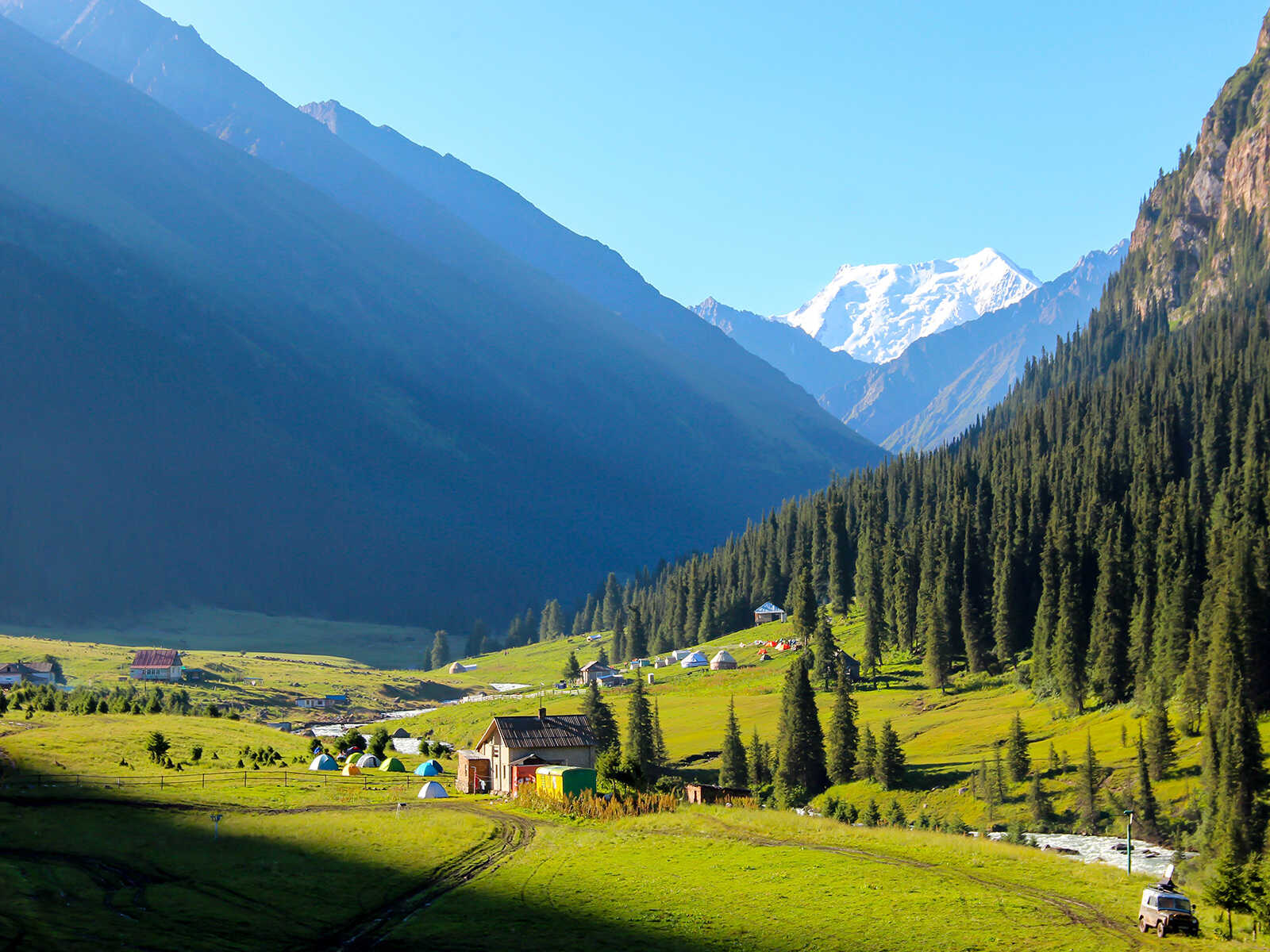
Kyrgyzstan's stunning landscapes, from dramatic mountain ranges to serene alpine lakes, beckon adventurers. Navigating this land of nomadic traditions requires understanding its diverse transportation network, which offers options for every budget and desired level of comfort.
Kyrgyzstan, often called the "Switzerland of Central Asia," presents a unique set of challenges and charms for travelers. While modern infrastructure exists in major cities, venturing into the captivating rural and mountainous regions demands a more flexible and often adventurous approach to getting around. This guide will help you understand the various modes of transport available, ensuring your journey through this breathtaking country is as smooth and enjoyable as possible.
Marshrutkas: The Lifeline of Local Travel
Marshrutkas are privately owned minibuses that serve as the primary mode of public transportation for both intercity and intra-city travel. They are ubiquitous, relatively inexpensive, and offer an authentic local experience.
They connect nearly all towns and villages, running frequently on popular routes, especially between major hubs like Bishkek, Osh, and Karakol. You can catch them at designated bus stations (avtovokzals) or simply flag them down along main roads. Expect a cozy (sometimes cramped) ride, often with local music playing. Marshrutkas typically depart when full, so patience is a virtue. They are ideal for reaching places like the gateway to Ala Archa National Park or the towns surrounding Issyk Kul.
Tips for Riding Marshrutkas:
- Learn a few basic Kyrgyz or Russian phrases for your destination.
- Be prepared for unscheduled stops and varying comfort levels.
Taxis: Convenience and Flexibility
Shared Taxis
A popular option for intercity travel, shared taxis offer a quicker and slightly more comfortable alternative to marshrutkas, albeit at a higher cost. They usually depart from bus stations or designated taxi stands once all seats are filled. This is a common way to travel between cities like Bishkek and Karakol, or to reach destinations like Burana Tower from Bishkek.
Private Taxis
For greater comfort, direct routes, or travel to less accessible areas, hiring a private taxi is an excellent choice. Negotiate the farebeforestarting your journey. In larger cities, ride-hailing apps are becoming increasingly popular, offering transparent pricing and convenience.
Off-Road Taxis
For destinations requiring a 4x4, such as Song-Kul or the remote Tash Rabat Caravanserai, specialized off-road taxis (often older Soviet-era vehicles like UAZ vans) are available. These can be arranged through guesthouses or tour operators.
Private Car with Driver: Guided Comfort
Hiring a private car with a local driver combines the flexibility of a rental car with the invaluable expertise of someone familiar with the roads and local customs. This option is perfect for those who prefer not to self-drive, want to cover multiple remote locations efficiently, or desire a personalized itinerary. Drivers often have experience navigating challenging terrain to places like Köl-Suu or the start of the trek to Ala-Kul.
Traveler Tip:A driver can also act as an informal guide, sharing insights into local life and pointing out hidden gems along the way, making your journey richer.
Rental Cars (Self-Drive): The Adventurer's Choice
For independent adventurers, renting a car offers unparalleled freedom to explore at your own pace.
Vehicle Type and Road Conditions
A4x4 vehicle is highly recommended, if not essential, for venturing beyond paved roads into the mountains and rural areas. Many of Kyrgyzstan's most stunning sights, like the Konorchek Canyons or the remote approaches to Lenin Peak base camps, require robust off-road capabilities. While main highways are generally decent, many secondary roads are unpaved, gravel, or rough tracks. Be prepared for potholes, washouts, and river crossings, especially during spring thaw or after heavy rains.
Navigation and Challenges
Download offline maps (e.g., Maps.me) as GPS signal can be intermittent in remote areas. Signage is often in Kyrgyz or Russian Cyrillic. Fuel stations can be sparse outside major towns, and roadside assistance is limited. Experience with basic car maintenance and off-road driving is beneficial.
Buses and Trains: Limited but Available
- Buses:Large long-distance buses are less common than marshrutkas for intercity travel within Kyrgyzstan but do exist on some routes. They offer a more comfortable ride for longer distances, especially between Bishkek and Osh.
- Trains:Kyrgyzstan's rail network is very limited, primarily connecting Bishkek with Balykchy (on Issyk Kul) during summer, and some routes to Russia. It's generally not a primary mode of transport for tourists exploring the country's interior.
Domestic Flights: Covering Vast Distances Quickly
For those with limited time or needing to cover vast distances, domestic flights connect Bishkek with Osh. This can save significant travel time, especially if your itinerary involves exploring both the north (e.g.,Burana Tower,Issyk Kul) and the south (e.g.,Sulayman Too in Osh,Sary-Chelek Biosphere Reserve).
Horseback Riding: An Authentic Kyrgyz Experience
In many mountainous regions, horses are not just a cultural symbol but a practical mode of transport. For destinations like Song-Kul or treks around Seven Bulls rock near Jeti-Oguz, horseback riding offers an immersive and unforgettable way to experience the pristine wilderness. Tours and guides are readily available, often arranged through local guesthouses or yurt camps.
Walking and Trekking: For the Ultimate Immersion
Many of Kyrgyzstan's most spectacular sights, such as the high-altitude Ala-Kul lake or the remote Köl-Suu, are only accessible by foot after reaching a certain point by vehicle. Trekking is a fundamental part of exploring Kyrgyzstan's national parks and mountains, offering unparalleled views and a deep connection with nature. Even in towns, walking is the best way to explore local markets and sights. For example, the Petrogliphs Museum near Cholpon-Ata is easily explored on foot once you arrive.
Essential Tips for Getting Around Kyrgyzstan
- Flexibility is Key:Schedules can be fluid, especially in rural areas. Embrace the unexpected and go with the flow.
- Language Barrier:While some English is spoken in tourist-focused areas, learning basic Kyrgyz or Russian phrases (especially for directions and numbers) will be immensely helpful.
- Road Conditions & Seasons:Road conditions vary dramatically by season. Mountain passes can be closed by snow from late autumn to late spring. Always check conditions before setting out on a journey to high-altitude destinations.
- Safety:While generally safe, be aware of your belongings. For remote treks, always inform someone of your itinerary and consider hiring a local guide.
- Stay Connected:Consider purchasing a local SIM card for mobile data, which is surprisingly good even in some remote areas, though not everywhere. This helps with navigation and communication.
- Cash is King:While major cities have ATMs, cash is essential for transport fares, especially in rural areas.
Conclusion
Getting around Kyrgyzstan is an adventure in itself, offering a blend of modern convenience and traditional modes of travel. Whether you choose the bustling marshrutkas, the flexibility of a private driver, the freedom of a rental 4x4, or the timeless appeal of horseback riding, each option promises a unique perspective on this captivating Central Asian gem. Embrace the journey, and prepare to be mesmerized by the landscapes and hospitality that await you.