
Ala-Kul Lake Trek: Conquering the Iconic Tian Shan Trail
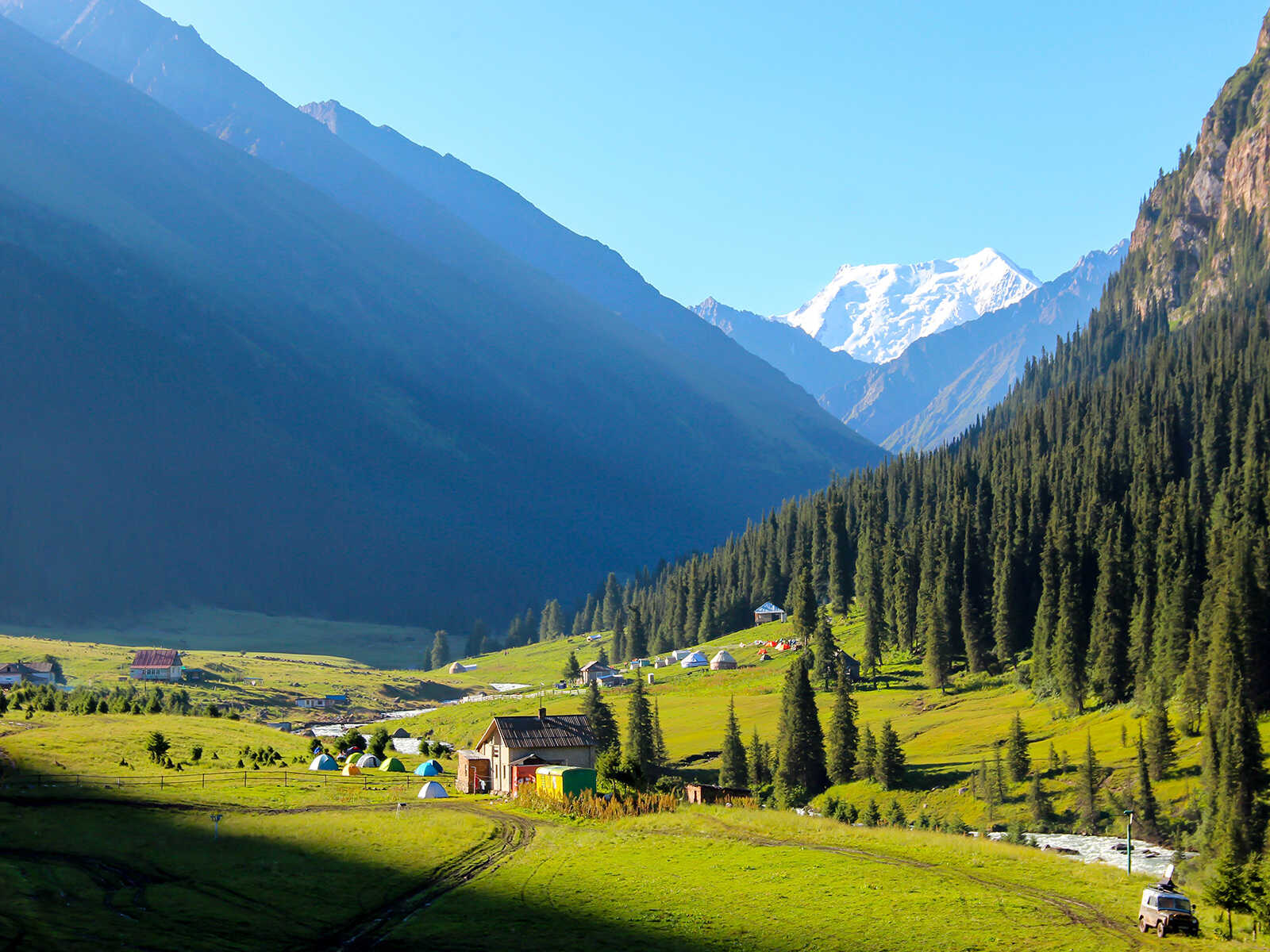
Deep within Kyrgyzstan's majestic Tian Shan mountains lies Ala-Kul Lake, a glacial wonder renowned for its breathtaking turquoise waters. Embarking on the trek to this high-altitude jewel promises an unforgettable adventure, immersing hikers in pristine wilderness and showcasing the raw beauty of Central Asia.
Discovering Ala-Kul: A Gem of the Tian Shan
Ala-Kul Lake, meaning "colorful lake" in Kyrgyz, truly lives up to its name. Its vibrant hues shift from deep indigo to electric turquoise depending on the sunlight and mineral content, creating a mesmerizing spectacle. Situated at an elevation of approximately 3,560 meters (11,680 feet) in the Terskey Ala-Too mountain range, part of the larger Tian Shan system, the lake is fed by glacial meltwater and remains frozen for much of the year. It's a testament to the powerful forces of nature that sculpted this rugged landscape.
The Ala-Kul Trek: An Overview
The trek to Ala-Kul Lake is a classic route, offering a challenging yet incredibly rewarding experience for hikers. It typically spans 3 to 4 days, depending on the chosen starting point and pace, and is best undertaken fromJuly to early Septemberwhen the snow has largely melted and the weather is most stable. While generally considered moderate to challenging due to significant elevation gain and rugged terrain, it is accessible to those with good physical fitness and prior hiking experience.
Typical Itinerary: A Three-Day Adventure
One of the most popular routes starts from Karakol, a vibrant town on the eastern shore of Issyk Kul Lake, Kyrgyzstan's second-largest alpine lake. Here's a common three-day itinerary:
Day 1: Karakol Valley to Sirota Hut
- Your adventure begins with a drive from Karakol to the Karakol Valley, the trailhead for your trek.
- The initial hike leads you through dense pine forests, following the Karakol River. The trail is mostly gradual, offering a pleasant warm-up.
- You'll cross several small bridges and enjoy views of the surrounding peaks.
- The day typically ends at the "Sirota Hut" area, a rustic shelter (or designated camping spot) at around 2,900 meters (9,514 feet). Set up camp and prepare for the ascent tomorrow.
Day 2: Conquering Ala-Kul Pass and Descending to Altyn Arashan
- This is the most demanding, yet most rewarding, day of the trek.
- The trail ascends steeply from Sirota Hut towards Ala-Kul Lake. The views become increasingly dramatic as you gain altitude.
- Upon reaching the lake, you'll be greeted by its stunning, ever-changing colors. Take time to walk along its shore and soak in the majestic scenery.
- The ascent continues to Ala-Kul Pass, towering at approximately 3,860 meters (12,664 feet). From the pass, you'll be rewarded with panoramic vistas of the lake below and countless snow-capped peaks stretching into the distance.
- The descent from the pass is steep and rocky, leading you into the picturesque Arashan Valley.
- Your day concludes at Altyn Arashan, a natural hot spring area where you can relax your weary muscles in thermal baths and camp for the night.
Tip:The descent from Ala-Kul Pass can be challenging due to loose scree. Trekking poles are highly recommended for stability.
Day 3: Altyn Arashan to Ak-Suu and Return to Karakol
- After a refreshing morning in Altyn Arashan, the final day involves a scenic descent through the lush Arashan Valley.
- You'll pass through meadows dotted with wildflowers and perhaps encounter local shepherds with their livestock.
- The trail follows the Arashan River until you reach the village of Ak-Suu (or Teploklyuchenka), where transport can be arranged back to Karakol.
- Once back in Karakol, you can explore the town's Dungan Mosque, Russian Orthodox Church, or visit the nearby Seven Bulls rock formation.
Difficulty, Preparation, and Safety
The Ala-Kul trek requires a good level of physical fitness and endurance. Hikers should be comfortable with multi-day treks, significant elevation changes, and carrying a backpack. Prior experience with high-altitude trekking is beneficial, as the Ala-Kul Pass reaches nearly 4,000 meters.
Altitude Acclimatization
Altitude sickness (AMS) is a real concern. Spend a day or two in Karakol (around 1,700 meters) before starting your trek to help your body adjust. Hydrate well, ascend slowly, and be aware of symptoms like headaches, nausea, or dizziness. If symptoms worsen, descend immediately.
Essential Gear Checklist
Packing smart is crucial for a comfortable and safe trek:
- Footwear:Sturdy, waterproof hiking boots with good ankle support.
- Clothing:Layered system (base, mid, outer) for varying temperatures, waterproof and windproof jacket and trousers, hat, gloves.
- Sleeping:Warm sleeping bag (rated to 0°C or lower), sleeping mat.
- Shelter:Tent (if trekking independently).
- Navigation:Map, compass, GPS device or app (download offline maps).
- Water:Water bottles or hydration pack, water filter/purification tablets.
- Food:Lightweight, high-energy snacks and meals.
- First-Aid:Comprehensive kit, personal medications.
- Sun Protection:Sunscreen, sunglasses, wide-brimmed hat.
- Other:Headlamp, power bank, trekking poles (highly recommended), sturdy backpack.
Logistics and Guides
While experienced hikers can undertake the Ala-Kul trek independently, hiring a local guide is highly recommended, especially for first-timers in Kyrgyzstan. Guides provide invaluable local knowledge, assist with navigation, and can help with language barriers. They can also arrange porters to carry heavy gear, making the trek more enjoyable.
To reach Karakol, you can take a shared taxi or a marshrutka (minibus) from Bishkek. The journey offers scenic views of Issyk Kul Lake.
Responsible Tourism
The beauty of Ala-Kul Lake and the surrounding Tian Shan mountains depends on responsible tourism practices. Please adhere to "Leave No Trace" principles:
- Pack out everything you pack in, including all trash.
- Stay on marked trails to minimize erosion.
- Respect wildlife and natural habitats.
- Minimize campfire impact; use existing fire rings or a camp stove.
- Respect local culture and traditions, especially if you encounter nomadic families.
Fun Fact:The Tian Shan mountain range, meaning "Mountains of Heaven" or "Heavenly Mountains," stretches across Kyrgyzstan, Kazakhstan, Uzbekistan, and China, forming one of the longest mountain ranges in Central Asia.
Beyond Ala-Kul: Exploring Kyrgyzstan
After conquering the Ala-Kul trek, consider extending your stay to discover more of Kyrgyzstan's diverse attractions. Explore the vibrant markets and historical sites of Karakol. Visit other stunning alpine lakes like Song-Kul, where you can experience nomadic life in a yurt, or trek in Ala Archa National Park, easily accessible from Bishkek. For a glimpse into ancient history, consider a trip to Tash Rabat Caravanserai, a well-preserved 15th-century stone caravanserai that once hosted Silk Road traders.
The Ala-Kul Lake trek is more than just a hike; it's an immersive journey into the heart of Kyrgyzstan's spectacular wilderness, promising unforgettable vistas and a profound connection with nature.