
Kosovo's Historical Sites: From Gazimestan to Ancient Monuments
Kosovo, though one of Europe's youngest nations, boasts a history as rich and complex as any on the continent. From ancient Roman ruins to medieval monasteries and poignant modern memorials, its landscape is a living testament to centuries of diverse cultures and profound events. Join us on a journey through time, exploring the historical treasures that define this remarkable land.
A Tapestry of Eras
The land now known as Kosovo has been a crossroads of civilizations for millennia. Illyrian tribes, Roman legions, Byzantine emperors, Serbian kings, and Ottoman sultans have all left their indelible marks, shaping a unique cultural heritage. This layered history is evident in every corner, offering a captivating narrative for any visitor.
Ancient Foundations: Echoes of Rome and Illyria
Long before modern borders were drawn, the fertile plains and strategic mountains of Kosovo were home to ancient civilizations. The Illyrians, ancestors to many in the region, established early settlements, followed by the formidable Roman Empire.
Ulpiana: A Roman Metropolis
Just east of Prishtina lie the impressive remains of Ulpiana, once a thriving Roman city and provincial capital. Excavations continue to reveal basilicas, a forum, baths, and residential areas, painting a vivid picture of Roman life. Designated a Monument of Special Cultural Importance, Ulpiana offers a direct connection to Kosovo's classical past.
Medieval Masterpieces: The Golden Age
The medieval period was a time of significant cultural and religious development in Kosovo, particularly under the Serbian Empire. This era saw the construction of magnificent churches and monasteries, many of which are now UNESCO World Heritage sites.
Dečan Monastery: A UNESCO Gem
Among the most iconic is the Dečan Monastery, a stunning example of Rascian architecture. Founded in the 14th century by King Stefan Dečanski, its frescoes are considered some of the finest examples of Byzantine-Serbian art. The sheer scale and intricate detail of its interior are breathtaking, offering a profound spiritual and artistic experience.
The Patriarchate of Peć and Gračanica Monastery
Equally significant are the Patriarchate of Peć, the spiritual seat of the Serbian Orthodox Church for centuries, and Gračanica Monastery, celebrated for its five-domed structure and vibrant frescoes. These sites not only serve as places of worship but also as custodians of medieval art and history.
Novobrdo Fortress: A Medieval Powerhouse
Perched atop a volcanic cone, the ruins of Novobrdo Fortress whisper tales of medieval wealth and strategic importance. Once a major mining town producing gold and silver, it was a crucial economic center in the Balkans. Exploring its walls offers panoramic views and a glimpse into a powerful past.
Echoes of Empire: Ottoman Heritage
Following the Battle of Kosovo in 1389, the region gradually came under Ottoman rule, an era that lasted for over five centuries and profoundly influenced Kosovo's cultural landscape. This period introduced Islamic architecture, new customs, and a vibrant trade network.
Prizren: A Living Museum
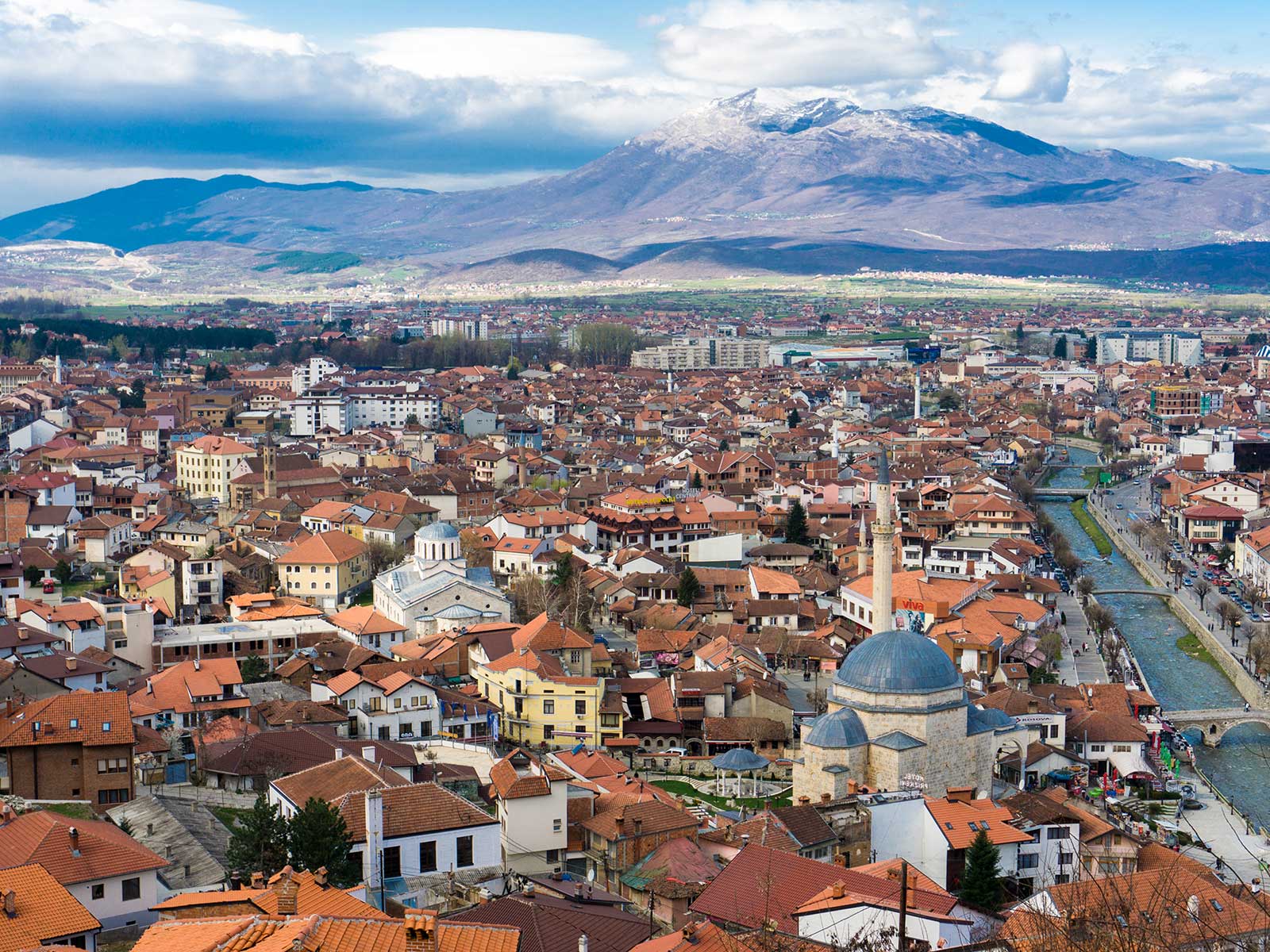
The city of Prizren is arguably Kosovo's most picturesque and historically rich urban center. Its Ottoman-era Old Town, with its stone bridges, cobblestone streets, and numerous mosques and churches, is a testament to centuries of coexistence. Dominating the skyline is the Prizren Fortress, offering unparalleled views of the city and river below. Wandering through Prizren feels like stepping back in time, with every alley revealing a new historical detail.
Historic Bazaars and Mosques
Throughout Kosovo, particularly in cities like Prishtina and Gjakova, you can find well-preserved Ottoman bazaars (čarshija) and mosques, such as the Imperial Mosque in Prishtina or the Sinan Pasha Mosque in Prizren. These structures are not just architectural marvels but also vibrant centers of community and trade that have endured for generations.
Modern Milestones: From Battles to Nationhood
The 20th century brought immense change and conflict to Kosovo, culminating in its declaration of independence in 2008. Understanding this modern history is crucial to appreciating the resilience and aspirations of its people.
Gazimestan: A Symbol of Remembrance
Central to Kosovo's historical narrative, particularly concerning its relationship with Serbia, is the Battle of Kosovo in 1389. The Gazimestan monument, located on the site of the legendary battle, serves as a poignant reminder of this pivotal event. While historically significant for various communities, it remains a powerful symbol, prompting reflection on centuries of shared and contested heritage.
"History is not merely a collection of facts, but a continuous dialogue between the past and present. Kosovo's sites exemplify this, inviting visitors to engage with diverse interpretations and deep cultural layers."
Sites of Recent History
Beyond ancient and medieval monuments, Kosovo also holds sites related to its more recent past, including memorials from the late 20th century. These sites, while somber, are vital for understanding the nation's journey to independence and its commitment to peace and reconciliation.
Exploring Beyond History
While history is undoubtedly a cornerstone of any visit to Kosovo, the country offers much more. Nature enthusiasts can explore the breathtaking Rugova Canyon, hike towards Gjeravica Peak, or marvel at the Mirusha Waterfalls. Adventure seekers might visit the Marble Cave near Gadime or hit the slopes at Brezovica ski resort during winter. These natural wonders complement the historical journey, making Kosovo a truly diverse destination.
Plan Your Historical Journey
Kosovo's historical sites offer a compelling narrative, weaving together threads of ancient empires, medieval kingdoms, and Ottoman legacies with the vibrant story of a modern nation. Each monument, ruin, and city tells a part of this intricate tale, inviting visitors to delve deeper into the layers of its past. Whether you're drawn to spiritual sanctuaries, ancient battlefields, or charming old towns, Kosovo promises an enriching and unforgettable historical exploration.