
Is Kosovo Safe to Visit for Tourists? Expert Travel Safety Tips
Kosovo, Europe's youngest nation, is steadily emerging as a captivating destination for intrepid travelers, boasting rich history, stunning landscapes, and vibrant culture. Many potential visitors, however, naturally wonder about the safety of exploring this Balkan gem. The good news is that Kosovo is generally safe for tourists, offering a welcoming experience often exceeding expectations.
Understanding Kosovo's Safety Landscape
Often misunderstood due to its recent past, Kosovo has made significant strides in establishing stability and security since its declaration of independence in 2008. The presence of international peacekeeping forces (KFOR) and EULEX mission continues to contribute to a secure environment, particularly in sensitive areas. For tourists, this translates into a generally peaceful and hospitable atmosphere, with locals eager to share their country's beauty and resilience.
General Safety and Crime
Low Crime Rates
Compared to many Western European countries, Kosovo experiences relatively low rates of serious crime. Petty crime, such as pickpocketing, can occur in crowded areas like markets or bus stations, particularly in larger cities like Pristina and Prizren, but it's not rampant. Violent crime against tourists is extremely rare. Exercise the same common-sense precautions you would in any unfamiliar city: keep valuables out of sight, be aware of your surroundings, and avoid flashing large sums of cash.
Locals are known for their hospitality and willingness to help. Many Kosovars, especially younger generations, speak English, making communication relatively easy. Learning a few basic Albanian phrases (e.g., "Përshëndetje" for hello, "Faleminderit" for thank you) will be greatly appreciated and can enhance your interactions.
Public Transport & Taxis
Public transport, primarily buses, is widely used and generally safe. For taxis, it's advisable to use reputable companies, agree on a price before starting your journey, or ensure the meter is used. Ride-sharing apps are also becoming more prevalent in major cities, offering a convenient and transparent alternative.
Political Stability and Border Regions
While Kosovo's political situation can sometimes feature tensions, particularly with Serbia, these rarely affect tourist safety in the main travel areas. International organizations and local authorities work to maintain peace and order. Tourists should generally avoid any political demonstrations or large gatherings, as these can occasionally turn confrontational, though this is uncommon. If planning to visit areas near the northern border with Serbia, it's wise to stay updated on current events and consult your embassy's travel advice. Stick to main roads and established routes.
Expert Tip:Always carry a copy of your passport or ID. While checks are infrequent, it's good practice to have identification readily available.
Health and Medical Facilities
Healthcare facilities in Kosovo are improving but may not meet Western European standards, especially outside of Pristina. For serious medical emergencies, evacuation to a neighboring country might be recommended. Ensure you have comprehensive travel insurance that covers medical emergencies and potential evacuation. Pharmacies are well-stocked for common ailments. Tap water is generally safe to drink in most urban areas, but bottled water is widely available and often preferred by tourists.
Road Safety and Driving
Road conditions vary significantly; major routes are generally well-maintained, but rural roads can be poor. Driving habits can be aggressive, and traffic laws are not always strictly observed. If you plan to rent a car, ensure it's fully insured and drive defensively. For most tourists, utilizing buses or taxis for inter-city travel is a safer and more relaxed option. When exploring natural sites like the Mirusha Waterfalls or heading towards Gjeravica Peak, consider hiring a local guide or using reliable transportation services.
Unique Safety Considerations
Unexploded Ordnance (UXO)
A critical safety concern, particularly in rural and remote areas, is the presence of unexploded ordnance (UXO) from past conflicts. While major tourist areas and populated regions have been cleared, it is imperative tonever stray from marked paths, roads, or trails, especially when hiking or exploring off-the-beaten-path areas.Always heed warning signs and if you see anything suspicious, do not touch it and report it to local authorities.
Protests/Demonstrations
While peaceful, demonstrations can occur, particularly in Pristina. It's advisable to monitor local news, avoid areas where protests are taking place, and if you unexpectedly encounter one, calmly leave the vicinity.
Stray Animals
Stray dogs are common in the Balkans, including Kosovo. Most are harmless, but it's best to avoid approaching them, especially if they are in groups or appear aggressive. If you're visiting the Brezovica ski resort or hiking, be mindful of wildlife.
Empowering Your Trip: Essential Safety Tips
- Research Before You Go:Stay informed about the regions you plan to visit.
- Travel Insurance:Absolutely essential for medical emergencies, trip cancellations, and lost luggage.
- Stay Aware:Be mindful of your surroundings, especially in crowded places or at night.
- Secure Valuables:Use a money belt or keep important documents and cash securely stored.
- Learn Basic Phrases:Even a few words in Albanian can bridge cultural gaps and enhance interactions.
- Register Your Trip:Inform your embassy or consulate of your travel plans.
- Trust Your Instincts:If a situation feels unsafe, remove yourself from it.
Exploring Kosovo Safely: Popular Destinations and Activities
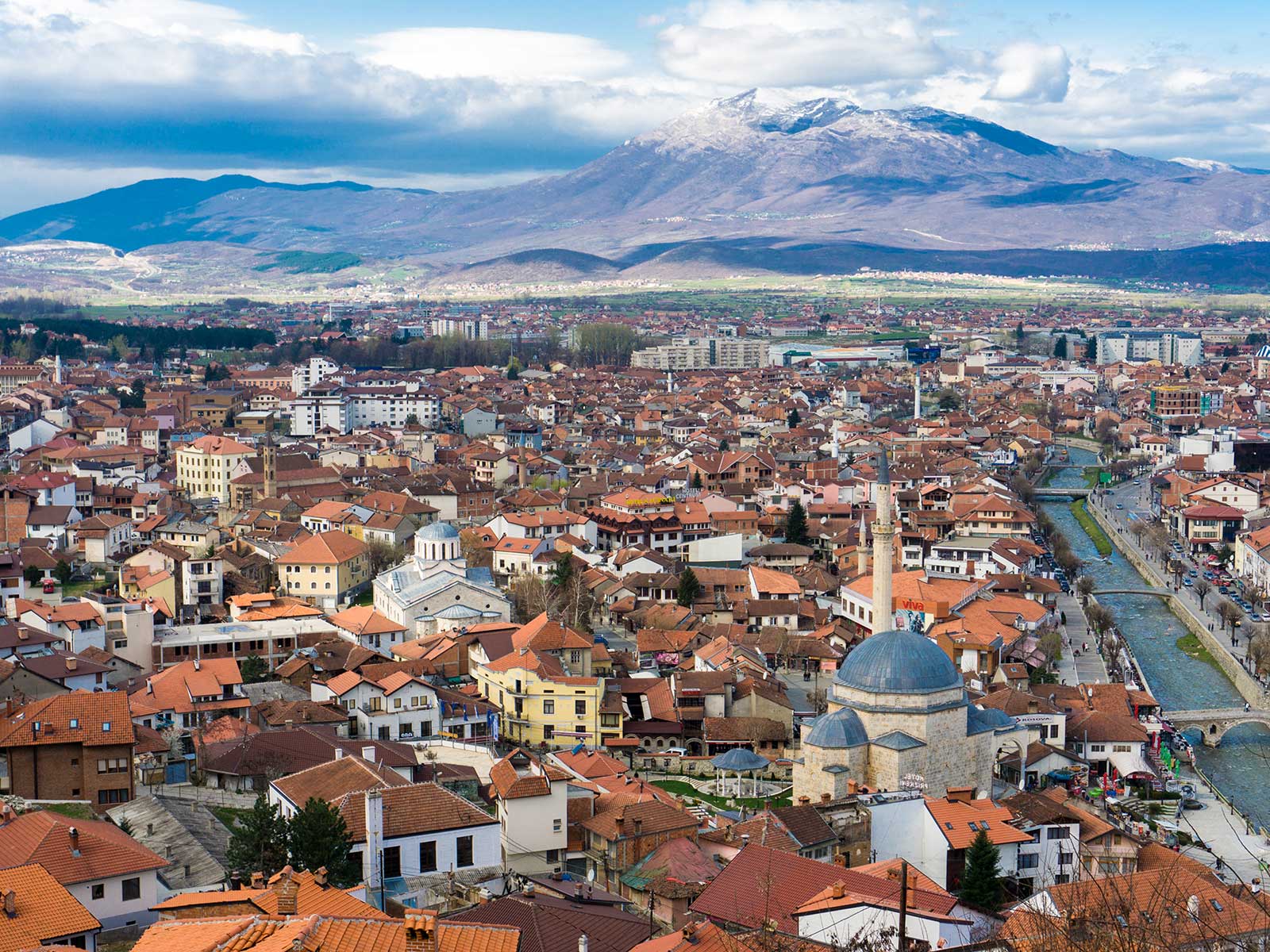
Kosovo offers a wealth of incredible experiences, all generally safe to explore with common precautions. In the capital, Pristina, you can enjoy vibrant cafes, museums, and historical sites like the NewBorn Monument. The historic city of Prizren, with its stunning fortress and Ottoman architecture, is a must-visit, known for its friendly atmosphere.
For nature lovers, the dramatic Mirusha Waterfalls offer breathtaking scenery and hiking opportunities. Adventure seekers might consider a trek towards Gjeravica Peak, Kosovo's highest mountain, but always with experienced guides and proper equipment. The unique geological formations of the Marble Cave near Gadime are also a safe and fascinating excursion.
Religious and cultural sites like the UNESCO-listed Dečan Monastery are open to visitors and well-protected. Even historically significant sites like Gazimestan are generally safe for respectful visitation, offering a glimpse into Kosovo's complex past.
Conclusion
Kosovo is a country that rewards curious and respectful travelers with genuine warmth, rich culture, and diverse landscapes. While it's always wise to be informed and exercise caution, the overall safety for tourists is high. By following expert advice and staying aware, you can confidently embark on an unforgettable journey to explore the heart of the Balkans.