
A Brief History of Kosovo for Travelers: Understanding the Past
Kosovo, Europe's youngest country, holds a history as rich and complex as its vibrant culture. For travelers seeking to truly appreciate this fascinating destination, a grasp of its past is indispensable. This guide offers a concise journey through Kosovo's compelling historical narrative, helping you connect with the stories embedded in its ancient monasteries, Ottoman-era towns, and resilient spirit.
Understanding Kosovo’s multifaceted heritage is key to a meaningful visit. From ancient Illyrian tribes to the modern day, countless civilizations, empires, and peoples have left their indelible mark, shaping the landscapes, traditions, and the very identity of this land.
Ancient Roots and Roman Legacy
The story of Kosovo begins long before modern borders, with evidence of human habitation dating back to the Stone Age. The region was home to the Illyrians, an ancient Indo-European people, whose descendants are considered to be the ancestors of modern Albanians. By the 1st century AD, the Roman Empire had integrated the area, making it a significant crossroads within its vast network.
Under Roman rule, cities flourished, roads were built, and mining became a crucial industry. Roman influence brought urbanization, a sophisticated legal system, and infrastructure, elements of which can still be found in archaeological sites across the country, hinting at a prosperous past. This period laid some of the foundational layers for future cultural development.
The Medieval Crossroads: Empires and Monasteries
As the Roman Empire waned, Kosovo became a contested territory between various emerging powers. In the early medieval period, Slavic tribes migrated into the Balkans, leading to significant demographic and political shifts. By the 12th century, the region became a core part of the Serbian medieval state, flourishing as a spiritual and cultural center.
This era saw the construction of magnificent Serbian Orthodox monasteries, many of which are now UNESCO World Heritage sites. These monasteries, adorned with stunning frescoes, stand as enduring testaments to the artistic and religious fervor of the time. Among them, the Dečan monastery is a prime example, renowned for its exquisite architecture and well-preserved medieval art, offering a profound glimpse into this period.
Traveler's Tip:Visiting Kosovo's medieval monasteries offers a unique opportunity to witness living history. Respectful attire and quiet contemplation are appreciated in these sacred spaces.
The Battle of Kosovo (1389)
A pivotal moment in Kosovo's history, deeply etched into the collective memory of both Serbs and Albanians, is the Battle of Kosovo in 1389. Fought on the Gazimestan field near modern-day Pristina, it pitted the Ottoman army against a coalition of Balkan forces led by Prince Lazar of Serbia. While the battle itself ended inconclusively, with both leaders killed, it marked the beginning of Ottoman dominance in the region.
The Battle of Kosovo holds immense symbolic weight. For Serbs, it is a heroic stand against an invading force, a sacrifice for Christianity, and a foundational myth. For Albanians, it represents an early, albeit ultimately unsuccessful, resistance against Ottoman expansion. The Gazimestan monument today stands as a solemn reminder of this historical clash.
Ottoman Rule: A New Era
Following the Battle of Kosovo, the region gradually fell under Ottoman control, ushering in nearly five centuries of Ottoman rule. This period brought profound changes to Kosovo's demographic, religious, and cultural landscape. Islam spread, and many churches were converted into mosques or fell into disrepair, although some, like the Patriarchate of Peć, continued to function.
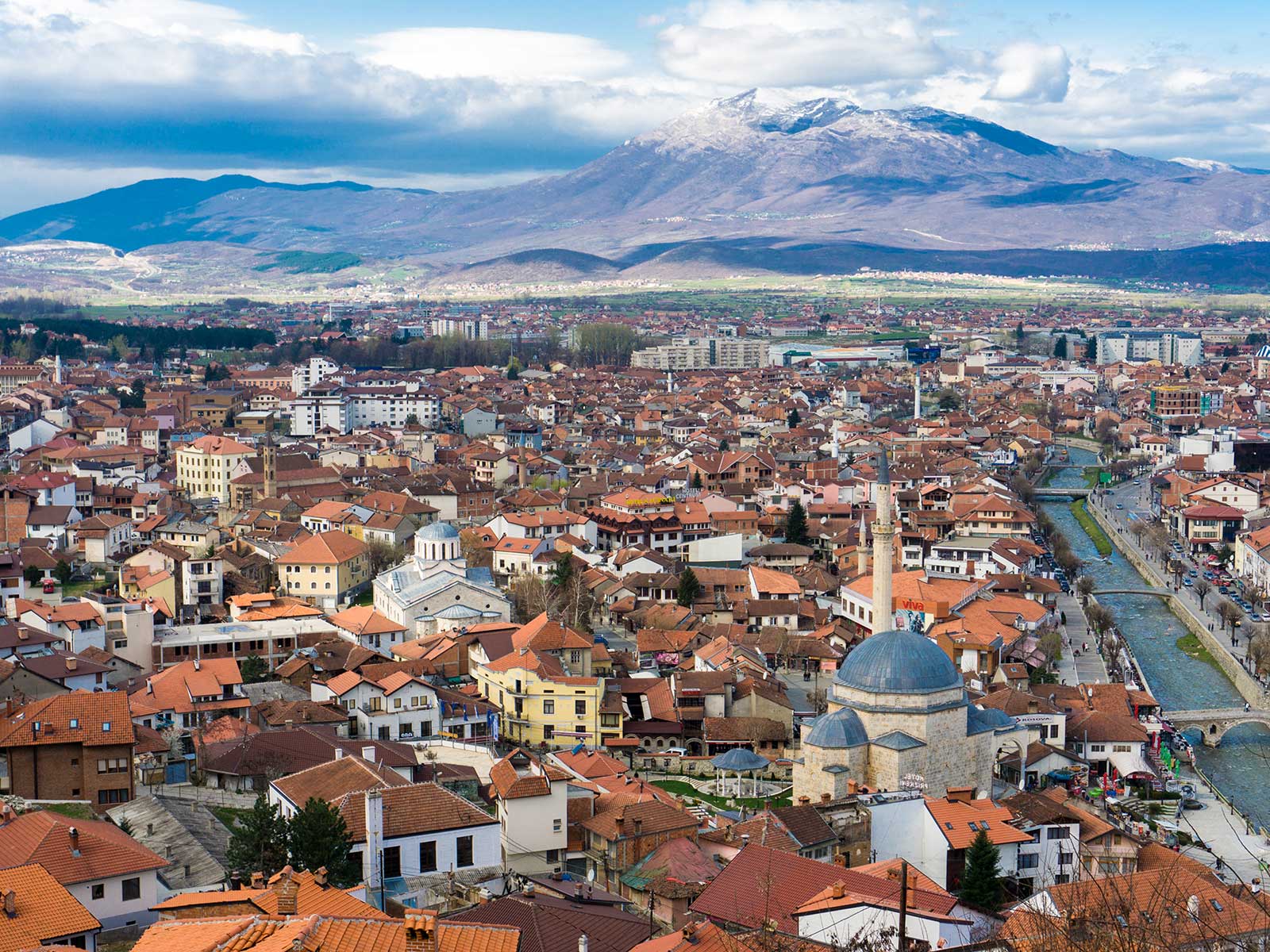
Ottoman administration introduced new legal and social systems, leading to the development of distinct urban centers with Ottoman architecture, bazaars, and bathhouses.Prizren fortress, overlooking the historic city of Prizren, encapsulates this blend of history, having seen Roman, Byzantine, and Ottoman occupation, each leaving its mark on the strategic hilltop.
During this era, a unique blend of cultures emerged, shaping the customs, cuisine, and architectural styles that are still visible today, particularly in cities like Prizren and Gjakova. The Ottoman legacy is an integral part of Kosovo’s identity, influencing everything from language to culinary traditions.
The Tumultuous 20th Century: Wars and Divisions
The decline of the Ottoman Empire in the early 20th century plunged Kosovo into another period of upheaval. The Balkan Wars (1912-1913) saw the Ottomans expelled from the region, but Kosovo's fate remained uncertain. It was eventually incorporated into the Kingdom of Serbia, which later became part of the Kingdom of Serbs, Croats, and Slovenes (Yugoslavia).
Throughout the interwar period and particularly after World War II, Kosovo's status within Yugoslavia was a source of contention. Under socialist Yugoslavia led by Josip Broz Tito, Kosovo gained significant autonomy in 1974, becoming an autonomous province within Serbia, with its own parliament and government. This period saw a rise in Albanian national consciousness and cultural development.
However, with the breakup of Yugoslavia in the late 1980s and early 1990s, ethnic tensions escalated. Kosovo's autonomy was revoked by Serbia, leading to widespread protests and a growing independence movement among the Albanian majority. This increasingly volatile situation set the stage for one of Europe's most tragic conflicts.
The Kosovo War and Independence
The late 1990s witnessed the brutal Kosovo War. Serbian forces, under Slobodan Milošević, launched a crackdown on ethnic Albanians, leading to mass displacement, atrocities, and a humanitarian crisis. In response, NATO intervened in March 1999 with an aerial bombing campaign against Serbia, forcing a withdrawal of Serbian forces from Kosovo.
Following the war, Kosovo was placed under United Nations administration (UNMIK). Years of international oversight and negotiations followed, culminating in Kosovo's unilateral declaration of independence on February 17, 2008. This act was recognized by over 100 UN member states, including most Western countries, but remains contested by Serbia and some other nations.
The post-independence period has been one of rebuilding, establishing democratic institutions, and fostering economic growth. While challenges persist, Kosovo has made significant strides in developing its infrastructure, tourism, and diplomatic relations.
Kosovo Today: A Nation Forging Its Future
Today, Kosovo is a young, vibrant nation with a youthful population eager to build a prosperous future. While the echoes of its past are evident in its historical sites and cultural fabric, the country is forward-looking, embracing modernity while preserving its unique heritage.
Travelers to Kosovo will find a country rich in hospitality, stunning natural beauty, and a compelling narrative of resilience. From the bustling streets of Pristina to the ancient stones of Prizren, from the spiritual solace of its monasteries to the adventurous peaks of Gjeravica peak and the serene beauty of the Mirusha waterfalls, Kosovo offers a diverse array of experiences. Even places like the Marble cave, hidden beneath the earth, hold stories millions of years in the making, standing as silent witnesses to all of Kosovo's history.
Understanding Kosovo's history isn't just about dates and events; it's about appreciating the layers of culture, the spirit of its people, and the journey that has brought this nation to where it is today. By engaging with its past, you gain a deeper, more meaningful connection to the Kosovo of the present.