
What to Pack for Kiribati: Your Essential Island Checklist
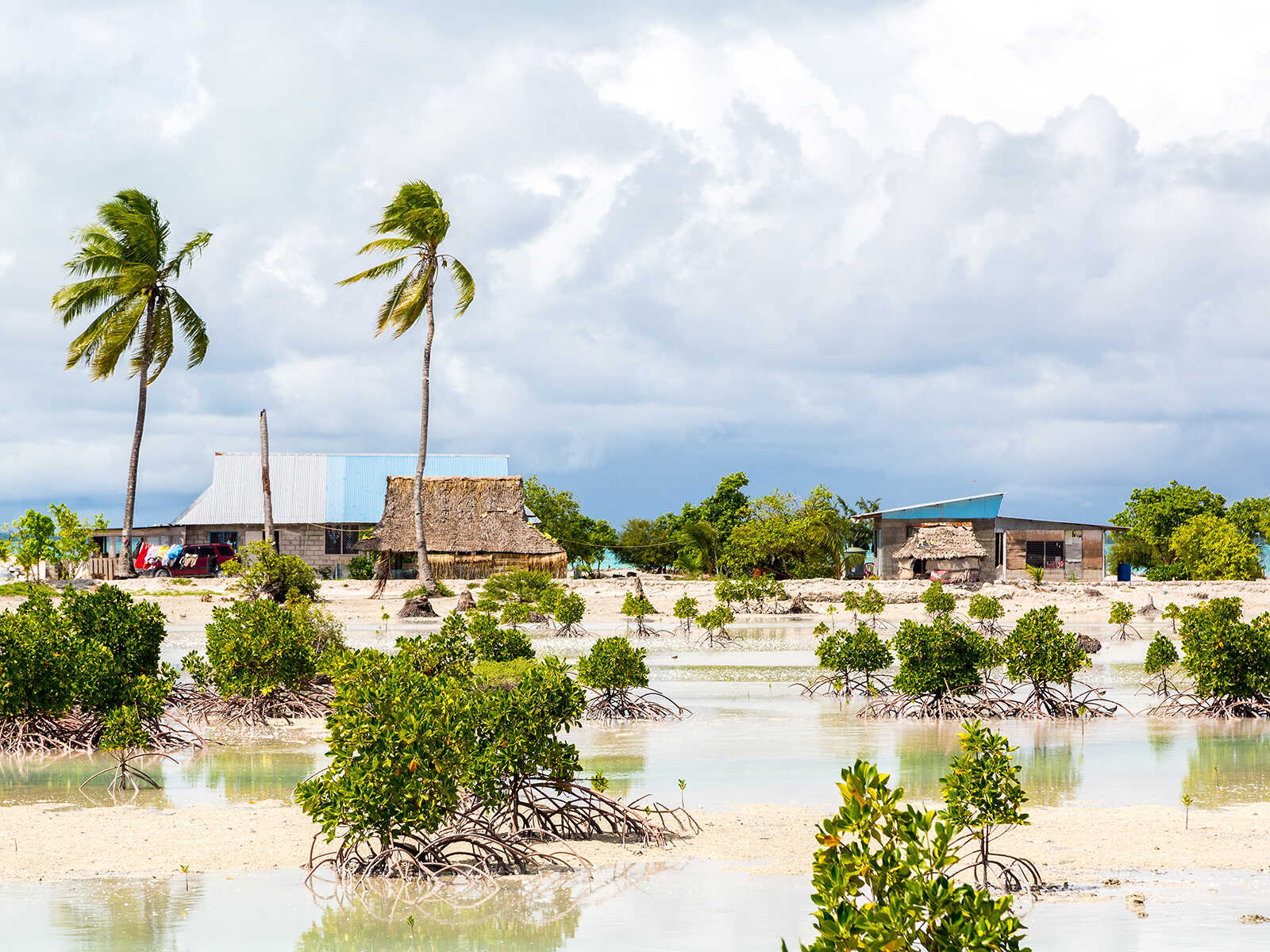
Embarking on an adventure to Kiribati, a remote island nation scattered across the Pacific, promises an unforgettable journey into pristine nature and unique culture. To ensure your trip is as comfortable and enriching as possible, smart packing is key. This guide provides an essential checklist, helping you prepare for Kiribati's tropical climate and local customs.
Understanding Kiribati's Climate and Culture
Kiribati lies directly on the equator, meaning year-round warm temperatures and high humidity are the norm. While the weather is consistently pleasant, occasional tropical showers can occur. Beyond the climate, understanding and respecting local customs, known aste mauri, is crucial. This includes dressing modestly, especially when visiting villages or government buildings like the Parliament Building on Tarawa.
Clothing Essentials: Stay Cool and Respectful
The tropical heat demands lightweight, breathable clothing, but cultural sensitivity requires a touch of modesty. Striking this balance is crucial for an enjoyable and respectful visit.
Lightweight and Breathable Fabrics
Opt for natural fabrics like cotton, linen, or bamboo, which allow your skin to breathe and dry quickly. Synthetics designed for moisture-wicking are also excellent choices for active days.
- T-shirts and Tank Tops:Pack several breathable tops.
- Shorts and Skirts:Comfortable shorts for casual wear, but ensure skirts or longer shorts for modesty in villages.
- Light Dresses or Sarongs:Versatile and comfortable for both lounging and covering up.
- Light Long-Sleeved Shirt:Useful for sun protection, mosquito defense in the evenings, and cooler nights.
- Light Rain Jacket or Poncho:For unexpected tropical downpours.
Modest Attire for Villages and Public Areas
When venturing beyond resorts or beaches, particularly in local communities on Tarawa or other populated islands, modesty is highly valued. Women should ensure shoulders and knees are covered. Men should also avoid going shirtless in public.
Traveler's Tip:A sarong (or pareo) is an incredibly versatile item for Kiribati. It can serve as a beach cover-up, a modest skirt, a shawl for sun protection, or even a towel.
Swimwear and Beachwear
Kiribati boasts stunning beaches and vibrant marine life, so swimwear is a definite must. Pack a few options so you always have a dry suit.
- Swimsuits:Bikinis, one-pieces, or board shorts are all suitable for resort pools and designated beach areas.
- Rash Guard:Excellent for extended time in the water, offering superior sun protection while snorkeling or diving.
- Beach Cover-up:Essential for moving between the beach/pool and other public areas.
Footwear: From Beaches to Boats
Your footwear needs will range from comfortable strolling to navigating sandy paths and wet environments.
- Flip-flops or Sandals:Your primary footwear for everyday wear, beaches, and casual outings.
- Water Shoes or Reef Walkers:Invaluable for protecting your feet from coral, rocks, and sea urchins when exploring the lagoons or tidal flats, especially on islands like Tabuaeran or Kiritimati.
- Lightweight Walking Shoes:Optional, but good for longer walks or exploring urban areas on Tarawa if you prefer more support.
Sun Protection: Your Non-Negotiable Items
The equatorial sun in Kiribati is incredibly strong. Protecting your skin and eyes is paramount to avoid painful sunburns and heatstroke.
- High SPF Sunscreen:Pack plenty of broad-spectrum, high SPF (30+) sunscreen. Consider reef-safe options to protect Kiribati's delicate marine ecosystems.
- Wide-brimmed Hat:Offers crucial protection for your face, neck, and ears.
- Sunglasses:Look for UV-protective lenses to shield your eyes from intense glare.
- Lip Balm with SPF:Don't forget to protect your lips from sun exposure.
Health and Safety: Be Prepared
While Kiribati is generally safe, it's wise to pack a few essentials to handle minor ailments or unexpected situations.
- Basic First-Aid Kit:Include band-aids, antiseptic wipes, pain relievers, anti-diarrhea medication, and any personal prescription medications.
- Insect Repellent:Mosquitoes can be present, especially at dawn and dusk. Choose a repellent with DEET or a natural alternative.
- Hand Sanitizer:Useful when soap and water aren't readily available.
- Reusable Water Bottle:Staying hydrated is crucial. Many accommodations offer filtered water refills, helping to reduce plastic waste.
- After-Sun Lotion or Aloe Vera:For soothing any accidental sunburns.
Electronics and Photography: Capturing Memories
You'll want to capture the stunning beauty of Kiribati, from its pristine lagoons to its unique culture.
- Camera and Accessories:Don't forget extra batteries and memory cards. A waterproof camera (GoPro style) is excellent for underwater shots.
- Waterproof Phone Pouch:Protects your phone from splashes and sand.
- Power Bank:Reliable electricity can be limited in some remote areas, making a portable charger invaluable.
- Universal Travel Adapter:Kiribati primarily uses Type I outlets (same as Australia/New Zealand).
- Headphones:For long flights or relaxing on the beach.
Miscellaneous Must-Haves
- Small Backpack or Daypack:For daily excursions, carrying water, snacks, and essentials.
- Dry Bag:Indispensable for boat trips or protecting valuables from water and sand.
- Snorkel Gear:While often available for rent, having your own ensures a good fit and hygiene. Kiribati's reefs, particularly around Kiritimati, are incredible.
- Books or Entertainment:For downtime, especially in more remote locations like Tabuaeran or if you're exploring the history of places like Nikumaroro island.
- Cash (AUD):Australian Dollars are the local currency. ATMs can be scarce outside of Tarawa, so carry enough small denominations.
- Photocopies of Important Documents:Keep copies of your passport, visa, and flight details separate from the originals.
Eco-Friendly Travel: Pack Smart, Travel Responsibly
Kiribati's low-lying atolls are particularly vulnerable to climate change and pollution. Your packing choices can make a difference:
- Reef-Safe Sunscreen:Protects coral reefs from harmful chemicals.
- Reusable Shopping Bag:Reduce plastic bag consumption.
- Solid Toiletries:Shampoo bars, conditioner bars, and solid soaps reduce plastic bottle waste.
- Biodegradable Wipes:If you must use wipes, choose biodegradable options.
Final Packing Tips for a Smooth Journey
- Pack Light:Domestic flights within Kiribati often have strict baggage allowances.
- Roll Your Clothes:This saves space and minimizes wrinkles.
- Check Airline Restrictions:Be aware of liquid limits for carry-on luggage.
- Leave Room for Souvenirs:You might want to bring home a local handicraft or two!
By following this comprehensive checklist, you'll be well-prepared to embrace the unique charm and natural beauty of Kiribati with comfort and confidence. Enjoy your extraordinary journey to the heart of the Pacific!