
Understanding Kiribati: A Deep Dive into Island Life
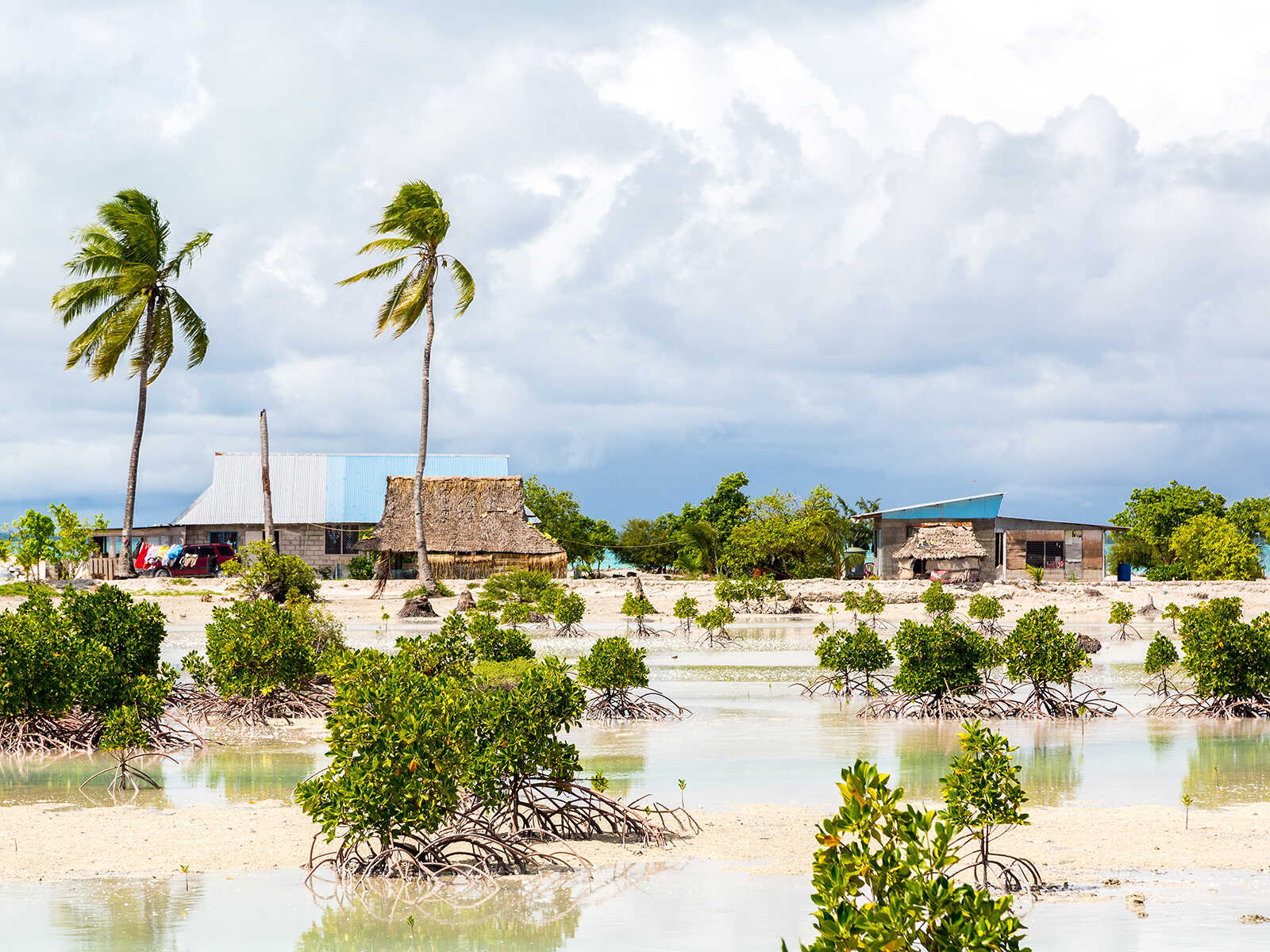
Kiribati, a remote nation of 33 atolls and reef islands scattered across the central Pacific, offers a profound encounter with authentic island life. Far from the bustling tourist trails, this unique destination invites travelers to immerse themselves in a rich culture shaped by the ocean and a resilient people facing the forefront of global challenges.
The Geography of Kiribati: Scattered Jewels of the Pacific
Spanning an immense oceanic area, Kiribati is the only country in the world to exist in all four hemispheres. Its islands, predominantly low-lying coral atolls, rarely rise more than a few meters above sea level, making them both breathtakingly beautiful and incredibly vulnerable. This unique geography divides the nation into three main island groups, each with its own distinct character.
Gilbert Islands: The Heart of the Nation
The Gilbert Islands are the most populous and politically significant group. Here, you'll find the capital,Tarawa, a bustling hub that contrasts with the tranquil outer islands.Tarawa serves as the administrative and economic center, home to a significant portion of the I-Kiribati population. Visitors can explore local markets, witness daily life, and even see the distinctive architecture of the Parliament Building, an impressive structure that reflects the nation's governance.
Phoenix Islands: A Pristine Marine Wilderness
To the east lie the Phoenix Islands, a largely uninhabited archipelago recognized as the Phoenix Islands Protected Area (PIPA). This vast marine protected area is a UNESCO World Heritage site, one of the largest and deepest in the world, renowned for its pristine coral reefs and diverse marine life. Islands like Nikumaroro island, part of this group, are remote and significant for their ecological importance and historical intrigue, including links to the Amelia Earhart mystery.
Line Islands: Gateway to the Future
Further east, straddling the International Date Line, are the Line Islands. This group includes Kiritimati(Christmas Island), the largest coral atoll by land area in the world, and a significant site for seabird populations and fishing.Kiritimati is also renowned for its world-class fly-fishing. Another notable island in this group is Tabuaeran(Fanning Island), known for its coconut plantations and quiet charm.
A Glimpse into I-Kiribati Culture and Tradition
The culture of Kiribati, deeply rooted in its island environment, is vibrant and welcoming. Life revolves around family, community, and traditional practices that have been passed down through generations. Understanding these customs is key to appreciating the I-Kiribati way of life.
Maneaba: The Heart of Community Life
Themaneaba, a traditional open-sided meeting house, is the cornerstone of every I-Kiribati village. These impressive structures, with their high thatched roofs and coral foundations, serve as venues for community gatherings, feasts, traditional dances, and important decision-making processes. They embody the communal spirit and hierarchical social structure of Kiribati.
In Kiribati culture, observing proper protocols within themaneabais crucial. Seating arrangements often reflect status and lineage, and respectful silence is expected during discussions, emphasizing the communal value of consensus and tradition.
Traditional Practices and Crafts
Traditional skills remain vital to daily life. Fishing, using techniques honed over centuries, is a primary source of sustenance. Handicrafts, especially intricate weaving from pandanus leaves and coconut fronds, produce beautiful mats, baskets, and hats. Music and dance are integral to celebrations, with the energeticte Bukidance being a captivating display of cultural expression.
Respect and Hospitality
I-Kiribati people are known for their warmth, generosity, and strong sense of community. Respect for elders and traditional authority figures is paramount. Visitors are often met with genuine hospitality, and a simple smile or greeting can go a long way in forging connections.
- Always ask for permission before taking photographs of people.
- Dress modestly, especially when visiting villages or religious sites.
- It is customary to remove your shoes before entering a home ormaneaba.
- Offer a small gift as a token of appreciation if you are hosted by a local family.
Life on the Atolls: Challenges and Resilience
Living on low-lying coral atolls presents unique challenges, particularly in the face of environmental changes. Yet, the I-Kiribati people demonstrate remarkable resilience and resourcefulness, adapting to their environment with ingenuity and a strong sense of community.
Climate Change and Sea-Level Rise
Kiribati is on the front lines of climate change. Rising sea levels and increased frequency of extreme weather events pose an existential threat to these fragile islands. The government and local communities are actively engaged in adaptation strategies, from coastal protection projects to promoting sustainable resource management, demonstrating a proactive approach to a global crisis.
With an average elevation of just a few meters above sea level, Kiribati faces the immediate and ongoing impacts of climate change, making it a poignant symbol of global environmental vulnerability and the urgent need for international action.
Resourcefulness and Sustainability
Life in Kiribati is inherently sustainable, driven by necessity and tradition. The diet largely consists of fish, taro, breadfruit, and coconuts, all locally sourced. Resource management, passed down through generations, ensures the careful use of limited freshwater supplies and fertile soil. This close relationship with the land and sea fosters a deep understanding of ecological balance.
Daily Life
Daily life is often dictated by the rhythms of the tides and the sun. Fishing, tending to small garden plots, weaving, and communal activities fill the days. Education is highly valued, and children attend local schools. Evenings often involve family gatherings, storytelling, and music under the vast Pacific sky.
Planning Your Visit: Practical Insights
A trip to Kiribati is an adventure for those seeking an authentic, off-the-beaten-path experience. Preparedness and an open mind are essential for enjoying this unique destination.
Getting There and Around
International flights typically arrive at Bonriki International Airport on Tarawa. From Tarawa, domestic flights and ferry services connect to some of the outer islands, though schedules can be infrequent and subject to change. On the islands, transport ranges from shared taxis and buses to bicycles and walking.
Accommodation and Amenities
Accommodation options are generally basic, ranging from small hotels and guesthouses in Tarawa to more rustic local guesthouses on the outer islands. Expect simple facilities rather than luxury resorts. Internet access can be limited and slow, particularly outside of the main urban areas.
Health and Safety
It's advisable to consult your doctor regarding recommended vaccinations before traveling. Always drink bottled or purified water. Basic medical facilities are available, but for serious conditions, evacuation may be necessary. Mosquito repellent is recommended to prevent mosquito-borne illnesses. While Kiribati is generally safe, standard precautions against petty theft should be observed.
Responsible Tourism
Embracing responsible tourism is crucial in Kiribati. Your visit can have a positive impact if approached with respect and awareness.
- Doengage with locals and learn about their culture.
- Dosupport local businesses and artisans.
- Doconserve water and electricity, as resources are precious.
- Don'tleave any rubbish behind; dispose of waste properly.
- Don'tdisturb marine life or coral reefs; observe from a distance.
- Don'texpect Western-style amenities or services; embrace the local way of life.
Visiting Kiribati is more than just a holiday; it's an opportunity to connect with a unique culture, witness the resilience of island communities, and gain a deeper understanding of the challenges facing our planet. It promises an unforgettable journey into the heart of the Pacific, leaving you with memories of genuine warmth and breathtaking natural beauty.