
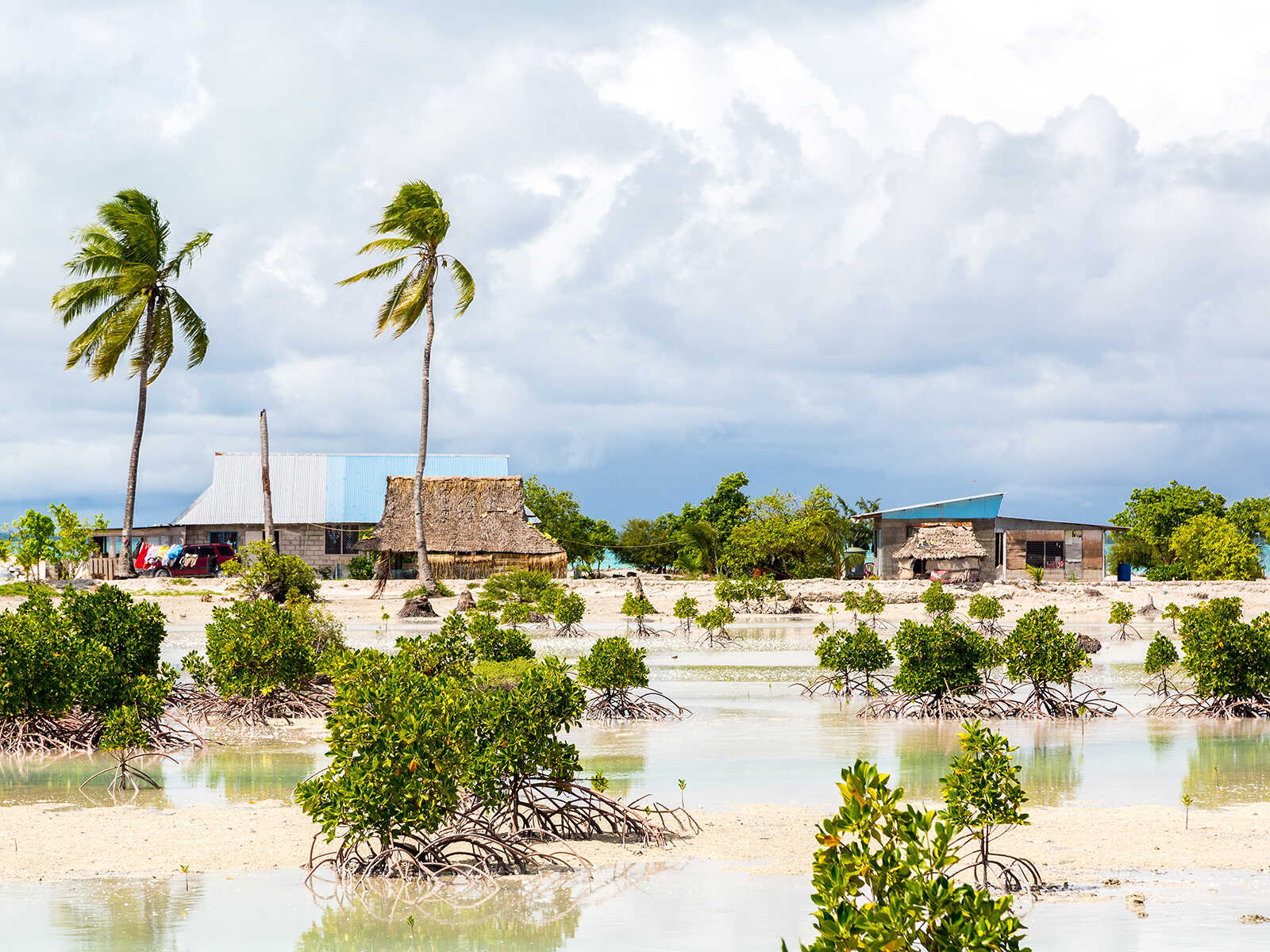
The Best Time for Fishing in Kiritimati: An Angler's Guide
Kiritimati, also known as Christmas Island, in the heart of Kiribati, stands as a legendary destination for serious anglers worldwide. Famed for its vast, pristine flats and abundant pelagic waters, understanding the nuances of its seasons is key to an unforgettable fishing adventure. This comprehensive guide will help you pinpoint the prime times to cast your line in this South Pacific paradise.
For those seeking an unparalleled flats fishing experience or thrilling offshore encounters,Kiritimati offers a diverse range of opportunities. Its unique ecosystem, comprising the largest coral atoll in the world, supports an incredible variety of marine life, making it a bucket-list destination for many.
Understanding Kiritimati's Climate and Seasons
Situated just north of the equator,Kiritimati experiences a tropical climate with relatively consistent temperatures year-round, typically ranging from 28-32°C (82-90°F). However, what truly defines its fishing seasons are the prevailing trade winds and rainfall patterns, broadly categorised into two main periods:
- Dry Season (Trade Wind Season):Generally runs from May to October. Characterised by stronger, more consistent easterly trade winds and lower humidity.
- Wet Season (Calm Season):Typically from November to April. Features calmer winds, higher humidity, and a greater chance of short, heavy rain showers, though prolonged downpours are rare.
These atmospheric conditions significantly influence tidal movements, water clarity, and fish behaviour, dictating the best times for targeting specific species and employing particular techniques.
Prime Target Species and Their Peak Seasons
Kiritimati boasts an impressive roster of game fish, each with its own optimal window for pursuit.
Bonefish (Albula vulpes)
Often dubbed the "Grey Ghost of the Flats," bonefish are the bread and butter of Kiritimati's fly fishing scene. They are abundant and can be targeted year-round. However, thedry season (May-October)often provides the most consistent conditions for sight fishing. Stronger trade winds can create ripples on the water, breaking up reflections and making it easier to spot fish. The lower humidity also makes for more comfortable wading. During the wet season, bonefish are still present, but calmer conditions might require more precise casting and quieter approaches.
Angler's Tip:While bonefish are always around, the biggest fish often appear during the larger tidal movements associated with new and full moon phases. Planning your trip around these times can increase your chances of a trophy catch.
Giant Trevally (Caranx ignobilis - GT)
The apex predator of the flats, Giant Trevally offer an explosive, adrenaline-pumping fight. GTs are present throughout the year, but their activity can be highly dependent on baitfish movements and tidal phases. Many experienced guides suggest that thetransition periods between the dry and wet seasons (April/May and October/November)can be particularly productive, as shifting weather patterns might concentrate bait. However, GTs are opportunistic hunters, and a keen guide can find them on the surfy edges and deeper channels regardless of the season.
Wahoo, Tuna, Mahi-Mahi, and Billfish
For offshore enthusiasts,Kiritimati's deep waters promise thrilling encounters with pelagic species.
- Wahoo:Often found year-round, but can be particularly aggressive during thewet season (November-April)when calmer seas allow for smoother trolling.
- Yellowfin Tuna & Skipjack Tuna:Abundant throughout the year, with peak activity often tied to bait schools.
- Mahi-Mahi (Dorado):More prevalent during thewet season, especially around floating debris or current lines.
- Sailfish & Marlin:While not as renowned for billfish as some other destinations, opportunities exist, particularly during thewet season's calmer conditions.
Milkfish (Chanos chanos)
A challenging and rewarding catch for fly anglers, milkfish are powerful, vegetarian fish that require precise presentations. They are typically targeted during thedry season (May-October)when clearer water and consistent winds make it easier to spot their subtle feeding behaviour on the flats. Their presence can be somewhat unpredictable, adding to the allure of landing one.
The "Best" Time: A Deeper Dive into Seasonal Advantages
While Kiritimati offers excellent fishing year-round, understanding the pros and cons of each season can help tailor your trip to your preferences.
Dry Season (May-October): The Classic Flats Experience
This period is widely considered the peak for traditional flats fishing on Kiritimati.
- Pros:
- Consistent Trade Winds:Ideal for sight fishing bonefish and GTs, as the wind creates ripples that reduce glare on the water.
- Lower Humidity:More comfortable for long days of wading and casting.
- Clearer Skies:Generally less chance of rain, leading to better visibility.
- Excellent Bonefish Action:Often the most consistent time for high numbers of bonefish.
- Cons:
- Choppier Offshore:Stronger winds can make offshore fishing less comfortable, though still productive.
- Can be Busy:As the "peak" season, some lodges might experience higher demand.
Wet Season (November-April): Calm Seas and Big Pelagics
Often overlooked by flats purists, the wet season offers unique advantages, particularly for offshore anglers.
- Pros:
- Calmer Seas:Ideal for comfortable offshore trolling and jigging for wahoo, tuna, and mahi-mahi.
- Big Fish Potential:Quieter conditions can sometimes lead to larger migratory pelagic species moving closer to the atoll.
- Less Wind on Flats:Can be beneficial for those who struggle with casting in strong winds, though spotting fish might be harder.
- Fewer Anglers:Potentially less crowded on the flats and with guides.
- Cons:
- Higher Humidity:Can be less comfortable for some anglers.
- Increased Rain Chance:While usually short-lived, rain can temporarily reduce visibility on the flats.
- Flats Sight Fishing Challenges:Calm, glassy conditions can make spotting fish more difficult due to surface glare.
Essential Gear and Techniques for Kiritimati
Regardless of the season, being well-prepared is crucial.
- Flats Fishing:A 9-weight fly rod is standard for bonefish, while a 10-12 weight is essential for GTs. Bring a variety of crab and shrimp patterns for bonefish, and large poppers or deceivers for GTs. Good quality polarized sunglasses are non-negotiable for spotting fish.
- Offshore Fishing:Heavy-duty trolling rods and reels are needed for pelagic species. Lures should include skirted trolling lures, diving plugs, and jigs.
- General:Sun protection (long-sleeved shirts, hats, buff, high SPF sunscreen), durable wading boots (for flats), a reliable waterproof bag, and plenty of hydration are vital. Always communicate your gear needs with your chosen lodge or guide beforehand.
Conservation and Sustainable Fishing
Kiritimati is a fragile ecosystem. Practicing catch-and-release, particularly for bonefish and GTs, is strongly encouraged to preserve the fishery for future generations. Adhere to local regulations and respect the natural environment that makes this destination so special.
Beyond the Fishing Rod
While fishing is undoubtedly the main draw,Kiritimati offers a unique cultural experience and incredible birdwatching opportunities. It's home to millions of seabirds, making it a globally significant bird sanctuary. Even if your focus is angling, take a moment to appreciate the island's unique biodiversity.
Conclusion
There's truly no "bad" time to fish in Kiritimati, only different experiences. Thedry season (May-October)is king for classic sight fishing on the flats, while thewet season (November-April)offers calmer offshore conditions and potentially less crowded flats. Your ideal time depends on your target species and preferred fishing style. By considering the seasonal patterns and preparing accordingly, you're set for an unforgettable angling adventure in one of the world's most pristine fishing frontiers.