
Tabuaeran Island Travel Guide: Remote Beauty in Kiribati
Embark on an extraordinary journey to Tabuaeran, also known as Fanning Island, a pristine atoll in Kiribati's remote Line Islands. This untouched paradise offers an unparalleled escape for adventurous travelers seeking genuine natural beauty and authentic cultural immersion far from the well-trodden tourist paths.
Discovering Tabuaeran: An Unspoiled Atoll
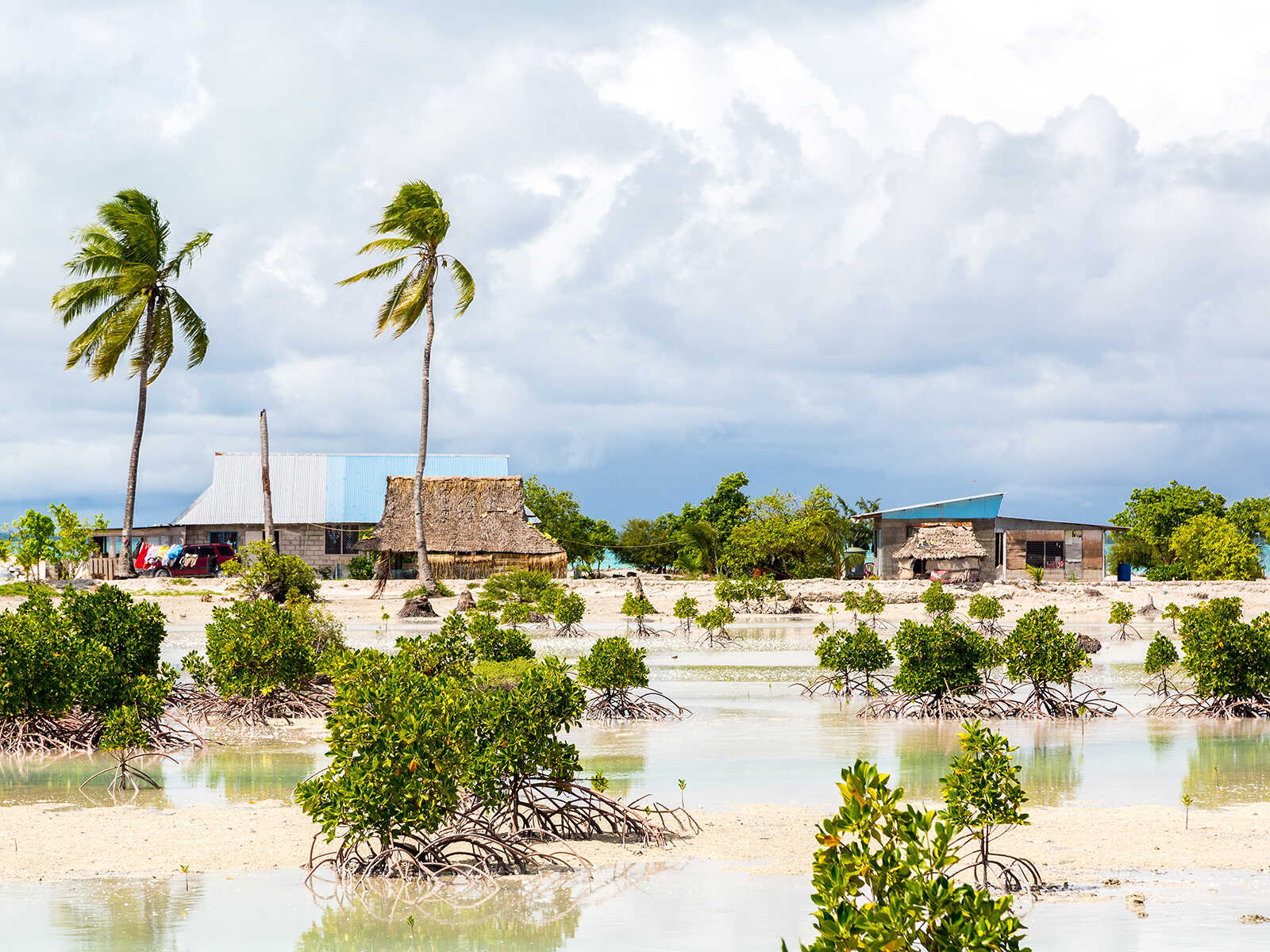
Tabuaeran is a coral atoll situated in the central Pacific Ocean, forming part of the Republic of Kiribati. Its remote location, roughly equidistant from Hawaii and the equator, has preserved its ecological integrity and traditional way of life. The atoll encompasses a narrow ring of land surrounding a spectacular, crystal-clear lagoon, home to a small, close-knit community.
Historically,Tabuaeran gained some recognition due to its occasional role as a cruise ship stopover, though this is infrequent, leaving its natural charm largely undisturbed. It shares a deep connection with its larger neighbor,Kiritimati(Christmas Island), both geographically and in terms of administrative ties within the Line Islands group. A visit here is a journey back to simplicity, where the rhythms of nature dictate daily life.
Getting to This Remote Paradise
Reaching Tabuaeran is an adventure in itself, underscoring its exclusivity. The primary gateway to the Line Islands is Kiritimati, which receives limited international flights. From Kiritimati, onward travel to Tabuaeran is typically by sea, via inter-island cargo ships or chartered vessels. These voyages are not on a fixed schedule and can be lengthy, often taking several days, depending on weather conditions and cargo needs.
Prospective visitors must plan meticulously, allowing ample flexibility in their itinerary. It's advisable to make arrangements well in advance through local contacts or tour operators specializing in Kiribati travel, as independent travel can be challenging. The journey itself becomes an integral part of the experience, offering glimpses of the vast, open Pacific Ocean.
Accommodation: Simple Living at its Best
Accommodation options on Tabuaeran are basic, reflecting the island's remote and undeveloped nature. There are no luxury resorts or large hotels. Instead, travelers can expect to find small, locally run guesthouses or the possibility of homestays, offering a unique opportunity to live alongside the islanders and experience their daily routines firsthand.
These accommodations typically provide fundamental amenities: a bed, mosquito net, and shared bathroom facilities. Electricity might be limited to certain hours, often powered by generators or solar panels. Guests should be prepared for a rustic experience and consider bringing personal supplies, such as toiletries, snacks, and a reliable power bank. This simple living fosters a deeper connection with the environment and the local community.
Things to Do and See on Tabuaeran
Pristine Beaches and Lagoon
The undeniable highlight of Tabuaeran is its breathtaking natural environment. The atoll boasts miles of untouched white sand beaches fringing a magnificent turquoise lagoon. Spend your days swimming in the warm, clear waters, snorkeling among vibrant coral reefs teeming with marine life, or simply relaxing on the secluded shores, soaking in the tranquility.
Birdwatching Opportunities
Tabuaeran, like its Line Islands neighbors, is a significant breeding ground for various seabirds. Birdwatchers will delight in spotting species such as Red-footed Boobies, Frigatebirds, and various terns. The undisturbed islets within the lagoon offer fantastic opportunities for observing these fascinating creatures in their natural habitat.
Sustainable Fishing
Fishing is an integral part of life on Tabuaeran. Visitors may have the chance to join local fishermen on traditional outrigger canoes, learning sustainable fishing techniques passed down through generations. It's a fantastic way to experience local culture and potentially catch your own dinner.
Cultural Immersion
One of the most rewarding aspects of visiting Tabuaeran is the opportunity for genuine cultural immersion. Engage with the friendly I-Kiribati people, learn about their customs, and perhaps witness traditional dancing or craft-making. A visit to the main village provides insight into their self-sufficient lifestyle and community spirit.
Interesting Fact:The traditional I-Kiribati way of life on islands like Tabuaeran is deeply intertwined with the ocean and the land, emphasizing sustainable practices for survival in a challenging environment.
Local Culture and Etiquette
The people of Kiribati are known for their warmth and hospitality. To ensure a respectful and positive experience, it's important to observe local customs:
- Modest Dress:When in villages or outside of swimming areas, dress modestly. For women, this typically means covering shoulders and knees.
- Asking Permission:Always ask for permission before taking photographs of people.
- Community Respect:The community structure is strong. Be mindful of local gatherings and practices.
- Language:While some English is spoken, especially by younger generations, learning a few basic Gilbertese phrases will be greatly appreciated. "Mauri" (hello) is a good start.
Practical Tips for Travelers
Health and Safety
There are no advanced medical facilities on Tabuaeran. Bring a comprehensive first-aid kit, including antiseptic wipes, bandages, pain relievers, and any personal medications. Sun protection (hats, sunglasses, high-SPF sunscreen) and insect repellent are essential.
Water and Food
Safe drinking water can be scarce. It's highly recommended to bring your own water purification tablets or a filter bottle, or purchase bottled water if available. The local diet primarily consists of fresh fish, coconut, breadfruit, and pandanus. Be open to trying local cuisine.
Connectivity
Expect little to no internet or mobile phone service. This is an ideal destination for a complete digital detox, allowing you to fully immerse yourself in the natural surroundings.
Currency
The official currency of Kiribati is the Australian Dollar (AUD). It's crucial to carry sufficient cash, as there are no ATMs or credit card facilities on Tabuaeran.
Packing Essentials
Beyond the basics, consider packing reef shoes (for walking on coral), a sturdy waterproof bag, a headlamp or flashlight, extra batteries, a power bank for charging devices, and lightweight, quick-drying clothing.
Environmental Responsibility
Practice responsible tourism. Leave no trace, dispose of waste properly, and avoid disturbing marine life or coral reefs. Help preserve Tabuaeran's pristine environment for future generations.
Best Time to Visit
Kiribati generally experiences a tropical climate. The drier season, typically from May to October, offers more consistent sunny weather and calmer seas, making it ideal for travel. The wetter season, from November to April, can bring more rainfall and humidity, though showers are often brief. Regardless of the season, the warmth and beauty of Tabuaeran remain constant.
Why Tabuaeran is a Unique Destination
Tabuaeran is not for every traveler. It appeals to those with an adventurous spirit, a desire for authenticity, and a deep appreciation for untouched natural beauty. Its remoteness is its greatest asset, safeguarding its pristine environment and cultural heritage from mass tourism.
Unlike more developed destinations,Tabuaeran offers a chance to disconnect from the modern world and reconnect with nature and a simpler way of life. It’s a place where time seems to slow down, where the rhythm of the tides and the warmth of the sun dictate your days, leaving you with profound memories of an unspoiled Pacific paradise.
Conclusion
A journey to Tabuaeran is more than just a trip; it's an expedition into one of the world's last true frontiers. For those willing to embrace the challenges of remote travel, the rewards are immeasurable: breathtaking landscapes, genuine cultural encounters, and an profound sense of peace.Tabuaeran stands as a testament to Kiribati's remote beauty, offering an unforgettable experience for the intrepid traveler.