
Responsible Tourism in Kiribati: How to Travel Sustainably
Kiribati, a nation of 33 coral atolls and reef islands scattered across the central Pacific, offers an unparalleled glimpse into a unique island culture and pristine marine environments. As this beautiful archipelago faces significant environmental challenges, traveling responsibly is not just a recommendation but a necessity to preserve its delicate ecosystems and vibrant way of life for future generations.
Understanding Kiribati's Unique Environment and Challenges
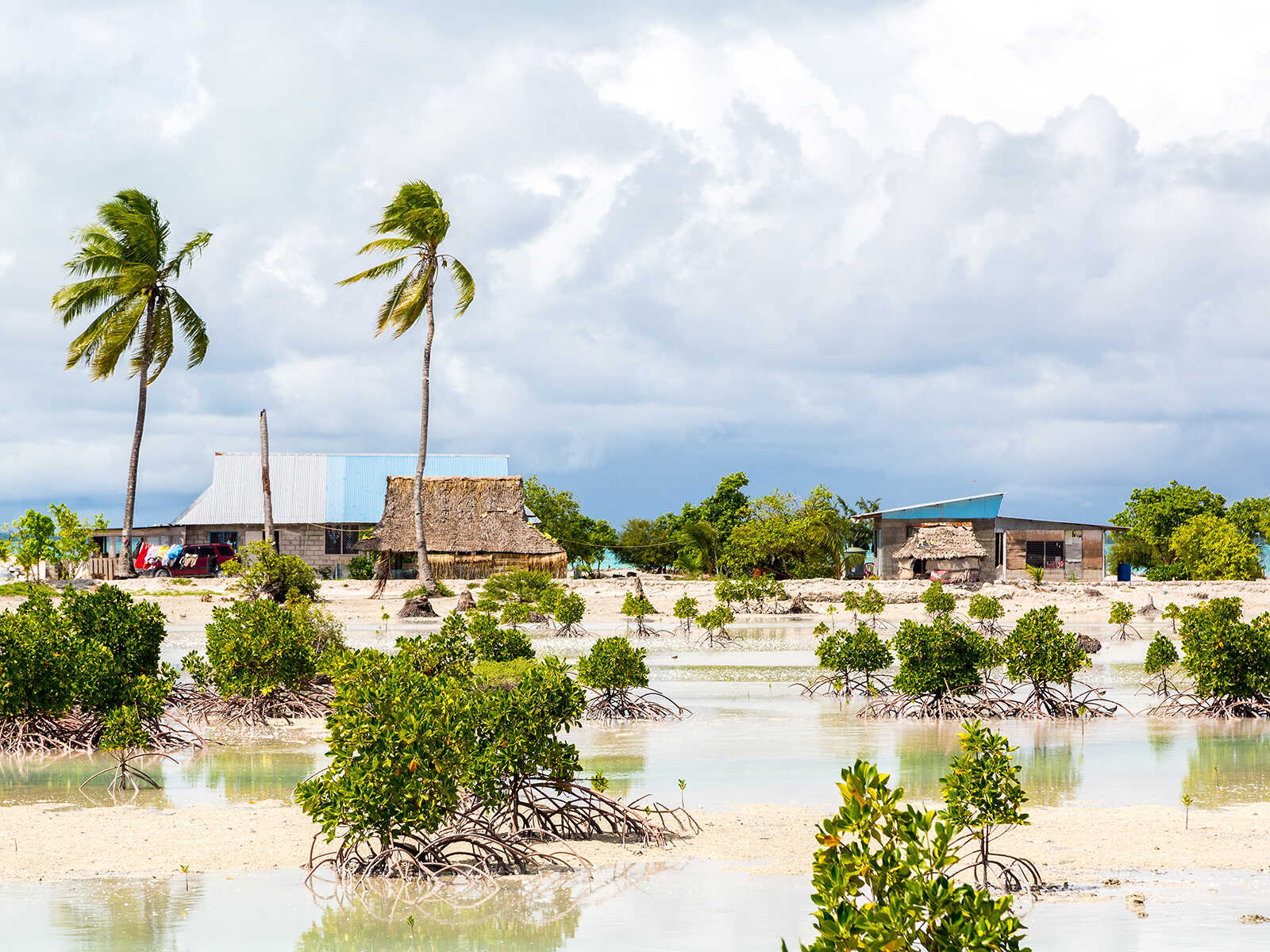
Comprising low-lying atolls, Kiribati's geography makes it particularly vulnerable to the impacts of climate change, including rising sea levels and coastal erosion. Its remote location contributes to its untouched beauty but also presents logistical challenges for waste management and resource conservation. The I-Kiribati people, with their deep connection to the ocean and land, live a traditional lifestyle that is intimately tied to the health of their environment.
Travelers to Kiribati have a unique opportunity to witness incredible biodiversity, from vibrant coral reefs teeming with marine life to vast bird sanctuaries. However, this privilege comes with the responsibility to ensure that tourism supports, rather than detracts from, the nation's efforts to protect its natural and cultural heritage.
Why Sustainable Travel is Crucial for Kiribati
Sustainable tourism in Kiribati isn't just about reducing your carbon footprint; it's about fostering positive impacts across environmental, social, and economic spheres. By making conscious choices, you can help:
- Preserve Fragile Ecosystems:Protect the delicate coral reefs, vital marine habitats, and unique island flora and fauna from damage and pollution.
- Support Local Communities:Ensure that tourism benefits the I-Kiribati people directly, providing economic opportunities and fostering cultural pride.
- Respect Cultural Heritage:Engage with local traditions, customs, and beliefs in a way that honors and sustains them.
- Mitigate Climate Impacts:Minimize resource consumption and waste generation, reducing pressure on already strained island resources.
Practical Tips for Sustainable Travel in Kiribati
Embrace Local Culture and Community
One of the most enriching aspects of visiting Kiribati is experiencing its unique culture. Show your respect by making an effort to learn and engage.
- Learn Basic Phrases:Even a few words in Gilbertese (Te taetae ni Kiribati) like "Mauri" (hello) or "Ko rabwa" (thank you) can open doors and show genuine interest.
- Respect Local Customs:Dress modestly, especially in villages and outside of resort areas. Always ask for permission before taking photos of people. Understanding the local concept ofTe Mauri(health, peace, prosperity, and respect) is key to meaningful interactions.
- Support Local Businesses:Choose guesthouses and tour operators owned by I-Kiribati. Purchase handicrafts directly from artisans, ensuring your money directly benefits the local economy. Consider exploring local markets in places like Tarawa for authentic goods and produce.
- Engage Respectfully:Be open to conversations, listen to local stories, and participate in cultural events if invited. Your genuine curiosity is appreciated.
Did you know?In Kiribati, the concept ofbuakarefers to a strong sense of community and collective responsibility, which extends to how resources are shared and protected.
Minimize Your Environmental Footprint
Given Kiribati's vulnerability, every effort to reduce your environmental impact is significant.
- Waste Management:Kiribati has limited capacity for waste processing.Reduce your plastic use drasticallyby bringing reusable water bottles, shopping bags, and containers. Avoid single-use plastics whenever possible. Take non-biodegradable waste with you if facilities are unavailable.
- Water Conservation:Fresh water is a precious and scarce resource on atolls. Take shorter showers, turn off taps, and be mindful of your water consumption at all times.
- Energy Use:Conserve electricity by turning off lights and air conditioning when leaving your room. Choose accommodations that utilize solar power or other renewable energy sources.
- Marine Life Protection:When snorkelling or diving, never touch coral or marine life. Do not feed fish, as this disrupts their natural behaviour. Choose responsible tour operators who adhere to strict marine conservation guidelines, particularly around areas like the Phoenix Islands Protected Area, near islands such as Kiritimati or Tabuaeran, which are rich in biodiversity.
- Respect Wildlife:Observe wildlife from a distance and never disturb nesting birds or other animals, especially on remote islands like Nikumaroro island, which are crucial breeding grounds.
Support the Local Economy
Your spending choices have a direct impact on the livelihoods of Kiribati residents.
- Choose Local Accommodation:Opt for locally owned guesthouses, small hotels, or homestays. These keep tourism revenue within the community.
- Dine Locally:Eat at local restaurants, cafes, and food stalls. This supports local farmers and cooks and offers an authentic culinary experience.
- Hire Local Guides:When exploring, hire local guides. They possess invaluable knowledge of the culture, history, and natural environment, and your payment directly supports their families.
- Purchase Authentic Souvenirs:Look for handmade crafts like woven mats, shell jewellery, or wood carvings. Ensure they are made locally and that the materials are sustainably sourced.
Be a Mindful Explorer
Beyond environmental and economic considerations, responsible tourism involves being a considerate guest.
- Ask Permission:Always ask permission before entering private property or taking photographs of people.
- Dress Appropriately:Modest dress is generally expected, especially outside of resort areas and when visiting villages or religious sites.
- Understand Local Laws and Etiquette:Familiarize yourself with local regulations and cultural etiquette. The Parliament Building in Tarawa is a significant landmark; respect any guidelines when visiting government buildings.
- Stay Informed:Be aware of local news and environmental issues affecting Kiribati. This helps you understand the context of your visit and travel more thoughtfully.
Planning Your Responsible Trip to Kiribati
A little preparation goes a long way in ensuring your trip is sustainable. Research ethical tour operators, pack smart (think reusables and reef-safe sunscreen), and educate yourself on the unique challenges and opportunities in Kiribati.
By making conscious choices, you contribute to a positive cycle where tourism helps protect Kiribati's natural beauty and cultural integrity, ensuring that this incredible destination can be enjoyed responsibly for generations to come. Your journey to Kiribati can be more than just a vacation; it can be an act of solidarity and support for a nation at the forefront of climate change and cultural preservation.