
Kiribati's Hidden Gems: Discovering Off-the-Beaten-Path Islands
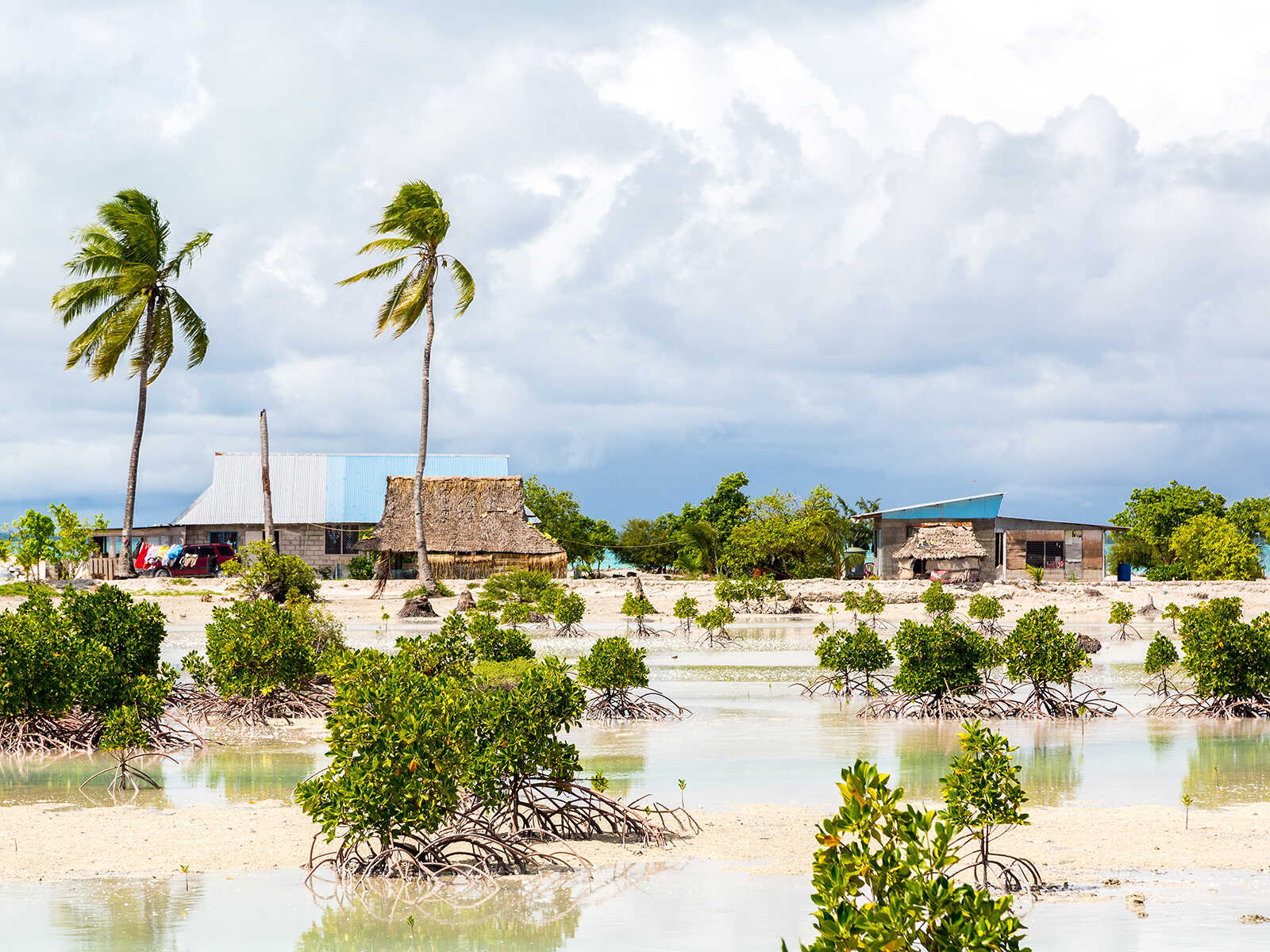
Kiribati, a nation of 33 coral atolls and reef islands scattered across the central Pacific, offers an unparalleled opportunity for the intrepid traveler. Far removed from mainstream tourism, these remote islands promise authentic cultural encounters, pristine natural beauty, and a chance to experience a truly untouched paradise. Venture beyond the usual and uncover the unique allure of Kiribati's lesser-known havens.
Embracing the Remote Charm of Kiribati
Comprising three distinct island groups – the Gilbert Islands, the Line Islands, and the Phoenix Islands – Kiribati is a destination defined by its vast ocean expanse and rich I-Kiribati heritage. While the capital on Tarawa provides an introduction to the nation, the real magic of Kiribati unfolds on its outer islands, where traditional life continues largely undisturbed and the natural world thrives.
The Gilbert Islands: A Glimpse into Authentic I-Kiribati Life
The Gilbert Islands, the most populous group, are the cultural heartland of Kiribati. While Tarawa serves as the main entry point, venturing to its neighboring atolls offers a deeper dive into local customs and serene island living. These islands are typically accessible via domestic flights or inter-island ferries from Tarawa, though schedules can be infrequent.
Abaiang and Maiana: Serenity Near the Capital
Just a short boat ride or flight from Tarawa, islands like Abaiang and Maiana offer a stark contrast to the capital's bustle. Here, you'll find tranquil lagoons, endless white sand beaches, and villages where life moves at a gentle pace. Visitors can experience:
- Traditional Maneabas:Participate in local gatherings or simply observe the intricate design of these community meeting houses.
- Fishing and Copra Production:Witness age-old practices of subsistence fishing and the harvesting of coconuts for copra, the economic backbone of many islands.
- Warm Hospitality:Engage with friendly locals eager to share their culture and traditions.
Accommodation often comes in the form of simple guesthouses or homestays, providing an immersive cultural experience rather than luxury resorts.
"Life on Kiribati's outer islands is a masterclass in simplicity and resilience. It's a place where the rhythm of the tides dictates daily life, and community bonds are palpable."
Butaritari: A Rich History and Lush Landscape
Further north in the Gilberts lies Butaritari, a larger and historically significant atoll. Known for its lush vegetation and deep lagoon, Butaritari played a role in World War II, offering a fascinating layer of history alongside its natural beauty. Exploring Butaritari reveals:
- War Relics:Discover remnants from the war scattered around the island.
- Vibrant Villages:Enjoy the daily life of I-Kiribati communities, often centered around fishing and traditional crafts.
- Beautiful Scenery:Hike through coconut groves and relax by secluded beaches.
The Line Islands: Pristine Atolls and Natural Wonders
Stretching thousands of kilometers east of the Gilberts, the Line Islands are even more remote, characterized by vast, uninhabited atolls and unparalleled marine ecosystems. Access to these islands is primarily via flights to Kiritimati or sometimes by specialized charter vessels.
Kiritimati(Christmas Island): A Megalith of Nature
Kiritimati, the largest coral atoll in the world by land area, is famous among anglers for its world-class bonefishing and fly-fishing. However, beyond its fishing reputation,Kiritimati offers much more for the explorer:
- Birdwatching Paradise:Home to millions of seabirds, including red-footed boobies, frigatebirds, and sooty terns, making it a vital nesting ground.
- Vast Lagoons:Explore the immense, intricate lagoon system, perfect for kayaking or simply observing marine life.
- Unique Isolation:Experience life in one of the most remote inhabited places on Earth, where the sheer scale of nature dominates.
Tabuaeran(Fanning Island): A Cruise Stop with Hidden Depths
While Tabuaeran occasionally sees cruise ship visits, its interior and outer reaches remain wonderfully undeveloped. Its pristine lagoon is ideal for snorkeling and swimming, and the island offers a genuine slice of quiet island life. You can often buy local handicrafts directly from the artisans here.
Uninhabited Gems: Malden and Starbuck Islands
For the truly adventurous, islands like Malden and Starbuck in the Southern Line Islands represent the epitome of untouched nature. These are largely uninhabited, serving as critical bird sanctuaries and marine protected areas. Access is extremely limited, usually requiring private charters or scientific expeditions, but they offer glimpses of what truly pristine Pacific atolls look like.
The Phoenix Islands: A UNESCO World Heritage Site
The Phoenix Islands Protected Area (PIPA) is one of the world's largest and deepest marine protected areas, recognized as a UNESCO World Heritage site. This group of eight atolls and two submerged reef systems is a global treasure for its biodiversity and pristine marine ecosystems. Access is highly restricted and primarily for scientific research, conservation, or highly specialized eco-tourism, emphasizing its status as an untouched natural sanctuary.
Islands within PIPA, such as Nikumaroro Island, offer a glimpse into a world where human impact is minimal, and nature reigns supreme. The focus here is on preservation, ensuring these vital habitats remain protected for future generations.
Planning Your Off-the-Beaten-Path Adventure
Exploring Kiribati's hidden gems requires careful planning and a flexible mindset. This is not a destination for mass tourism, but for those seeking genuine discovery.
Getting There and Around
- International Flights:The main international gateways are Bonriki International Airport on Tarawa(TRW) and Cassidy International Airport on Kiritimati(CXI).
- Inter-Island Travel:Domestic flights operate between Tarawa and some outer islands in the Gilbert and Line groups, but schedules are often irregular and subject to change. Inter-island ferries are another option but can be slow and basic. Chartering a private boat is possible but significantly more expensive.
- Local Transport:On the islands, you'll find local buses, shared taxis, or simply walking and cycling.
Accommodation
Expect basic but clean accommodation. Guesthouses, local lodges, and homestays are the norm. These offer a fantastic opportunity to interact with local families and experience authentic I-Kiribati hospitality. It's advisable to book well in advance, especially for outer islands, as options are limited.
Cultural Sensitivity
The I-Kiribati people are welcoming, but respecting local customs is paramount:
- Dress Modestly:Especially outside of bathing areas, conservative dress is appreciated.
- Ask Permission:Always ask before taking photos of people or entering private property.
- Participate:Embrace opportunities to join in local activities, ceremonies, or shared meals.
Essential Packing
- Sun Protection:High SPF sunscreen, hat, sunglasses, and rash guard are crucial.
- Insect Repellent:Essential for evenings.
- Basic First Aid Kit:Pharmacies are limited on outer islands.
- Water Purification:Consider a water filter or purification tablets.
- Cash:The Australian Dollar (AUD) is the currency. ATMs are rare outside of Tarawa, so carry sufficient cash.
- Reusable Water Bottle:Help reduce plastic waste.
A Journey of True Discovery
Kiribati's hidden gems offer more than just beautiful scenery; they offer a profound journey into a unique culture and an unspoiled natural world. For those willing to embrace the challenges of remote travel, the rewards are immeasurable: genuine connections, unforgettable experiences, and a deeper understanding of one of the Pacific's last truly authentic destinations.