
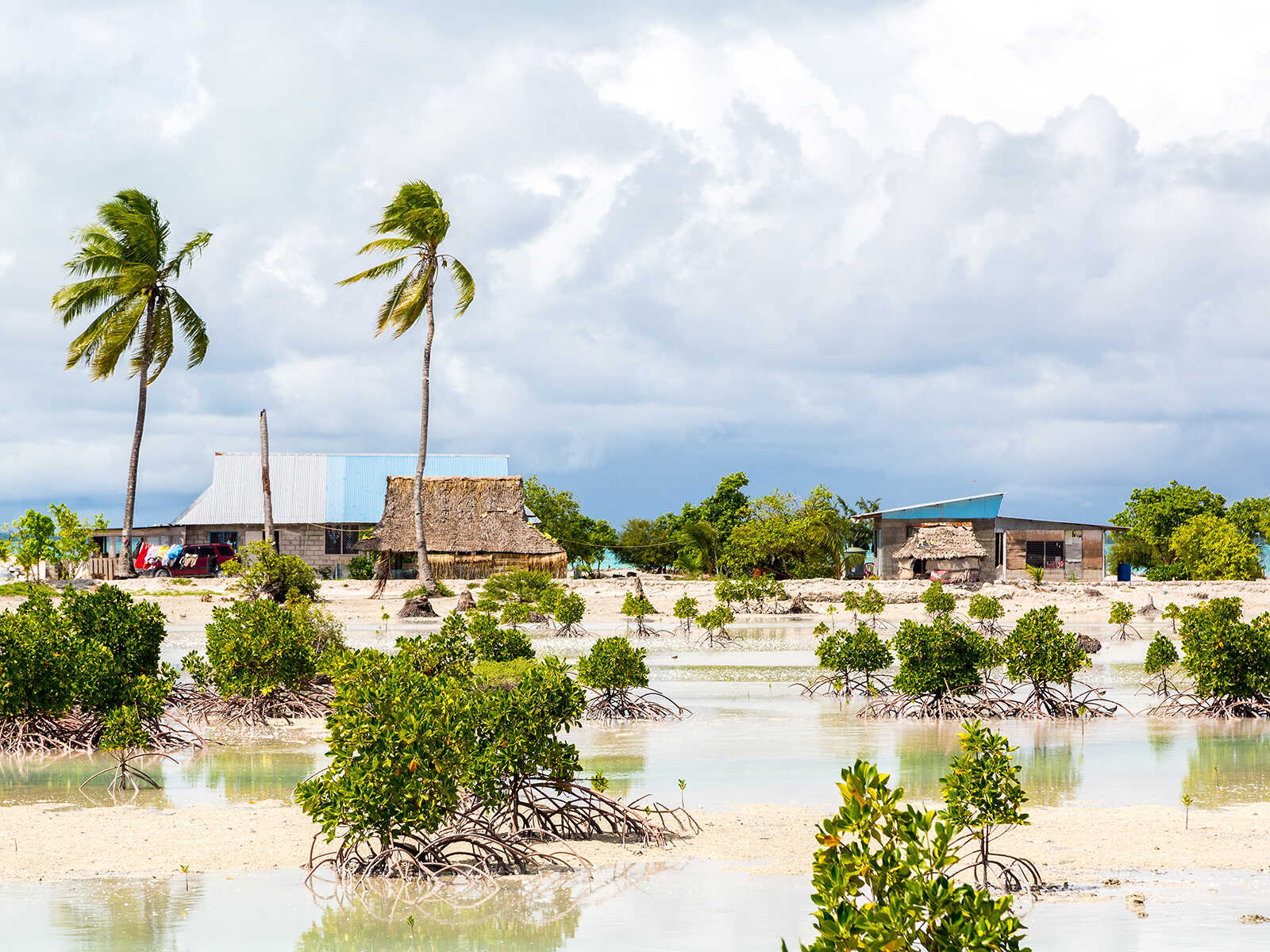
Kiribati Travel Safety: Essential Tips for a Smooth Trip
Kiribati, a remote island nation scattered across the central Pacific, offers an unparalleled opportunity to experience pristine atolls, vibrant culture, and a truly off-the-beaten-path adventure. To ensure your journey through this unique destination is as smooth, safe, and memorable as possible, understanding key travel safety considerations is paramount.
Understanding Kiribati: What to Expect
Kiribati is an archipelagic state comprising 32 atolls and one raised coral island, Banaba. Its sheer remoteness means infrastructure can be basic outside of the capital,Tarawa. Embrace the slower pace of life and prepare for limited amenities, which is part of the charm of visiting such a secluded paradise.
Local Culture and Customs
The I-Kiribati people are known for their warmth and hospitality. Showing respect for local customs is crucial for a positive experience. Dress modestly, especially when visiting villages or religious sites. A simple "Mauri" (hello) goes a long way. Public displays of affection are generally frowned upon, and it's polite to ask permission before taking photos of people.
Cultural Tip:Always remove your shoes before entering a home or community building in Kiribati. It's a sign of respect and cleanliness.
Health and Medical Preparedness
Prioritizing your health is essential when traveling to Kiribati, where medical facilities are limited, particularly on outer islands.
Before You Go: Vaccinations and Insurance
- Consult Your Doctor:Discuss recommended vaccinations, which may include Hepatitis A and B, Typhoid, and Tetanus. Ensure routine vaccinations are up to date.
- Travel Insurance:Comprehensive travel insurance is non-negotiable. Ensure it covers medical emergencies, including evacuation to a country with advanced medical facilities (e.g., Australia or New Zealand), as well as trip cancellation and lost luggage.
During Your Trip: Staying Healthy
- Water Safety:Drink only bottled, boiled, or purified water. Avoid ice cubes in drinks unless you're certain of the water source.
- Food Hygiene:Eat at reputable establishments. Opt for cooked foods, and peel fruits and vegetables yourself. Be wary of street food unless you see it being prepared fresh and hygienically.
- Mosquito Protection:Dengue fever is present. Use insect repellent containing DEET, wear long sleeves and pants, especially at dawn and dusk, and sleep under mosquito nets if available.
- First-Aid Kit:Carry a well-stocked kit including band-aids, antiseptic wipes, pain relievers, anti-diarrhea medication, rehydration salts, and any personal prescription medications.
Personal Safety and Security
Kiribati generally has a low crime rate, but it's always wise to practice common-sense safety measures, especially in more populated areas like Tarawa.
Minimizing Risk
- Valuables:Keep valuables out of sight, and avoid flashing large amounts of cash. Use hotel safes if available.
- Awareness:Be aware of your surroundings, particularly at night. Avoid walking alone in poorly lit or unfamiliar areas.
- Alcohol:Consume alcohol responsibly. Intoxication can make you more vulnerable to opportunistic crime.
Local Laws and Regulations
Familiarize yourself with local laws. Drug offenses are taken very seriously. The Parliament Building in Tarawa sets the laws for the nation, and visitors are expected to abide by them.
Navigating the Environment
The beautiful natural environment of Kiribati also presents some unique safety considerations.
Sun and Heat Exposure
The equatorial sun is incredibly strong. Protect yourself from sunburn and heatstroke:
- Sunscreen:Use high SPF, broad-spectrum sunscreen and reapply frequently.
- Protective Clothing:Wear hats, sunglasses, and lightweight, long-sleeved clothing.
- Hydration:Drink plenty of fluids to prevent dehydration.
Water Safety
Kiribati's lagoons and ocean offer fantastic swimming and snorkeling, but caution is advised:
- Currents:Be aware of strong currents, especially near passes in the reef. If in doubt, don't swim.
- Reef Safety:Coral reefs can cause cuts, and some marine life (like stonefish or jellyfish) can be venomous. Avoid touching coral and wear reef shoes.
- Boating:If chartering a boat, ensure it has proper safety equipment and a skilled operator.
Environmental Concerns
As a low-lying island nation, Kiribati is particularly vulnerable to the impacts of climate change, including rising sea levels and more intense weather events. While unlikely to directly affect your daily safety, understanding these challenges can inform responsible tourism practices. Islands like Kiritimati(Christmas Island) are vast and remote, requiring careful planning for any extensive exploration.
Transportation Safety
Getting around Kiribati, especially between atolls, requires patience and planning.
Inter-Island Travel
Travel between islands typically involves domestic flights or cargo/passenger vessels. These services can be infrequent and subject to delays or cancellations due to weather or operational issues. Always reconfirm your travel arrangements.
- Flights:Domestic planes are usually small. Adhere to luggage weight limits.
- Ferries/Boats:If traveling by sea, ensure the vessel appears seaworthy and not overcrowded. Life jackets should be readily available. For very remote destinations like Tabuaeran or Nikumaroro island, specialized charters are often the only option, requiring meticulous safety planning.
Local Transportation
On Tarawa, taxis and shared minibuses (buses) are common. Always agree on a fare before starting your journey. Roads can be uneven, so drive or ride defensively. Bicycles are also a popular mode of transport.
Responsible Tourism
Your visit can have a positive impact on Kiribati. Practicing responsible tourism contributes to the safety and well-being of both visitors and locals.
- Support Local:Patronize local businesses, guesthouses, and handicraft sellers.
- Minimize Waste:Plastic waste is a significant issue. Reduce your use of single-use plastics and dispose of rubbish properly. Carry a reusable water bottle.
- Respect the Environment:Do not disturb wildlife, damage coral, or remove natural souvenirs from protected areas.
Emergency Preparedness and Communication
Knowing what to do in an emergency is key.
- Emergency Contacts:Keep a list of emergency numbers, including the local police, your embassy/consulate, and your travel insurance provider.
- Communication:Mobile phone coverage can be sporadic outside of Tarawa. Consider purchasing a local SIM card for better connectivity. Inform someone of your travel plans, especially if heading to remote areas.
- Embassy Registration:Register your travel plans with your country's embassy or consulate. This allows them to contact you in an emergency.
A trip to Kiribati is an extraordinary journey into a world unlike any other. By being prepared, respectful, and mindful of your surroundings, you can ensure your visit is not only safe but also deeply enriching and unforgettable.