
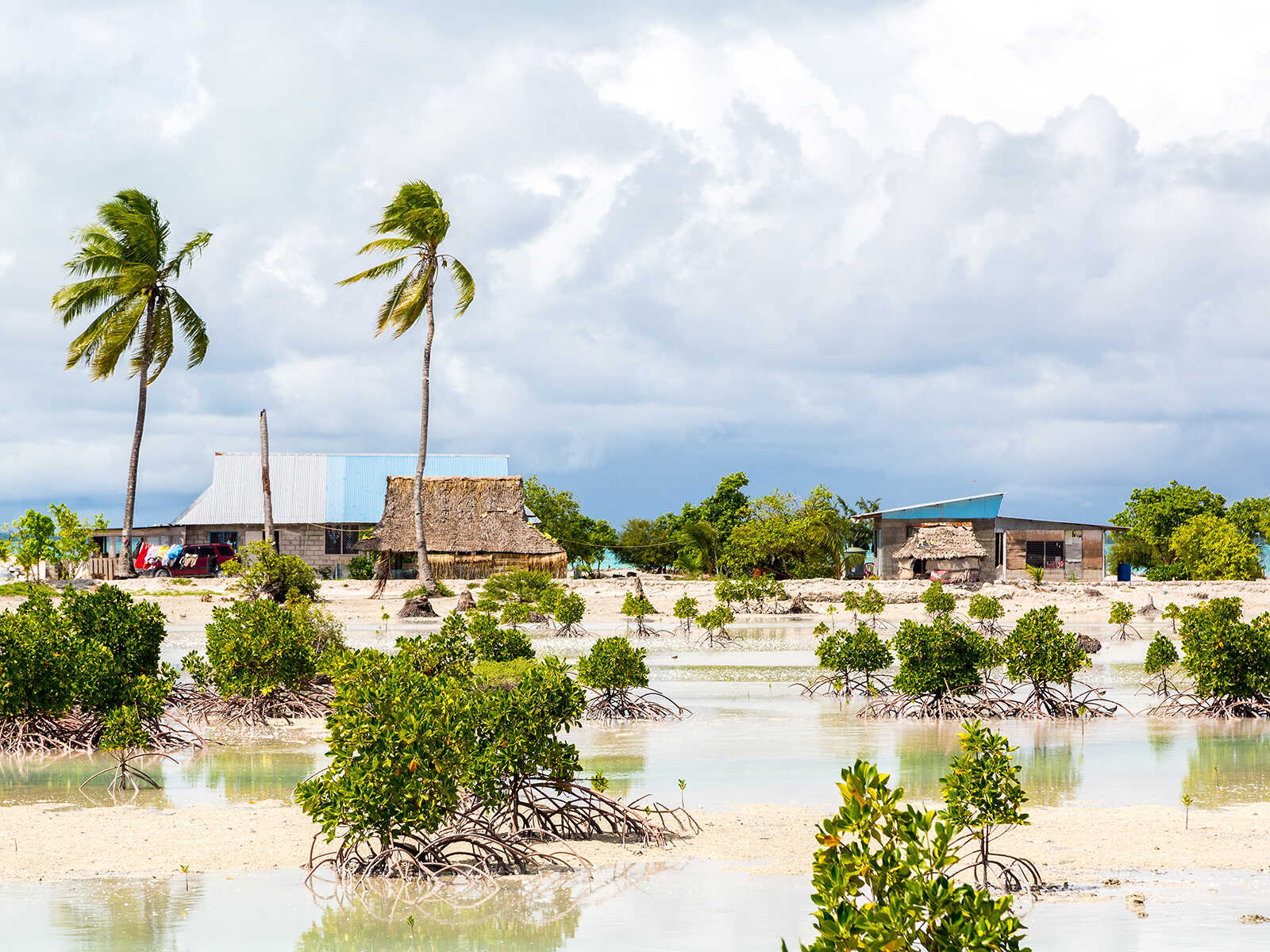
Kiribati Culture and Customs: Etiquette for Respectful Travel
Venturing to Kiribati offers an unparalleled journey into a pristine Pacific paradise, but it's the warmth and unique customs of its people that truly define the experience. To ensure your visit is both enriching for you and respectful of local traditions, understanding Kiribati culture and customs is paramount. This guide provides essential etiquette tips for a truly authentic and considerate exploration of these remarkable atolls.
Embracing the Heart of Kiribati: Core Values
At the core of Kiribati society lies a deep reverence for community, family, and tradition. Life here moves at a slower, more deliberate pace, deeply connected to the ocean and ancestral ways. Visitors are often struck by the genuine hospitality and the strong sense of collective identity.
Te Mauri: The Spirit of Welcome
The I-Kiribati greeting, "Te Mauri," translates to "health, peace, and prosperity," and it encapsulates the generous spirit you'll encounter. It’s more than just a hello; it’s an invitation to share in the island's tranquility and well-being. When greeted, a polite "Ko na Mauri" (to one person) or "Kam na Mauri" (to more than one) is always appreciated.
Respect for Elders and Community
Elders hold a revered position in Kiribati society, their wisdom guiding families and communities. Deferring to elders, listening attentively, and showing respect through actions and words are fundamental. Community decisions are often made collectively, emphasizing harmony and consensus, particularly within the traditional meeting houses known asmaneaba.
“Te roro nako te bwae ni kawai, te roro nako te bwae ni kamatoa.”
(The journey is the path, the journey is the strengthening.)
Navigating Social Interactions with Grace
Your interactions with I-Kiribati people will be central to your experience. A little cultural awareness goes a long way in fostering positive connections.
Dress Code: Modesty is Key
Kiribati is a conservative society, and modest dress is expected, especially outside of resort areas. For women, this means covering shoulders and knees. Long skirts or sulus (wraps) are ideal. Men should opt for shirts and long shorts or trousers. Swimwear is appropriate only at the beach or designated swimming areas. Topless sunbathing is strictly prohibited.
Visiting Homes and Villages
If you are invited into an I-Kiribati home, consider it an honor. It's customary to remove your shoes before entering. A small, thoughtful gift, such as food or a practical item, is a kind gesture but not obligatory. Always accept offers of food or drink, even if you can only take a small portion, as refusing can be seen as impolite. Patience is also a virtue; don't rush conversations or meals.
Public Conduct and Photography
Public displays of affection are generally frowned upon. Keep noise levels down, especially in residential areas or nearmaneaba. When taking photographs, always ask for permission first, particularly when photographing individuals, children, or religious sites. A simple gesture and "Bane Kaina?" (Is it okay?) will usually suffice, followed by a grateful smile.
Traditional Practices and Sacred Spaces
Kiribati's rich cultural heritage is best observed and respected in its traditional settings and ceremonies.
The Maneaba: Heart of the Community
Themaneaba, or traditional meeting house, is the spiritual and social epicenter of every village. These impressive, open-sided structures are where community meetings, celebrations, and important ceremonies take place. When entering amaneaba, remove your shoes and be mindful of your head, as the central posts are often considered sacred. Sit respectfully, avoid pointing your feet at people, and generally observe the decorum of the locals. If an event is happening, ask permission before taking photos or joining.
Many important discussions about the future of communities across Tarawa and other atolls happen within these structures, reflecting the democratic and communal spirit that also informs the more modern Parliament Building.
Music and Dance: Expressions of Identity
Traditional Kiribati dance, such as theTe BinoandRuoia, are mesmerizing forms of storytelling and cultural expression. They often involve intricate hand movements, rhythmic clapping, and chanting, reflecting the movements of frigate birds or the ocean waves. If you have the opportunity to witness a performance, appreciate it respectfully, and you might even be invited to participate in a simple step.
Cuisine and Communal Feasting
Food is central to Kiribati hospitality and social gatherings. Expect fresh seafood, root crops like taro and breadfruit, and abundant coconuts.
- Toddy (Karewe):Fresh coconut sap, a staple drink. It's non-alcoholic when fresh, but ferments quickly into an alcoholic beverage calledkamaimai.
- Communal Meals:Feasts are often shared on mats, with food served communally. Wait to be served and accept what is offered.
- Fish:Tuna, snapper, and reef fish are caught daily and prepared in various delicious ways, often raw with lime (similar to ceviche) or grilled.
While visiting islands like Kiritimati or Tabuaeran, you'll find that fresh, local ingredients form the backbone of every meal, connecting you directly to the island's bounty.
Environmental Responsibility: Protecting a Fragile Paradise
Kiribati's low-lying atolls are incredibly vulnerable to climate change, making environmental respect not just polite, but crucial. Be a responsible traveler:
- Waste Management:Pack out what you pack in. Dispose of rubbish properly. Avoid single-use plastics where possible.
- Marine Life:Do not touch coral, feed fish, or disturb marine creatures. Use reef-safe sunscreen.
- Water Conservation:Fresh water is a precious resource. Use it sparingly.
Even on remote islands like Nikumaroro island, the impact of human activity, however small, can have significant consequences on the delicate ecosystem.
Communication and Language
English is an official language and widely understood, especially in Tarawa and tourist areas. However, learning a few basic phrases in I-Kiribati will be genuinely appreciated and can open doors to deeper cultural connections.
- Hello:"Ko na Mauri" (to one person) / "Kam na Mauri" (to many)
- Thank you:"Ko rabwa"
- Yes:"Eng"
- No:"Bwenaa"
- Please:"Taiaoka"
Communication can sometimes be indirect; direct confrontation or refusal is often avoided to maintain harmony. Patience and a gentle approach are always best.
Conclusion: A Journey of Mutual Respect
Traveling through Kiribati is an invitation to slow down, connect with nature, and immerse yourself in a culture rich with warmth and tradition. By observing these simple etiquette guidelines, you demonstrate respect for the I-Kiribati people and their way of life. In return, you'll be rewarded with genuine smiles, unforgettable hospitality, and a deeper appreciation for this unique Pacific gem. Your mindful approach will not only enrich your own journey but also contribute positively to the preservation of Kiribati’s precious heritage for generations to come.