
Exploring WWII Battlefields in Tarawa, Kiribati
The name Tarawa echoes with the profound history of World War II, a small atoll in Kiribati that bore witness to one of the Pacific Theater's most intense and costly battles. Today, visitors can walk among the remnants of this fierce conflict, offering a powerful and somber journey into a pivotal moment in human history.
The Echoes of Battle: Tarawa's Enduring Legacy
In November 1943, the Battle of Tarawa unfolded over just 76 hours, a brutal clash between American Marines and entrenched Japanese forces on the tiny Betio Islet. This intense engagement, part of the U.S. "island hopping" strategy, was critical for securing airfields vital for future operations. The battle claimed thousands of lives and became a grim lesson in amphibious assault, forever etching Tarawa into the annals of military history.
Today, the battlefields of Tarawa are not pristine museums but rather living landscapes where the past is intertwined with daily life. The remnants of war – bunkers, guns, and rusted equipment – stand as silent sentinels, offering a tangible link to the courage and sacrifice displayed on these shores.
Did You Know?The Battle of Tarawa was the first American offensive in the critical central Pacific region. The high casualties suffered here significantly influenced future amphibious landing tactics.
Planning Your Visit: Essential Tips for a Respectful Exploration
Visiting Tarawa is an immersive experience that requires careful planning and a deep sense of respect for its historical significance and local culture.
Getting There
Access to Tarawa, the capital of Kiribati, is primarily via Bonriki International Airport (TRW), located on the eastern end of South Tarawa. Flights typically connect through Fiji (Nadi) or other Pacific hubs. Once you arrive, local transport such as taxis and public buses (known as "buses") are available along the main road connecting the islets of South Tarawa.
Accommodation
Accommodation options in South Tarawa are modest but comfortable, ranging from guesthouses to a few small hotels. It's advisable to book well in advance, especially during peak travel times, as choices are limited.
Local Guides
For a truly enriching and safe experience,hiring a local guide is highly recommended. Knowledgeable local guides can provide invaluable historical context, navigate the sites effectively, and help you understand the battle from both an international and I-Kiribati perspective. They also play a crucial role in ensuring respectful interaction with the sites, many of which are on private land or near local communities.
Best Time to Visit
Kiribati experiences a tropical climate year-round. The drier season, typically from May to October, offers more comfortable conditions for exploring, with slightly cooler temperatures and less humidity. However, be prepared for heat and humidity regardless of the season.
Respecting the Sites
The battlefields of Tarawa are not just historical sites; they are also war graves and places of profound remembrance. Visitors should always:
- Be respectful:Treat all sites with solemnity. Do not disturb or remove any artifacts.
- Be aware of unexploded ordnance (UXO):While efforts have been made to clear UXO, some may still exist. Stick to known paths and never touch suspicious objects. Your local guide will be invaluable in this regard.
- Seek permission:Some sites may be on private land. Always ask for permission before entering.
- Leave No Trace:Pack out everything you pack in. Preserve the environment and the historical integrity of the area.
Key Battlefield Sites to Explore: A Journey Through History
The most concentrated and impactful remnants of the Battle of Tarawa are found on Betio Islet, the westernmost part of South Tarawa.
Betio Islet: The Heart of the Battle
Betio was the primary objective of the American forces, heavily fortified by the Japanese. A walk across Betio reveals numerous structures and relics that tell the story of the intense fighting.
- Japanese Command Bunkers:Explore the remains of General Shibasaki's command post and other heavily reinforced concrete bunkers. These structures, pockmarked with bullet and shell holes, offer a stark visual of the battle's ferocity.
- Coastal Defense Guns:Witness the massive 8-inch Vickers guns, originally captured from the British in Singapore, that were intended to defend the island. Though damaged, their imposing presence highlights the scale of the Japanese defenses.
- Pillboxes and Gun Emplacements:Scattered across the island are various smaller concrete pillboxes and gun emplacements, strategically placed to cover the beaches and interior.
- Wrecked Landing Craft (LVTs):Along the beaches, particularly near the infamous "Red Beaches," you can still see the rusted remains of American Landing Vehicle Tracked (LVTs), known as "Alligators" or "Water Buffaloes," that struggled to navigate the shallow reefs.
- Japanese Type 95 Ha-Go Light Tanks:Several of these small, rusted Japanese tanks remain on the island, some partially submerged in the shallow waters, providing a chilling glimpse into the defensive tactics employed.
- The Pier Remnants:The remains of the long pier, crucial to the battle's logistics and a major obstacle for the landing forces, are still visible, extending into the lagoon.
Beyond Betio: South Tarawa's Wider Context
While Betio is the focal point, the entire South Tarawa atoll chain played a role. The causeway connecting Betio to other islets, though built after the war, now symbolically links the past to the present. As you travel along the main road, you'll pass through villages and administrative centers, including Bairiki, which now hosts the Parliament Building, showcasing the modern development of Kiribati.
Understanding the Broader Context: Beyond the Battlefields
Visiting Tarawa is not just about seeing the physical remnants of war; it's about understanding its lasting impact.
Local Perspectives
The I-Kiribati people, caught in the crossfire of this colossal conflict, endured immense hardship. Engaging with locals and hearing their stories, or the stories passed down through generations, adds a vital human dimension to the historical narrative. Their resilience and ability to rebuild their lives amidst such destruction are truly inspiring.
Post-War Efforts
Decades after the battle, efforts continue to identify and repatriate the remains of the fallen. Organizations like History Flight have been instrumental in this ongoing work, providing closure to countless families and ensuring that those who perished are not forgotten.
Modern Tarawa
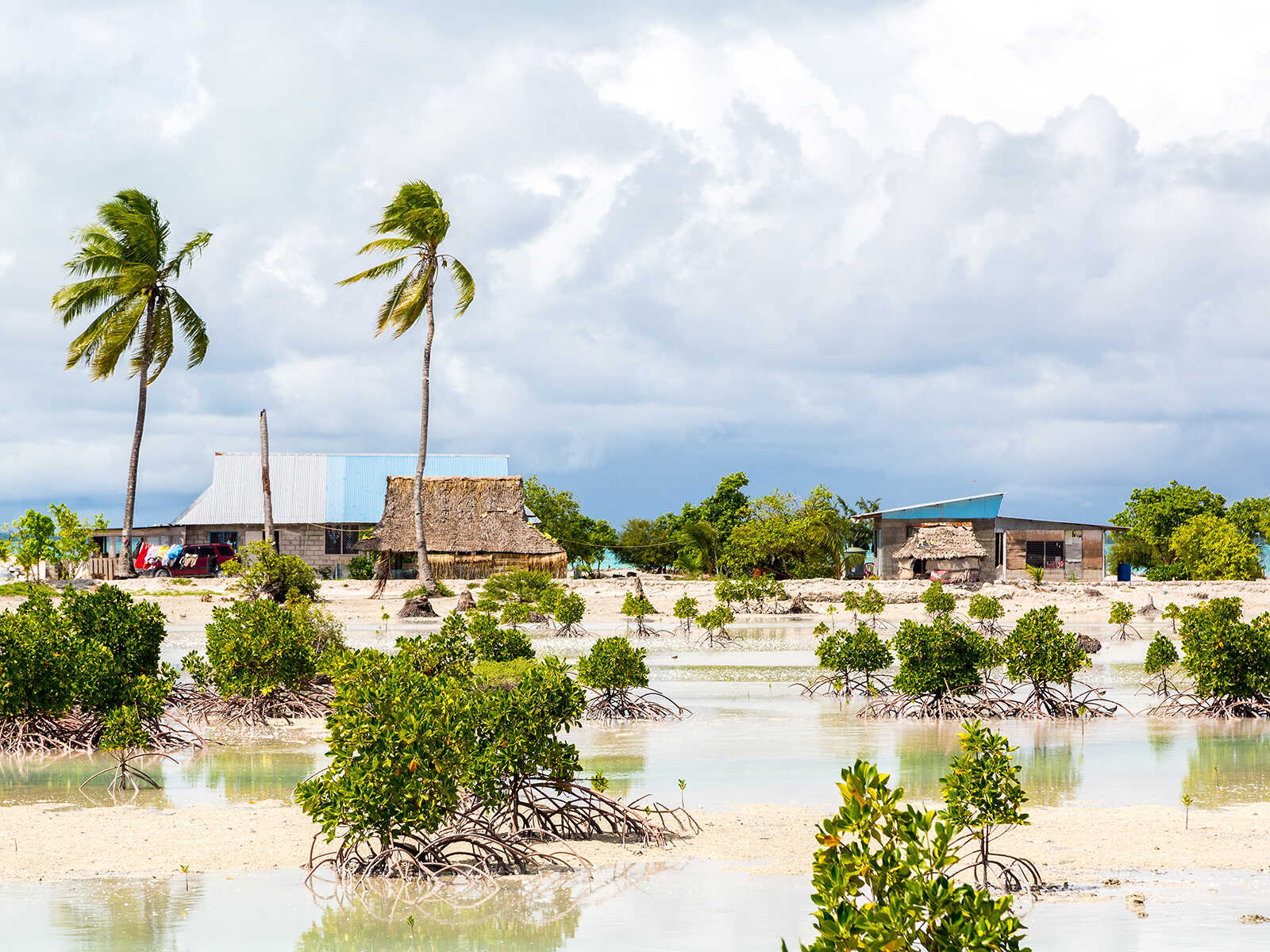
Today,Tarawa is a bustling capital, a vibrant hub of Kiribati life. It is a place where children play among historical relics, where fishermen cast their nets in the same waters where battles raged, and where the past is an undeniable part of the present. The contrast between the serene beauty of the atoll and its violent past creates a uniquely poignant atmosphere.
Safety and Practical Considerations: Navigating Tarawa's Past
- Sun Protection:The equatorial sun is intense. Wear hats, sunglasses, and high-SPF sunscreen.
- Hydration:Carry plenty of water to avoid dehydration.
- Footwear:Sturdy, closed-toe shoes are essential for navigating uneven terrain and potential sharp objects.
- Insect Repellent:Mosquitoes can be prevalent, especially in the evenings.
- Local Customs:Dress modestly, especially when visiting villages. Always be polite and ask for permission before taking photographs of people.
A Journey of Remembrance and Reflection
Exploring the WWII battlefields in Tarawa is a profound and deeply moving experience. It is a journey not just through history, but through the enduring human spirit, courage, and the devastating cost of conflict. As you stand on these hallowed grounds, surrounded by the whispers of the past, you gain a unique perspective on the sacrifices made and the peace that followed, leaving an indelible mark on your understanding of humanity and history.
This remarkable destination offers more than just a glimpse into a wartime past; it provides a powerful reminder of our shared history and the importance of remembrance.