
Budget Travel in Kiribati: Exploring the Islands Affordably
Kiribati, a remote island nation scattered across the vast Pacific, offers an unparalleled adventure for intrepid travelers seeking authentic experiences away from the well-trodden tourist paths. While often perceived as an expensive destination due to its remoteness, exploring Kiribati on a budget is entirely possible with careful planning, local engagement, and a flexible mindset.
Embracing Kiribati's Unique Allure
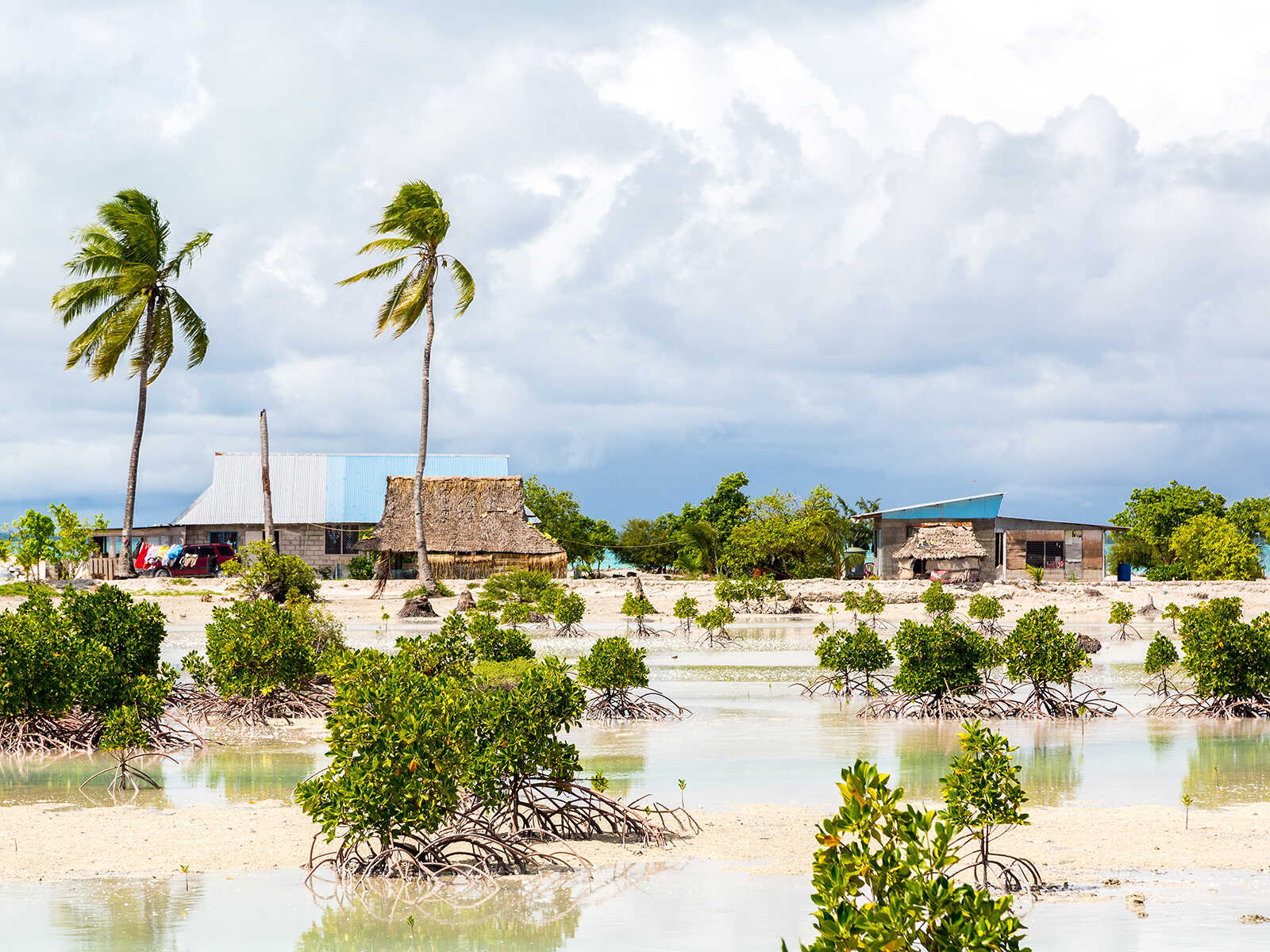
This archipelago nation, comprised of 33 coral atolls and reef islands, is a world unto itself. Famous for its pristine lagoons, vibrant marine life, and a rich, resilient culture, Kiribati presents a profound opportunity to connect with nature and humanity. Budget travel here isn't about sacrificing experience; it's about embracing simplicity, local customs, and the inherent beauty of a place deeply connected to the ocean.
Navigating Affordable Flights and Arrivals
The journey to Kiribati is arguably the most significant cost, but strategic planning can mitigate this. International flights typically arrive at Bonriki International Airport on Tarawa, the capital atoll. While direct routes are limited, consider flights with layovers in Fiji or other regional hubs. Flexibility with travel dates and booking well in advance can often yield more economical options. Remember, reaching such a remote destination is part of the adventure itself.
Budget-Friendly Accommodation: Living Like a Local
Forget luxury resorts; Kiribati's budget accommodation scene revolves around guesthouses, local lodges, and increasingly, homestays. On Tarawa, you'll find the most options, ranging from basic rooms with shared facilities to slightly more private bungalows. These establishments often provide a fantastic opportunity to interact with local families, learn about their daily lives, and gain insights into I-Kiribati culture. Opting for places with self-catering facilities can also significantly reduce food expenses.
Tip:Many guesthouses in Kiribati are family-run. Engaging directly with hosts can lead to valuable local advice, help with transport, and even invitations to cultural events, enhancing your experience while saving money.
Economical Transportation Across the Atolls
Getting Around Tarawa
On Tarawa, the primary modes of budget transport are shared taxis and public buses. These are incredibly affordable and offer a genuine slice of local life. Buses run regularly along the main road connecting the atoll's various islets. For shorter distances, walking or renting a bicycle (if available) are excellent, eco-friendly, and free ways to explore. The compact nature of many islets makes them ideal for on-foot discovery, allowing you to stumble upon hidden gems and local interactions.
Inter-Island Adventures on a Shoestring
Exploring beyond Tarawa can be challenging but incredibly rewarding for the budget traveler. Inter-island travel primarily relies on cargo ships or government ferries, which operate on infrequent schedules and can take days to reach outer islands. Destinations like Tabuaeran or Kiritimati(Christmas Island) require separate, often costly flights or lengthy sea journeys. For the adventurous budget traveler, cargo ships offer the cheapest (though slowest) way to experience true island hopping. This mode of transport requires immense patience and flexibility but provides an unparalleled cultural immersion and a glimpse into the lifeline of the islands.
Savoring Local Flavors Affordably
Dining in Kiribati on a budget is all about embracing local cuisine and self-sufficiency. Restaurants catering to tourists can be pricey, but the real culinary treasures lie in local markets and small eateries. Fresh seafood, especially fish and shellfish, is abundant and inexpensive. Look for stalls selling grilled fish, taro, breadfruit, and fresh coconuts. Purchasing ingredients from local markets and preparing your own meals at your guesthouse is the most budget-friendly option and a fantastic way to experience local produce.
Fun Fact:Coconuts are a staple in Kiribati, used for their water, flesh, and even in cooking. They are readily available and a refreshing, cheap source of hydration and energy.
Don't be shy to try traditional I-Kiribati dishes, often based on fish, taro, and breadfruit, prepared with coconut milk. These meals are not only delicious but also a cornerstone of the local diet and culture.
Free and Low-Cost Activities: Nature's Playground
Kiribati's natural beauty is its greatest asset, and much of it can be enjoyed for free or at minimal cost.
- Beach Exploration:Wander along pristine, often deserted beaches, collecting shells and enjoying breathtaking sunsets.
- Snorkeling and Swimming:Bring your own snorkeling gear to explore the vibrant coral reefs and diverse marine life just offshore. The warm, clear lagoon waters are perfect for swimming.
- Cultural Immersion:Engage with locals. A friendly smile and a few words of I-Kiribati (Te Mauri!) can open doors to fascinating conversations and insights. Attend a local church service for a powerful experience of community and song.
- Historical Sites:On Tarawa, explore remnants of World War II battlefields and bunkers, offering a poignant look into history. While the Parliament Building is a significant landmark, appreciating its architecture from the outside is free.
- Walking and Cycling:Discover the rhythm of island life by simply walking through villages or cycling along the narrow roads, observing daily activities.
Cultural Immersion on a Shoestring
The heart of budget travel in Kiribati lies in its people and culture. Rather than expensive tours, seek out genuine interactions. Attend a localmaneaba(traditional meeting house) if invited, or simply spend time observing daily life. Respect local customs, dress modestly, and always ask permission before taking photos of people. Such respectful engagement costs nothing but offers the richest rewards.
Sustainable and Responsible Budget Travel
Traveling affordably in Kiribati also means traveling responsibly. Due to its low-lying nature, Kiribati is particularly vulnerable to climate change. Minimize your environmental footprint by conserving water and electricity, properly disposing of waste (or taking non-biodegradable items with you), and supporting local businesses directly. Choose reusable water bottles and bags, and avoid contributing to plastic pollution in this fragile marine environment.
Key Tips for the Savvy Budget Traveler
- Be Flexible:Schedules, especially for inter-island transport, can change without notice. Embrace "island time."
- Pack Smart:Bring essentials like reef-safe sunscreen, a hat, insect repellent, a basic first-aid kit, and your own snorkeling gear.
- Embrace Local:Eat where locals eat, stay where locals stay, and use local transport.
- Learn Basic Phrases:"Te Mauri" (hello/greetings) and "Ko Raba" (thank you) go a long way.
- Cash is King:While some places on Tarawa might accept cards, cash (Australian Dollars) is essential, especially on outer islands.
- Stay Hydrated:The tropical heat demands constant hydration. Coconuts are a cheap and natural option.
Conclusion: An Unforgettable Journey Within Reach
Budget travel in Kiribati is not for the faint of heart, but for those willing to step outside their comfort zone and embrace the unexpected, it offers an incredibly profound and rewarding experience. By prioritizing local immersion, utilizing public transport, and enjoying the abundance of natural, free attractions, you can explore the pristine beauty and rich culture of these remote Pacific islands without breaking the bank. Kiribati truly is a destination where the journey is as significant as the destination itself, and an affordable adventure awaits.